U.S. Hormuz Blockade Enters Second Day as Talks Progress
The U.S. military blockade of Iranian ports entered its second day on Tuesday, even as signs emerged of potential progress in peace negotiations between Washington and Tehran.
Shipping Disruptions Across Key Energy Routes
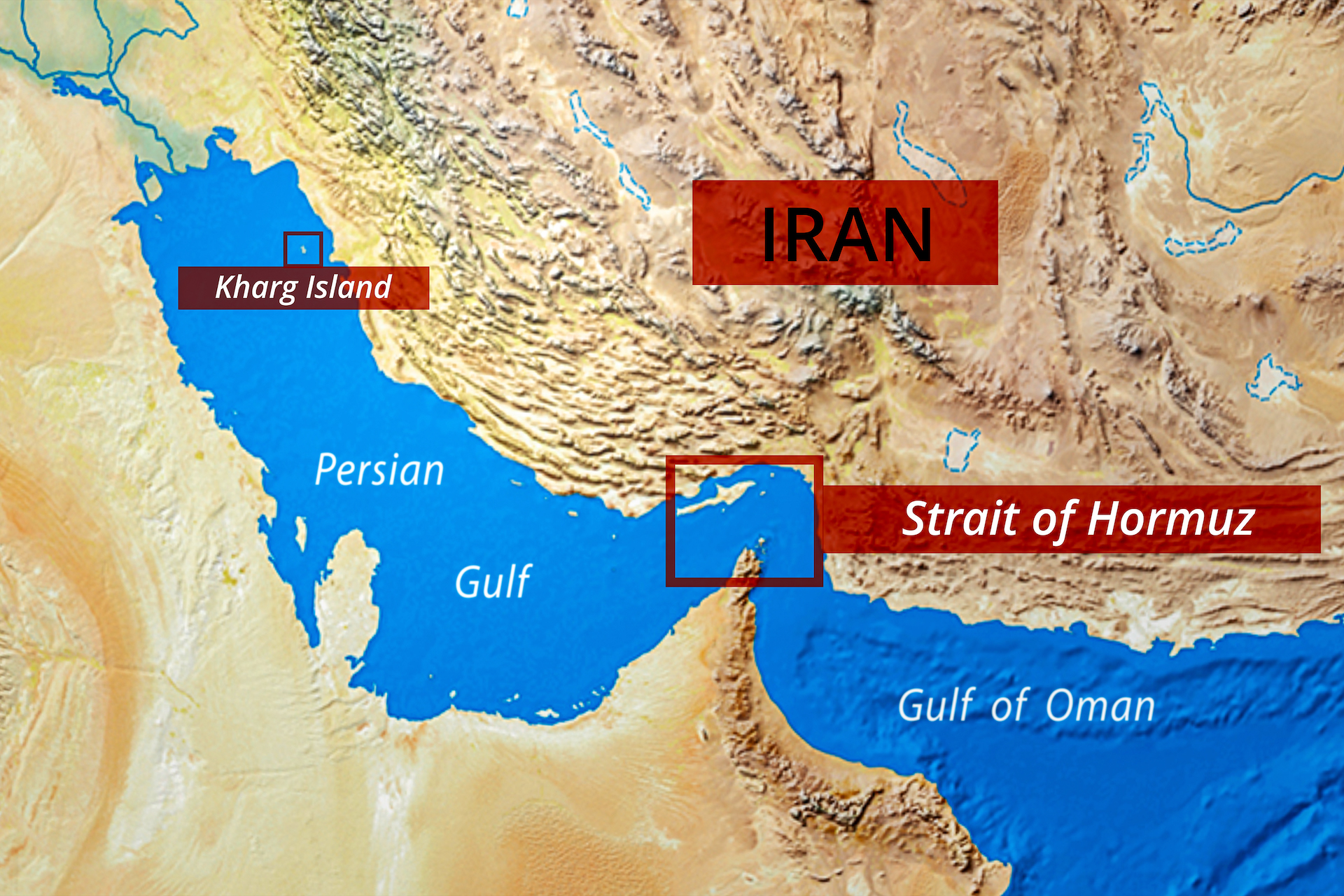
British maritime authorities reported that vessel access remains restricted not only to Iranian ports but also across key regional waterways, including the Persian Gulf, Gulf of Oman, and parts of the Arabian Sea.
Blockade Raises Risks for Global Oil Supply
U.S. President Donald Trump confirmed that the blockade began on Monday after weekend ceasefire talks failed to deliver an immediate agreement.
The move has intensified concerns over global oil supply, as the Strait of Hormuz—through which roughly 20% of the world’s oil flows—faces further disruption. Since the conflict escalated in late February, the strait has become a critical flashpoint, pushing oil prices higher and weighing on the global economic outlook.
Supply Chains Under Pressure
According to reports citing supply chain experts, the blockade could disrupt the flow of essential goods, including oil, fertilizers, and food, adding pressure to already elevated global prices.
The Associated Press also noted that the U.S. has deployed 16 warships to the region, though none are currently positioned directly in the Persian Gulf.
Iran and Regional Tensions Escalate
Iran has condemned the blockade as an “act of piracy” and warned that it could retaliate by targeting other ports across the Persian Gulf.
Meanwhile, Saudi Arabia is reportedly urging the United States to reconsider the blockade, concerned that escalating tensions could threaten other major global shipping routes.
Diplomatic Efforts Show Signs of Progress
Despite rising tensions, diplomatic engagement appears to be gaining momentum. The U.S. and Iran continue to communicate, with reports indicating gradual progress toward a potential long-term ceasefire agreement.
President Donald Trump stated that Iranian officials have reached out to negotiate, reiterating that Iran will not be allowed to develop nuclear weapons. Washington has reportedly demanded a 20-year halt to uranium enrichment.
Pakistan Emerges as Key Mediator
Pakistan has taken on a central role in mediation efforts, offering to host a second round of talks before the current two-week ceasefire expires. Initial discussions were held in Islamabad last weekend.
U.S. Vice President JD Vance said recent talks included “productive conversations,” helping clarify both U.S. demands and Iran’s position.
U.S. Sets Conditions for Ceasefire Deal
According to Vance, reopening the Strait of Hormuz and scaling back Iran’s nuclear activities remain top priorities for Washington.
He emphasized that a broader agreement is possible but depends on Iran taking further steps toward de-escalation.
Regional Diplomacy Expands Beyond Iran
In parallel, Israel and Lebanon are set to begin direct peace talks in Washington. Ongoing Israeli strikes targeting Hezbollah-linked positions in Lebanon remain a key obstacle to sustained regional stability.
U.S. Secretary of State Marco Rubio is expected to participate in these negotiations.
Oil and Dollar Ease on De-escalation Hopes
Oil prices declined slightly as markets reacted to growing optimism around a potential diplomatic resolution. Brent crude fell 0.9% to $98.47 per barrel, while U.S. West Texas Intermediate dropped 2.0% to $97.07.
The U.S. dollar also weakened modestly, reflecting shifting investor sentiment.
Analysts noted that markets are increasingly positioning for a de-escalation scenario, with early signs of renewed negotiations putting pressure on the dollar.