Trump Signals Possible Iran Talks as Ceasefire Holds
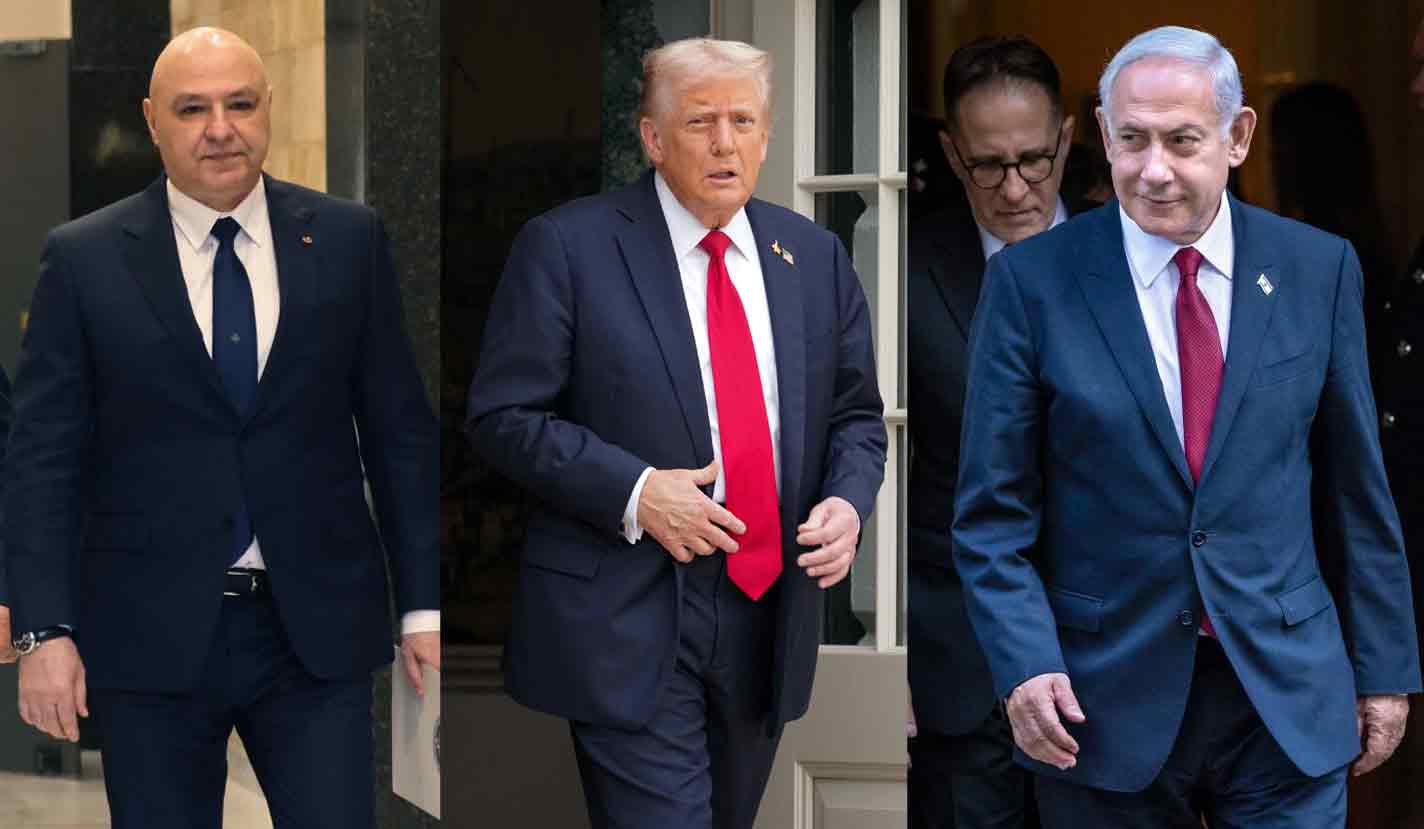
U.S. President Donald Trump has indicated that negotiations between Washington and Tehran could resume this weekend, as a fragile ceasefire between Israel and Lebanon appeared to hold on Friday.
U.S. and Iran Close to Potential Agreement
Trump stated that the United States and Iran are “very close” to reaching a deal. He added that Iran has agreed to refrain from developing nuclear weapons for more than 20 years, addressing one of the main concerns behind the conflict that began with joint U.S. and Israeli strikes in late February.
Sanctions Relief Remains Key Demand
In exchange for concessions, Iran has called for the removal of international sanctions. Trump also suggested that the current ceasefire could be extended if negotiations continue to make progress.
Israel-Lebanon Ceasefire Eases Negotiation Tensions
A newly agreed 10-day ceasefire between Israel and Lebanon could help remove a major obstacle in U.S.-Iran talks. Despite earlier tensions, both sides confirmed the truce, which began Thursday evening.
However, uncertainty remains as Hezbollah has not fully committed to the agreement, stating that its actions will depend on how the situation develops. Prior to the ceasefire, both Israel and Hezbollah exchanged strikes.
Shift Toward Temporary Deal Framework
According to reports, U.S. and Iranian negotiators may be moving away from a comprehensive agreement and instead focusing on a temporary framework designed to prevent further escalation of the conflict.
Oil Prices Stabilize Below $100
Oil prices remained below $100 per barrel, as markets reacted to the possibility of easing tensions. Earlier in the conflict, crude prices surged to as high as $120, compared to pre-war levels near $70.
Strait of Hormuz Remains Critical Risk Factor
Much of the oil price volatility has been driven by disruptions in the Strait of Hormuz, a crucial global shipping route through which roughly 20% of the world’s oil supply passes.
Analysts estimate that around 13 million barrels per day have been affected by restrictions in the region, raising concerns about global supply shortages.
Inflation and Global Economic Risks in Focus
The spike in energy prices has heightened fears of rising inflation worldwide, potentially impacting central bank policies, interest rates, and broader economic growth.
At the same time, both the International Energy Agency and OPEC have warned of weakening demand in the months ahead, adding further uncertainty to the outlook.
Global Efforts to Stabilize the Region
France and the United Kingdom are set to lead a meeting involving around 40 countries aimed at supporting efforts to secure safe passage through the Strait of Hormuz.
Meanwhile, the United States has intensified its blockade of Iran, targeting ports and coastal areas while maintaining that restrictions do not apply directly to the strait itself.