Asian stock markets traded mixed on Wednesday as investors remained cautious ahead of a closely watched meeting between U.S. President Donald Trump and Chinese President Xi Jinping.
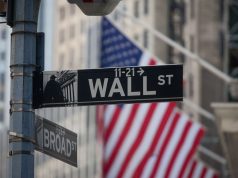
U.S. stock index futures were also little changed during Asian trading hours after Wall Street finished the previous session with a mixed performance.
China Stocks Fall Ahead of Trump-Xi Meeting
Chinese and Hong Kong equities moved lower as investors waited for further details from the upcoming Trump-Xi talks.
The Shanghai Composite slipped around 0.4%, while the CSI 300 declined approximately 0.6%.
Hong Kong’s Hang Seng Index fell about 1%, while the technology-focused Hang Seng TECH Index dropped nearly 1.5%.
Market participants remain focused on whether the meeting can deliver meaningful progress on trade, artificial intelligence, supply chains and other major issues affecting U.S.-China relations.
Trump and Xi Prepare for High-Level Talks
Xi is visiting the United States from September 23 to September 25 following an invitation from Trump.
The two leaders are expected to meet on Thursday.
Officials from both countries have offered relatively positive assessments of preparatory discussions, including talks related to trade and AI safety.
However, investors remain cautious over whether the summit will result in significant agreements.
China’s ambassador to the United States also added to market uncertainty after saying that Beijing maintains firm “red lines” on issues including Taiwan and human rights.
South Korean Stocks Rise as Samsung Jumps
South Korea was one of the stronger markets in the region.
The KOSPI gained around 0.5%, supported by a sharp rise in Samsung Electronics shares.
Samsung climbed close to 3%, helping lift the broader South Korean equity market.
The move contrasted with the weakness seen across Chinese and Hong Kong stocks.
Japanese Markets Remain Closed
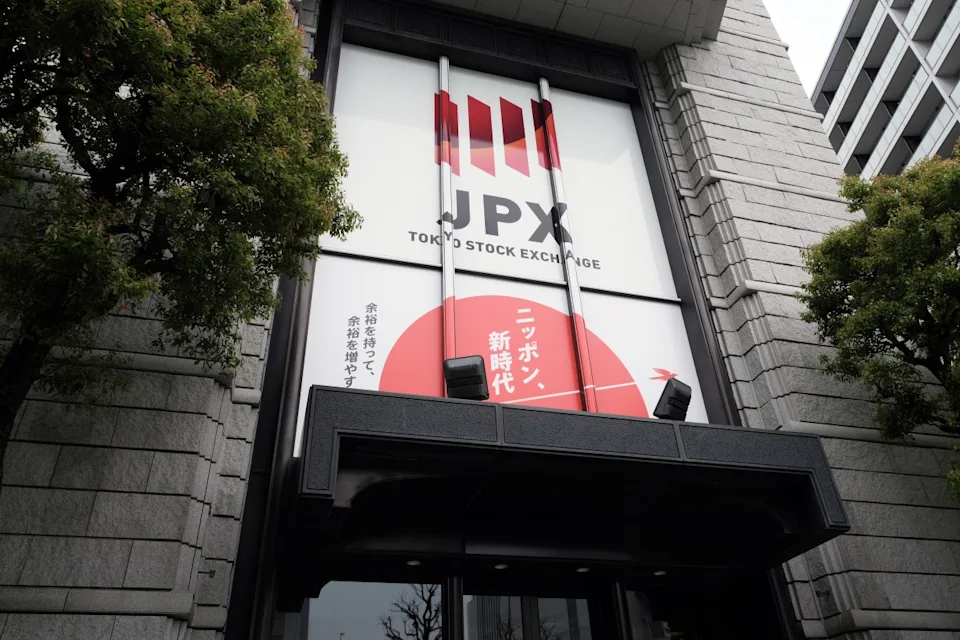
Japanese cash markets were closed on Wednesday.
However, Nikkei 225 futures edged approximately 0.2% lower, suggesting a cautious tone ahead of the next trading session.
Investors across the region continue to assess global economic risks, interest rate expectations and geopolitical developments.
Oil Prices Remain Important for Asian Markets
Energy markets were another major factor influencing Asian equities.
Brent crude traded close to $99 per barrel during early Wednesday trading.
Oil prices have eased as markets responded to improved Gulf supply conditions and growing hopes for diplomatic progress between the United States and Iran.
Lower oil prices can help reduce inflationary pressure, particularly for Asian economies that rely heavily on energy imports.
U.S.-Iran Diplomacy Raises Hopes
Trump said on Tuesday that U.S. officials had held what he described as a productive three-hour meeting with Iranian representatives in New York.
The comments increased hopes that negotiations could eventually help reduce tensions and improve shipping conditions around the Strait of Hormuz.
However, geopolitical risks remain elevated, and Trump also warned of severe consequences if an agreement is not reached.
As a result, energy markets remain vulnerable to sharp swings based on new developments from the Middle East.
Lower Oil Prices Ease Inflation Concerns
The recent decline in crude prices has helped reduce some concerns over renewed inflation.
Lower energy costs could ease pressure on businesses and consumers while also affecting expectations for global monetary policy.
However, uncertainty surrounding the Middle East means oil prices could remain volatile.
Any renewed disruption to energy supplies could quickly reverse recent declines.
Australia, Singapore and India Trade Higher
Elsewhere in the region, market movements were relatively modest.
Australia’s S&P/ASX 200 traded close to flat, while Singapore’s Straits Times Index gained around 0.1%.
India’s Nifty 50 performed more strongly, rising approximately 0.5% by midday trading.
Overall, Asian stocks remained cautious ahead of the Trump-Xi meeting, with investors closely watching developments involving U.S.-China relations, oil prices and geopolitical risks.
The outcome of the summit could influence sentiment across equities, currencies and commodities in the coming sessions.