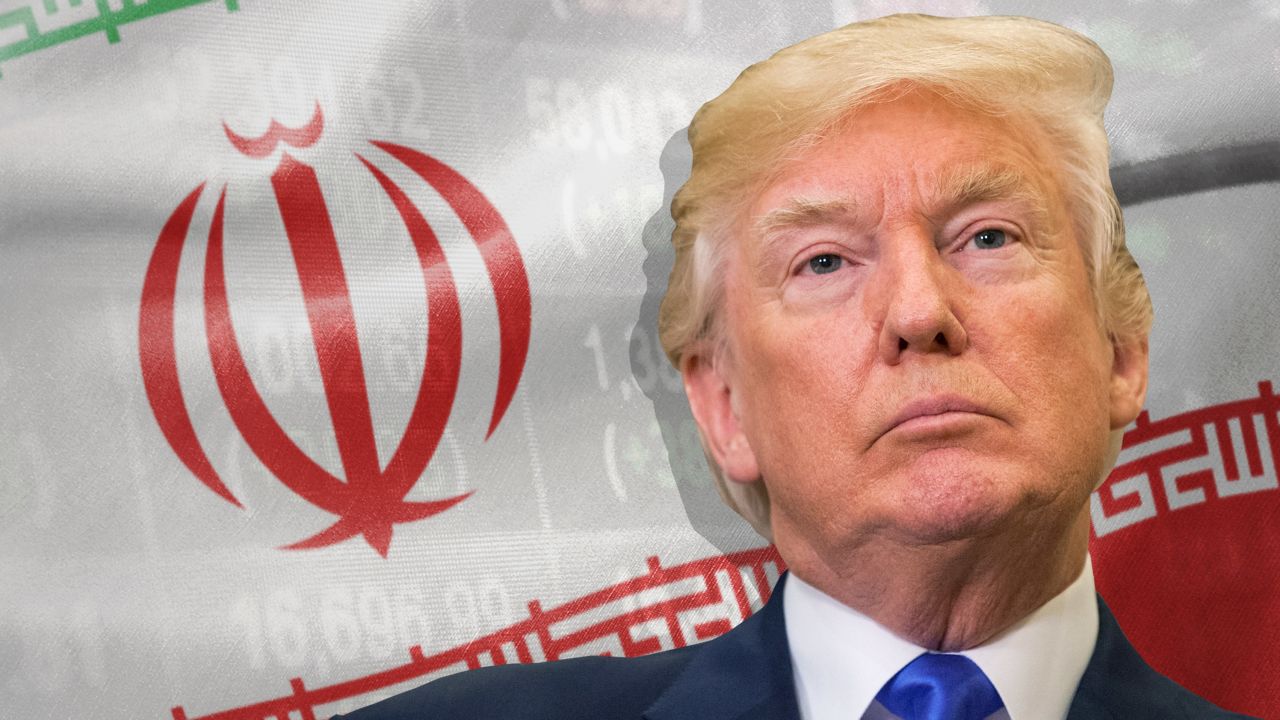
U.S. President Donald Trump said progress was being made toward a potential agreement with Iran after American and Iranian officials held talks during the United Nations General Assembly in New York.
Trump described the discussions as positive and suggested that Tehran remained interested in reaching an agreement with Washington. Reuters reported that diplomatic efforts continued throughout Tuesday as mediators worked between the two sides.
Trump Points to Momentum in Iran Negotiations
Speaking at the United Nations, Trump said he believed there was growing momentum toward an agreement with Iran.
He later said U.S. officials had held what he described as a “very good” three-hour meeting with Iranian representatives.
U.S. envoy Steve Witkoff separately said lengthy discussions had taken place through mediators during the UN gathering.
The talks represented an important diplomatic development after months of military confrontation between Washington and Tehran.
Strait of Hormuz Remains Central to Talks
One of the most important issues remains the Strait of Hormuz, a strategic waterway that carried around one-fifth of global oil and gas shipments before the conflict.
Iran has indicated that it could reopen the Strait within days if the United States reduces military pressure and lifts its blockade of Iranian ports.
A senior Iranian official told Reuters that Tehran had already submitted a proposal through mediators and was prepared to pursue further diplomacy in New York.
However, major differences between the two countries remain unresolved.
Iran Seeks Broader De-Escalation
Tehran has called for concrete steps from Washington before a wider agreement can be reached.
Iranian officials have said the United States must demonstrate that it is serious about diplomacy and agree on a framework for moving negotiations forward.
Washington, meanwhile, continues to insist that Iran must not obtain a nuclear weapon.
Trump repeated that position during his UN appearances on Tuesday while also suggesting that diplomatic discussions could produce a settlement.
Trump Combines Diplomacy With Tough Rhetoric
The diplomatic signals came alongside much stronger rhetoric from Trump during his address to the United Nations.
Trump warned that Iran could face severe military consequences if negotiations failed.
Iran’s armed forces rejected those comments and said the country remained prepared to respond to further military action.
Despite the heated public statements, diplomatic contacts continued behind the scenes.
Witkoff said mediators moved between the U.S. and Iranian sides throughout the day and expressed hope that the discussions would prove constructive.
Iran Conflict Approaches Seven Months
The wider conflict has lasted nearly seven months and has affected several countries across the Middle East.
Fighting has also influenced global energy markets, particularly because of disruption to shipping through the Strait of Hormuz.
Regional tensions have expanded further as Iran-aligned Houthi forces in Yemen have increased pressure on Saudi Arabia and threatened oil export routes toward the Red Sea.
The situation has therefore become an important issue not only for regional security but also for global oil supply.
Oil Markets React to Diplomatic Progress
Oil prices have responded sharply to changing expectations surrounding U.S.-Iran negotiations.
Improving prospects for diplomacy have reduced some fears of prolonged disruption to Middle Eastern energy supplies.
The possibility of reopening the Strait of Hormuz has been particularly important for crude markets because the waterway remains one of the world’s most critical energy shipping routes.
Any confirmed agreement that restores normal tanker traffic could significantly alter expectations for global oil supply.
Trump Says Deal Could Follow Midterm Elections
Trump also suggested that the timing of any agreement may depend on the U.S. political calendar.
He said he believed Washington could reach a deal with Iran after the November 3 midterm elections, while acknowledging that an agreement could potentially come sooner.
For now, diplomatic efforts remain active, but no final agreement has been announced.
Markets will be watching for further negotiations, developments surrounding the Strait of Hormuz and any indication that Washington and Tehran are moving closer to formally ending the conflict.