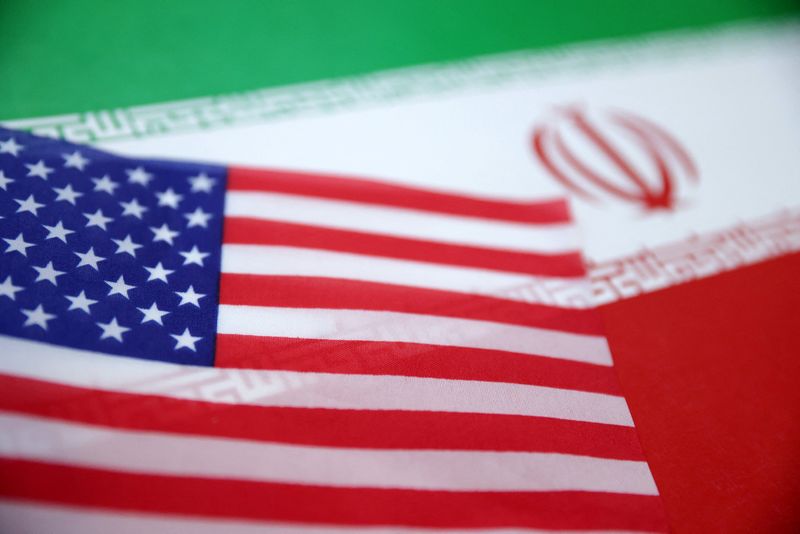
Iran has reportedly proposed reopening the Strait of Hormuz within seven days if the United States begins reducing military pressure, raising hopes of a possible diplomatic breakthrough.
Kyodo News reported the proposal on Tuesday, citing a senior Iranian government official. Reuters separately reported that Tehran had expressed readiness to reopen the strategically important waterway if Washington eased military pressure and lifted its blockade on Iranian ports.
Iran Links Hormuz Reopening to US De-Escalation
According to the reports, Iran wants Washington to take initial steps toward military de-escalation before fully reopening the Strait of Hormuz.
The proposal has reportedly been communicated to the United States through intermediaries. Tehran is also seeking negotiations aimed at reaching a longer-term resolution to the conflict.
The Strait of Hormuz has faced severe disruption since the conflict involving Iran, the United States and Israel intensified earlier this year.
The waterway is one of the world’s most important energy transit routes, making any potential reopening highly significant for global oil and gas markets.
UN General Assembly Raises Diplomatic Hopes
Attention has now shifted to the United Nations General Assembly in New York, where Iranian officials are expected to hold discussions with countries acting as intermediaries.
Iran’s delegation has been given authority to pursue diplomatic negotiations while President Masoud Pezeshkian attends the gathering.
However, a direct meeting between Pezeshkian and U.S. President Donald Trump was not expected. Trump had previously indicated that he was open to direct discussions with the Iranian president.
Diplomatic progress therefore remains uncertain despite the renewed activity surrounding the UN gathering.
Brent Oil Falls Below $100
Oil markets reacted quickly to reports of a possible Strait of Hormuz reopening.
Brent crude fell below $100 per barrel as traders reassessed the risk of prolonged disruption to Middle Eastern energy supplies. Reuters also reported improving Gulf supply prospects alongside the diplomatic developments.
Persistently high energy prices have raised concerns about renewed inflation and the possibility that central banks could maintain tighter monetary policy for longer.
Any sustained reopening of Hormuz could ease some of those pressures by improving the outlook for global energy flows.
Middle East Tensions Remain High
Despite the diplomatic signals, tensions between Washington and Tehran remain elevated.
Iran’s Islamic Revolutionary Guard Corps warned this week that further U.S. escalation could lead to changes in its military strategy and selection of targets.
At the same time, fighting involving Iran-aligned Houthi forces and Saudi-backed forces in Yemen has added another layer of uncertainty to regional energy security.
The Bab el-Mandeb Strait has become increasingly important because it connects the Red Sea with the Gulf of Aden and provides an alternative route for some regional energy shipments.
Alternative Oil Routes Provide Some Relief
Middle Eastern oil producers have increasingly relied on alternative transportation methods to maintain exports despite disruptions around Hormuz.
These include ship-to-ship transfers near Oman and other logistical workarounds. Reuters reported that such transfers increased significantly during September as regional producers sought to keep crude moving.
These alternatives have helped prevent a larger supply shock, although they remain significantly more expensive than normal shipping routes.
The possibility of reopening the Strait of Hormuz could therefore provide substantial relief to energy markets if diplomatic negotiations produce a lasting agreement.
However, uncertainty remains high. Iran’s semi-official Fars News Agency subsequently disputed reports that Tehran had formally offered to reopen the Strait within seven days, leaving the exact status of the proposal unclear.