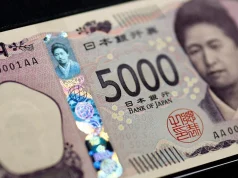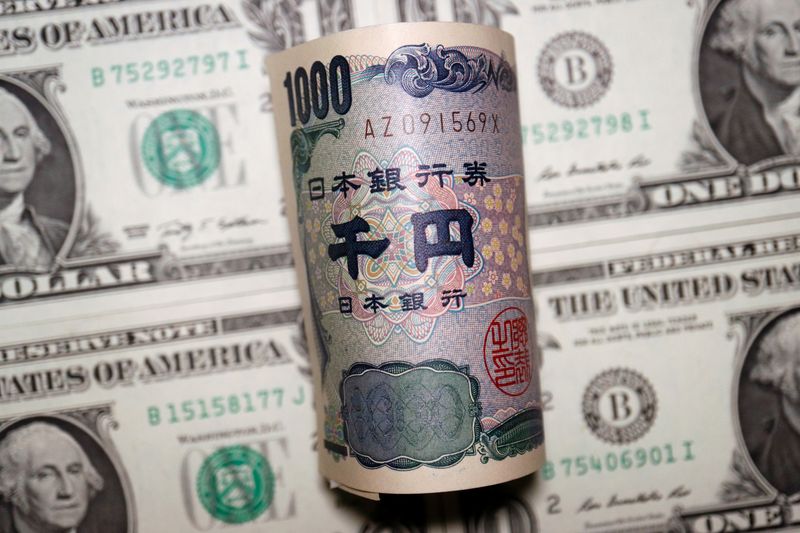
The Japanese yen fell sharply on Friday, dropping to its weakest level since September 3 after the Bank of Japan raised interest rates but maintained a relatively cautious policy outlook.
The yen declined around 0.8% to trade near 157.145 against the U.S. dollar. Currency traders sold the yen aggressively after the widely expected BOJ rate hike failed to deliver a sufficiently hawkish signal.
The move puts the yen on track for a weekly loss of more than 2%. That would mark its weakest weekly performance since October last year.
Yen Falls in “Buy the Rumor, Sell the Fact” Reaction
The market reaction reflected a classic “buy the rumor, sell the fact” pattern.
Investors had already positioned for a Bank of Japan rate increase ahead of the meeting. Once the decision was confirmed, attention quickly shifted toward the central bank’s guidance on future tightening.
That guidance appeared less aggressive than some traders had expected, triggering profit-taking and renewed selling pressure on the yen.
Meanwhile, the U.S. dollar remained close to a seven-week high. The greenback was heading for a weekly gain of around 1.2%, which would represent its strongest weekly advance since May 2026.
BOJ Raises Rates to 31-Year High
The Bank of Japan increased its benchmark interest rate by 25 basis points to 1.25%.
The decision, approved by a 7-2 vote, pushed Japanese borrowing costs to their highest level in 31 years.
However, the rate hike failed to strengthen the yen. Instead, investors focused on the two policymakers who voted to keep interest rates unchanged.
Their dissent reduced the hawkish impact of the decision and weakened expectations that the BOJ would rapidly follow the move with additional rate increases.
Japan Inflation Data Supports Cautious BOJ Approach
Fresh inflation figures released earlier on Friday also gave the Bank of Japan little reason to accelerate monetary tightening.
Japan’s core consumer price index increased 1.7% year-on-year in August. That was slightly below the 1.8% increase expected by economists.
The softer-than-expected inflation reading reinforced expectations that the BOJ could continue raising interest rates gradually rather than adopting a more aggressive tightening cycle.
Some analysts also noted that changes to the BOJ’s policy board could influence future decisions. Two of its more hawkish members are expected to leave next summer, potentially shifting the balance of the board toward a more cautious stance.
Ueda Signals Gradual Monetary Tightening
BOJ Governor Kazuo Ueda emphasized during his post-meeting press conference that policymakers are acting early to prevent the need for more dramatic measures later.
However, Ueda also indicated that the central bank is not preparing for an aggressive series of rate increases.
That message further reduced expectations for rapid tightening and placed additional pressure on the yen.
FX strategist Frantisek Taborsky of ING also highlighted the significance of the two dissenting votes. He suggested that disagreement within the board could make it more difficult to secure support for another rate increase later this year.
US Dollar Strengthens on Hawkish Fed Outlook
While the yen weakened, the U.S. dollar continued to perform strongly across global currency markets.
The U.S. Dollar Index traded around 100.23, remaining close to the multi-week highs reached on Thursday.
Dollar strength has also been supported by a more hawkish Federal Reserve outlook.
The Fed raised interest rates by 25 basis points on Wednesday, bringing its target range to 3.75%-4.00%. The decision was approved unanimously by policymakers.
Oil Prices Add to US Inflation Concerns
Expectations for further U.S. monetary tightening have also increased as energy prices remain elevated.
According to CME FedWatch pricing, markets were assigning roughly a 53% probability to another 25-basis-point Federal Reserve rate hike before the end of the year.
Persistent inflation pressures linked to higher energy costs remain an important factor. Brent crude oil has continued trading above $104 per barrel, adding to concerns that inflation could remain elevated.
The combination of a cautious BOJ, a relatively hawkish Federal Reserve and high oil prices has therefore widened the policy outlook between Japan and the United States. That divergence continues to provide support for USD/JPY while keeping the Japanese yen under pressure.