The U.S. manufacturing sector showed stronger-than-expected growth, according to the latest Manufacturing Purchasing Managers Index (PMI) from the Institute for Supply Management (ISM). The index climbed to 55.5, exceeding market expectations and signaling continued expansion in manufacturing activity.
The reading surpassed the forecast of 54.5 and improved from the previous month’s 54.5. This increase suggests that U.S. manufacturing activity is gaining momentum, offering an encouraging signal for the broader economic outlook.
U.S. Manufacturing PMI Signals Stronger Economic Activity
The latest ISM Manufacturing PMI reading highlights improving conditions across the manufacturing sector. A higher index generally reflects stronger business activity and may indicate positive developments in production, new orders, and employment.
Moreover, the improvement suggests that American manufacturers are maintaining growth despite ongoing economic uncertainty.
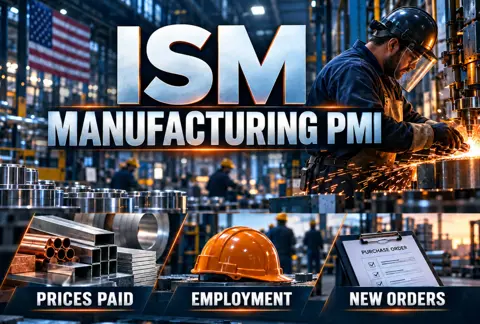
The ISM Manufacturing PMI is a closely watched economic indicator that measures activity across several important areas. These include new orders, production, employment, supplier deliveries, and inventories.
A reading above 50 indicates expansion, while a figure below 50 signals contraction. Therefore, the latest result of 55.5 points to continued growth in the manufacturing sector.
What the Stronger PMI Means for the U.S. Dollar
The better-than-expected manufacturing data could provide support for the U.S. dollar, as investors often interpret stronger economic indicators as positive signals for the economy.
Additionally, resilient manufacturing activity may influence expectations surrounding Federal Reserve monetary policy. Stronger economic performance could reduce pressure for interest rate cuts, depending on inflation trends and other economic indicators.
However, the dollar’s response will also depend on broader market conditions, Treasury yields, and expectations for future monetary policy decisions.
Inflation Risks and Supply Chain Challenges Remain
Despite the encouraging PMI figures, several challenges could affect the manufacturing sector’s future performance.
Supply chain disruptions, rising production costs, and persistent inflationary pressures remain potential obstacles. These factors could influence manufacturers’ operating expenses, production capacity, and pricing decisions.
Consequently, investors and policymakers will closely monitor upcoming economic reports to determine whether the latest improvement represents a sustainable trend.
U.S. Manufacturing Outlook Improves
Overall, the latest ISM Manufacturing PMI reading offers a positive signal for the U.S. economy. The increase to 55.5, compared with expectations of 54.5, highlights stronger-than-anticipated manufacturing activity.
If this momentum continues, the sector could provide additional support for economic growth and business confidence.
Nevertheless, future PMI releases, employment figures, and inflation data will remain essential for evaluating the strength and sustainability of the U.S. manufacturing recovery.