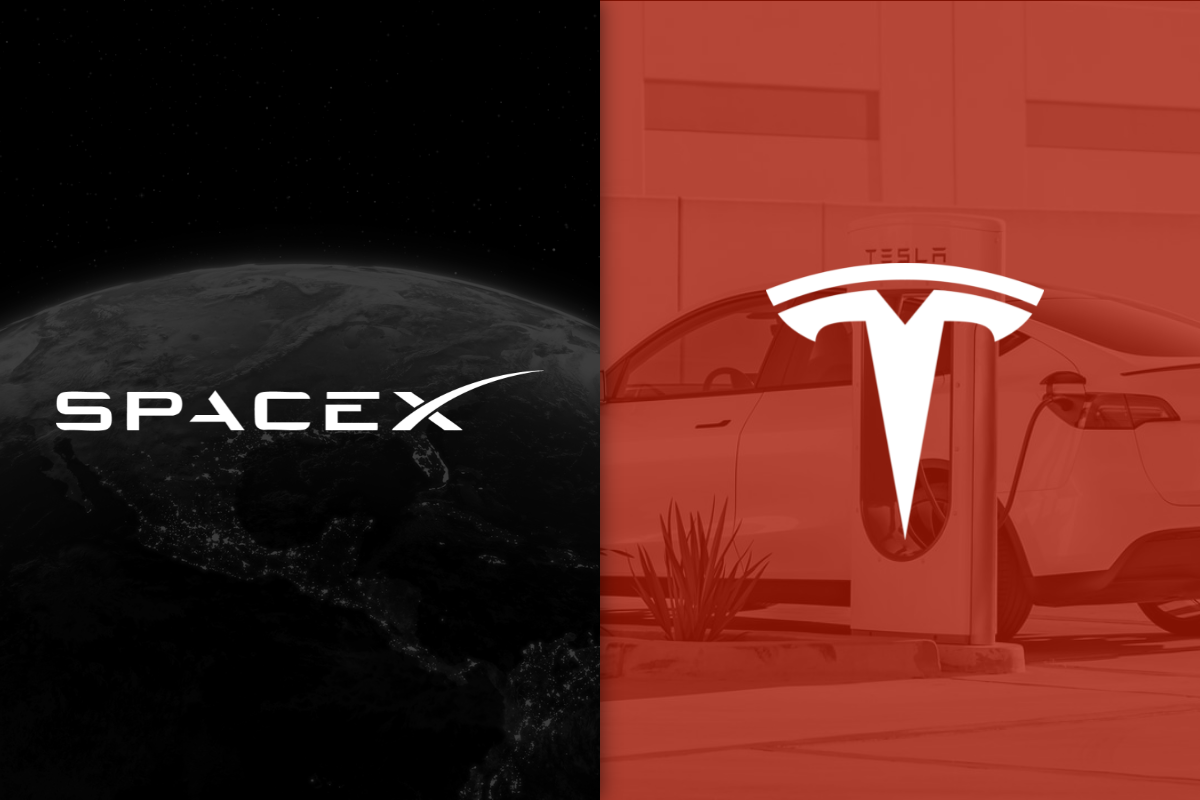
Elon Musk could unveil a potential Tesla-SpaceX merger before December 2026, according to Barclays analysts. The proposed combination would bring two of Musk’s most valuable businesses under one corporate structure, potentially strengthening his control over their expanding artificial intelligence operations.
Barclays analyst Dan Levy believes SpaceX would likely acquire Tesla through an all-stock transaction. Such an arrangement could simplify decision-making, accelerate AI development and give Musk greater influence over the combined company.
However, the possibility remains speculative, with no official merger agreement announced.
Tesla-SpaceX Merger Could Be Announced Before December
Barclays sees a potential announcement ahead of Tesla’s 2026 annual shareholder meeting, which is expected to take place no later than December 6.
Nevertheless, the timing could create complications.
According to Levy, announcing a transaction in late October or early November might leave insufficient time to secure shareholder approval during the annual meeting.
Alternatively, the companies could pursue a separate announcement within the next six to 12 months.
Speculation about a possible merger has intensified following Musk’s recent comments highlighting the growing technological overlap between Tesla and SpaceX.
His remarks at the All-In Summit also encouraged expectations that the two businesses could eventually combine.
Barclays believes these developments have made a potential merger an increasingly prominent scenario among market observers.
SpaceX Could Acquire Tesla in a $3.6 Trillion Combination
Under Barclays’ proposed structure, SpaceX would acquire Tesla using its own shares rather than cash.
Tesla investors would receive SpaceX stock in exchange for their existing holdings, potentially including a takeover premium.
Based on the valuations referenced in the analysis, SpaceX is worth approximately $2.1 trillion, while Tesla carries a market capitalization of around $1.5 trillion.
Together, the companies would have an estimated combined valuation of roughly $3.6 trillion before accounting for transaction adjustments.
However, the proposed ownership structure could prove particularly significant for Elon Musk.
Barclays estimates that Musk currently owns approximately 48% of SpaceX while controlling around 82% of its voting power. This voting advantage comes from Class B shares, which carry ten times the voting rights of ordinary Class A shares.
Meanwhile, Musk’s Tesla ownership stands near 20%. Barclays estimates that the figure could decline toward 17% after accounting for its assumed tax obligations on shares scheduled to vest in 2028.
If SpaceX acquired Tesla under the proposed arrangement, Musk could retain approximately 37% economic ownership of the combined business.
More importantly, Barclays projects that he could control roughly 56% of its voting rights.
This would provide Musk with majority voting control over an integrated technology and aerospace business.
Greater Control Over AI and Robotics Could Drive the Merger
Increasing Musk’s influence over Tesla’s artificial intelligence strategy could be a central motivation behind a potential merger.
Musk has previously indicated that he would prefer to maintain approximately 25% ownership of Tesla to exercise sufficient influence over its AI and robotics development.
A SpaceX-led acquisition could potentially achieve that objective through a different ownership structure.
However, Barclays believes the strategic benefits extend beyond corporate governance.
Combining Tesla and SpaceX could create a more integrated artificial intelligence ecosystem, linking Tesla’s physical AI technologies with SpaceX’s broader computing and infrastructure ambitions.
Tesla’s Robotaxi business and Optimus humanoid robots could operate alongside AI systems such as Grok and Macrohard.
This integration could allow the companies to coordinate research, share technology and accelerate the development of new commercial applications.
Terafab AI Chip Project Emerges as a Major Merger Catalyst
Another important factor behind the proposed Tesla-SpaceX merger is Terafab, Musk’s ambitious semiconductor manufacturing initiative.
The project aims to expand AI computing capabilities and reduce dependence on external chip suppliers.
Tesla is developing a research facility in Austin, Texas, with an estimated investment of $3 billion.
A subsequent production facility could require approximately $16.8 billion in additional spending, potentially financed through cooperation between Tesla and SpaceX.
However, operating the project across separate corporate structures creates additional administrative challenges.
Major investment decisions would require approval from both companies’ boards, potentially slowing development.
A merger could remove some of these obstacles by establishing a unified decision-making framework.
Barclays considers this potential improvement in operational efficiency an important argument supporting the proposed transaction.
Starlink, Optimus and Tesla Energy Offer Additional Synergies
Beyond semiconductor manufacturing, several existing technologies could benefit from closer integration.
SpaceX’s Starlink satellite network could provide advanced connectivity services for Tesla vehicles and autonomous systems.
Meanwhile, Grok AI technology could potentially be incorporated into Optimus humanoid robots, expanding their capabilities and applications.
Tesla’s energy storage products could also support SpaceX’s future computing infrastructure, including proposed data centers operating in space.
Another example of technological cooperation involves Tesla’s next-generation Roadster.
The sports car’s unveiling is scheduled for October 15, with Barclays highlighting its proposed use of SpaceX-developed cold-gas thrusters.
Together, these projects illustrate how the companies could share technological resources across artificial intelligence, transportation, energy and aerospace.
Financial Challenges Could Complicate a Tesla-SpaceX Deal
Despite the potential strategic advantages, the financial justification for a merger remains less straightforward.
Bloomberg consensus projections referenced by Barclays suggest that Tesla could generate approximately $12 billion in free cash flow by 2030.
SpaceX, meanwhile, is projected to consume around $17 billion in free cash flow during the same period.
These estimates highlight the substantial capital requirements associated with Musk’s long-term expansion plans.
A combined business could potentially access financing more efficiently and allocate capital across projects more flexibly.
However, integrating two companies with significant investment needs would not automatically improve their financial position.
The transaction could also increase pressure on the combined company’s balance sheet, particularly if AI infrastructure development requires sustained capital expenditure.
As a result, investors would need to assess whether operational efficiencies and long-term growth opportunities justify the financial risks.
Shareholder Approval and Regulatory Scrutiny Remain Major Obstacles
Any proposed merger between Tesla and SpaceX would face several important approval requirements.
Both companies’ boards and shareholders would need to authorize the transaction.
Regulatory authorities would also likely examine the deal for potential competition concerns.
Furthermore, SpaceX’s extensive relationships with the US government could introduce additional national-security considerations.
Tesla’s significant manufacturing and commercial exposure to China might further complicate the regulatory assessment.
These factors could delay a transaction or affect its proposed structure, even if both companies ultimately support a combination.
Therefore, an announcement would represent only the beginning of a potentially complex approval process.
Could a Tesla-SpaceX Merger Reshape Musk’s AI Empire?
A potential Tesla-SpaceX merger could represent one of the most significant corporate combinations in the technology sector.
By bringing together autonomous vehicles, humanoid robotics, satellite communications, semiconductor manufacturing and advanced AI systems, Musk could create a highly integrated technology business.
For Barclays, the central attraction is not simply the prospect of cost savings. Instead, the opportunity lies in accelerating artificial intelligence development while consolidating corporate control.
Nevertheless, important uncertainties remain surrounding valuation, financing, shareholder approval and regulatory oversight.
Whether an announcement arrives before December or takes another six to 12 months, investors will be watching closely for concrete developments.
Until a formal agreement emerges, the proposed Tesla-SpaceX merger remains a potentially transformative scenario rather than a confirmed corporate transaction.