Morgan Stanley said Tesla needs to show clearer signs that its Robotaxi business is scaling before investor confidence can improve further.
In a note to clients on Tuesday, the firm said the feedback it received after Tesla’s second-quarter earnings showed that investors remain interested in the company’s long-term artificial intelligence opportunity. However, they now want more measurable progress.
Investors Still See Potential in Tesla’s Physical AI Strategy
Morgan Stanley analyst Andrew Percoco said investors are still positive on Tesla’s broader Physical AI opportunity.
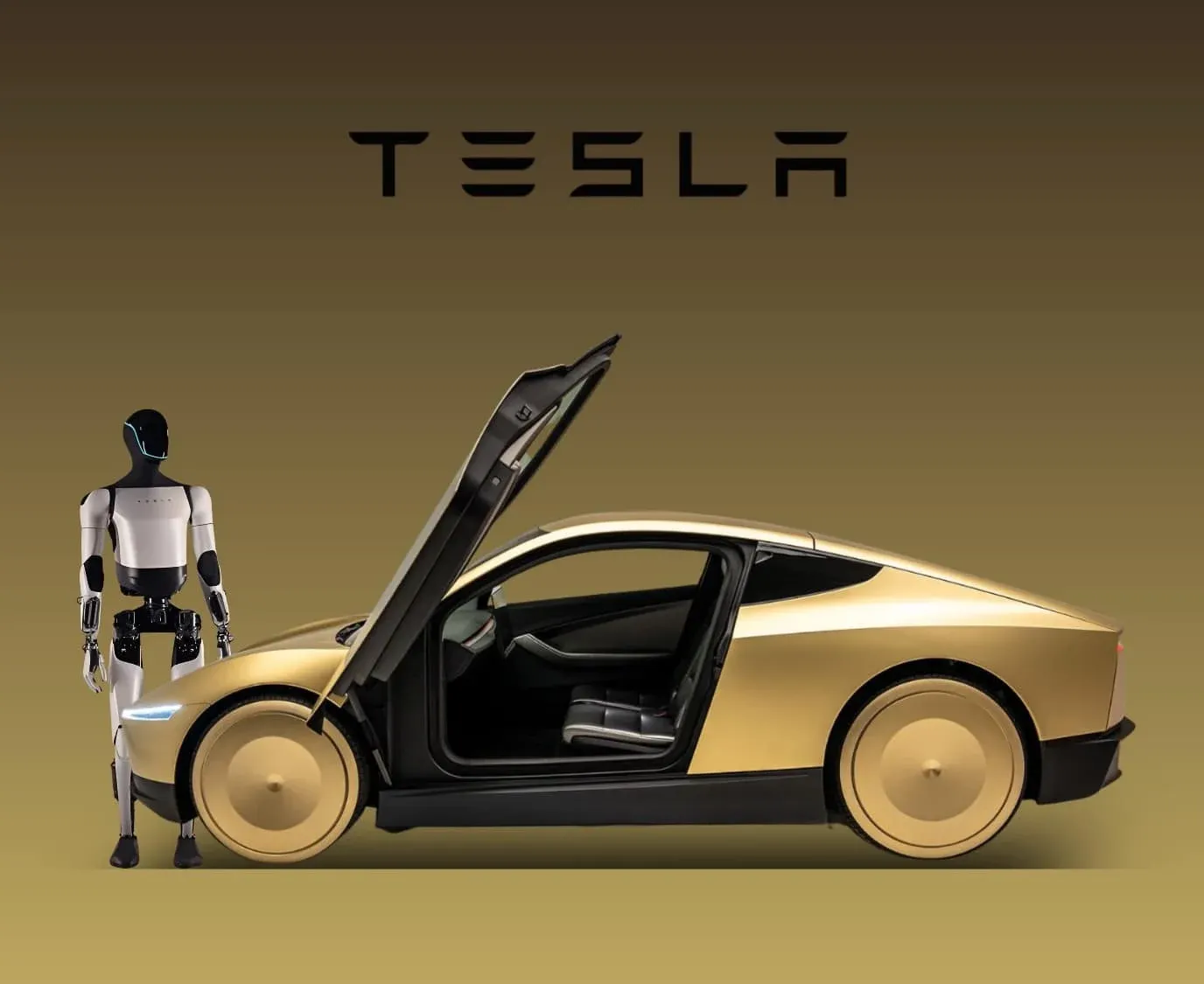
This includes the company’s Full Self-Driving software, Robotaxi plans, and Optimus humanoid robot project.
The stronger adoption of Tesla’s Full Self-Driving technology has helped support this optimism. However, investors now want more proof that these projects can generate strong returns, especially as Tesla continues to spend heavily.
Robotaxi Scaling Remains the Key Question
According to Morgan Stanley, Tesla’s Robotaxi updates were useful, but not enough to fully convince the market.
Investors are watching whether Tesla can increase Robotaxi density in existing cities. They also want to see the company maintain safety, improve vehicle usage, and expand weekly unsupervised miles.
Percoco said stronger confidence in Tesla stock will depend on proof that the Robotaxi flywheel is starting to work.
That means more vehicles on the road, better city-level coverage, higher usage rates, and improving economics per vehicle.
Full Self-Driving Adoption Beats Expectations
One of the strongest points from Tesla’s latest quarter was Full Self-Driving adoption.
Morgan Stanley noted that FSD had a 55% attach rate on North American deliveries. This was much higher than the firm’s previous expectation of 25% to 30%.
This suggests that demand for Tesla’s advanced software remains stronger than expected, even as investors continue to question the pace of Robotaxi commercialization.
Optimus Still Needs More Evidence
Morgan Stanley also said investors want more proof around Optimus, Tesla’s humanoid robot.
So far, the market appears to need evidence beyond management commentary about the start of production.
For investors, Optimus remains a major long-term opportunity. But it still needs clearer milestones before it can meaningfully support Tesla’s valuation.
Margins and Cash Flow Add Pressure
Tesla’s latest quarter did not change Morgan Stanley’s long-term view that the company could lead in Physical AI.
However, weaker gross margins, higher research and development costs, and ongoing free cash flow pressure have made investors more focused on execution.
As Tesla continues to invest heavily in AI, Robotaxi, and Optimus, the market wants to see whether those investments can turn into real business momentum.
Robotaxi Is Tesla’s Near-Term Test
Morgan Stanley described Robotaxi as the most important near-term validation point for Tesla’s Physical AI strategy.
For now, investor conviction may depend less on future promises and more on visible progress.
The key areas to watch are Robotaxi fleet growth, city expansion, safety performance, unsupervised driving miles, and improving unit economics.