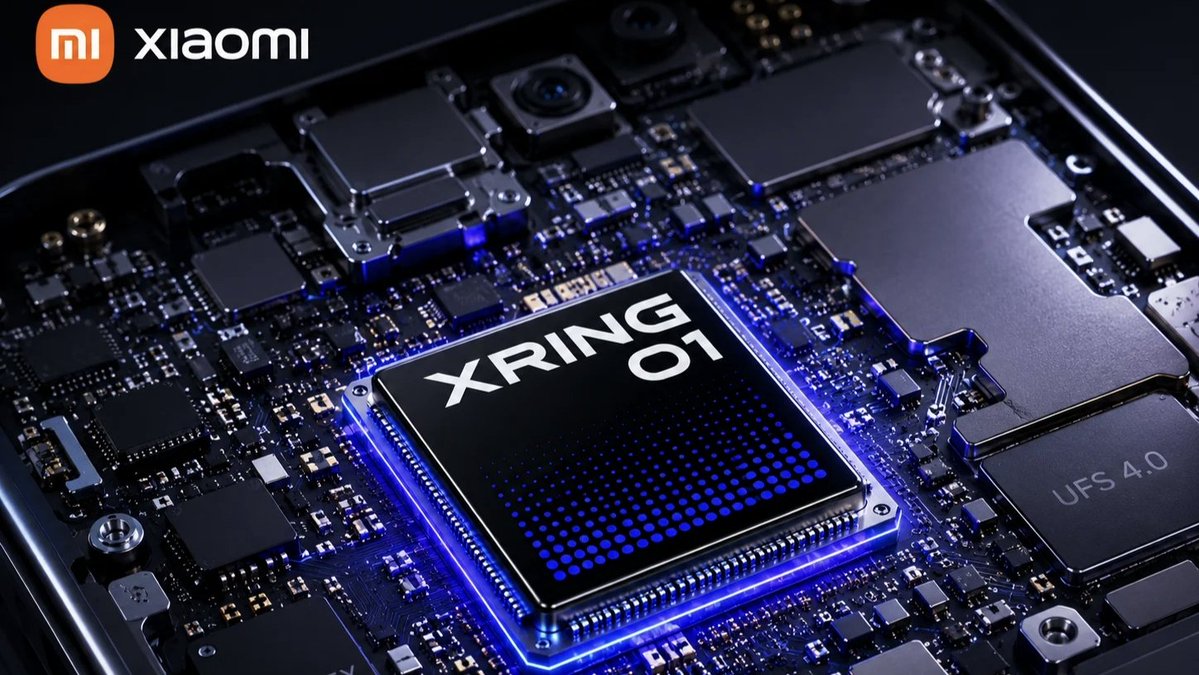
Xiaomi has introduced a new in-house smartphone processor, strengthening its efforts to gain more control over critical components and reduce its reliance on outside chip suppliers.
According to Reuters, the Chinese smartphone manufacturer unveiled the Xring O3 processor on Monday as part of its broader semiconductor strategy.
Xring O3 Builds on Xiaomi’s Chip Strategy
The new Xring O3 is the successor to the Xring O1, which Xiaomi launched last year.
The company is increasingly developing its own processors as it looks to compete more directly with major technology groups such as Apple, Samsung Electronics and Huawei.
Developing proprietary chips could give Xiaomi greater control over performance, efficiency and product differentiation across its premium smartphone range.
TSMC to Manufacture Xiaomi’s New Processor
According to the report, Taiwan Semiconductor Manufacturing Co. (TSMC) will produce the Xring O3 using its advanced 3-nanometre manufacturing process.
The use of 3nm technology could help Xiaomi improve both performance and energy efficiency in its upcoming devices.
TSMC is one of the world’s leading semiconductor manufacturers and produces advanced chips for some of the largest global technology companies.
Xiaomi Foldable Phone Expected to Use Xring O3
The new processor is expected to power Xiaomi’s upcoming flagship foldable smartphone.
The company is reportedly targeting shipments of between 200,000 and 300,000 units for the device.
Using its own processor in a premium foldable model would allow Xiaomi to test its chip technology in one of the most competitive segments of the smartphone market.
Smartphone Makers Push Into In-House Chips
Xiaomi’s latest processor reflects a wider trend across the smartphone industry.
Major manufacturers are increasingly designing their own chips to differentiate high-end devices, improve integration between hardware and software, and reduce their dependence on external suppliers.
Companies such as Qualcomm and MediaTek remain major providers of smartphone processors, but more device makers are looking to develop proprietary alternatives.
For Xiaomi, the Xring O3 could represent another important step toward greater independence in semiconductor design while strengthening its position in the premium smartphone market.