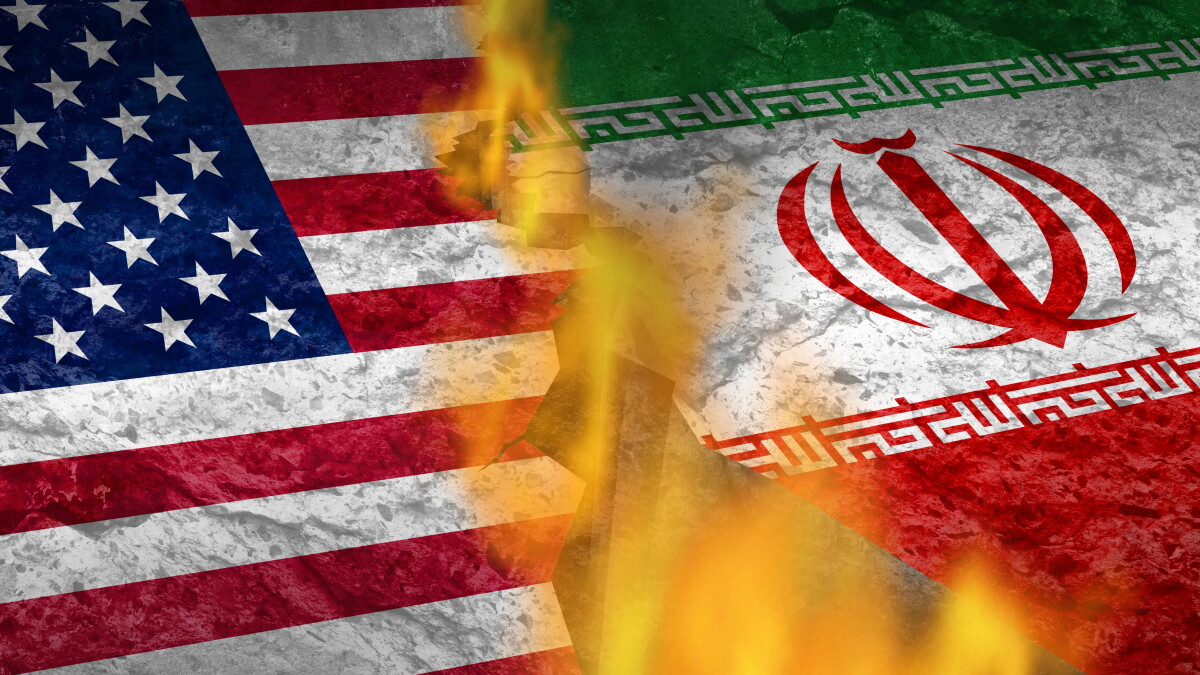
The Pentagon has reportedly ordered the US military to finalize preparations for potential new strikes against Iran, raising concerns about another escalation in the Middle East.
According to an Axios report published late Wednesday, US defense officials instructed US Central Command (CENTCOM) to complete operational preparations for the possible resumption of major military operations against Iranian targets.
However, the directive does not establish a specific timeline for military action. President Donald Trump has also not reached a final decision on whether to authorize additional strikes.
Pentagon Prepares for Possible Renewed Military Operations Against Iran
The latest developments suggest that Washington is keeping military options available as tensions between the United States and Iran remain elevated.
According to US and Israeli officials cited by Axios, another round of military operations could potentially take place before the upcoming US midterm elections in November.
Nevertheless, officials reportedly consider the likelihood of strikes before the elections relatively low. The probability of renewed military action is expected to increase significantly after the vote.
Despite the military preparations, no official decision to launch an operation has been announced.
US and Israel Could Target Iranian Energy and Nuclear Facilities
A renewed military campaign against Iran could involve extensive coordinated strikes by American and Israeli forces, according to the Axios report.
Potential targets reportedly include Iran’s energy facilities, critical infrastructure and nuclear installations.
Such an operation could represent a significant escalation in the ongoing confrontation, with potential consequences for regional security and global energy markets.
Iran’s energy infrastructure is particularly important because disruptions to oil production or transportation could increase uncertainty across international commodity markets.
The Strait of Hormuz, a crucial route for global oil shipments, also remains a major concern for investors monitoring developments in the Middle East.
Trump and Netanyahu Hold New Talks as Iran Tensions Persist
Diplomatic and security discussions between Washington and Israel have intensified amid preparations for potential military action.
President Donald Trump and Israeli Prime Minister Benjamin Netanyahu held another telephone conversation on Wednesday, marking their second discussion within several days.
Meanwhile, Israel’s senior security officials also conducted meetings focused on Iran and the evolving regional situation.
The discussions highlight continued coordination between the two governments as they assess possible responses to Iran’s nuclear activities and broader security concerns.
However, the exact details of the conversations and any potential military decisions remain unclear.
US-Iran Nuclear Negotiations Show Little Progress
Diplomatic efforts to prevent further escalation have so far delivered limited results.
Negotiations between Washington and Tehran, mediated by Qatar, remain largely stalled as both sides struggle to reach an agreement over Iran’s nuclear program.
According to the report, Iranian officials have yet to respond to a US counterproposal seeking additional nuclear concessions.
The lack of meaningful progress has added uncertainty to the diplomatic outlook, particularly as American military preparations continue.
While negotiations remain an option, the absence of an agreement could increase pressure on both governments and complicate efforts to avoid another confrontation.
Middle East Outlook: Military Preparations Raise Escalation Risks
The Pentagon’s reported directive highlights growing uncertainty surrounding the future of US-Iran relations.
Although President Trump has not authorized new military strikes, preparations by US Central Command suggest that Washington wants its forces ready should the administration decide to resume major combat operations.
The timing of any potential action remains uncertain, with officials reportedly viewing the period following the US midterm elections as a more likely window for renewed military activity.
Meanwhile, continued communication between Washington and Israel, combined with stalled nuclear negotiations, will remain important factors shaping the regional outlook.
For financial markets, further escalation could increase volatility in oil prices, gold and other assets sensitive to geopolitical developments.
Ultimately, whether the confrontation moves toward renewed military action or a diplomatic breakthrough will depend on decisions made in Washington, Tehran and Jerusalem in the coming weeks.