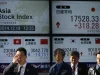
US Dollar Remains Near Two-Month High as Geopolitical Risks and Fed Outlook Support Gains
The U.S. dollar traded close to a two-month high on Thursday after posting strong gains in the previous session. Investor demand for the greenback was supported by rising geopolitical tensions in the Middle East and growing expectations that the Federal Reserve could keep interest rates elevated for longer.
The U.S. Dollar Index remained largely unchanged during Asian trading hours after reaching its highest level in approximately two months overnight.
Middle East Developments Keep Markets on Edge
Market sentiment remained cautious despite signs of diplomatic progress in the region. The United States announced on Wednesday that Israel and Lebanon had agreed to implement a ceasefire arrangement, although the deal remains dependent on Hezbollah suspending military operations.
At the same time, investors continued to monitor renewed tensions following reports of Iranian missile attacks targeting Kuwait and Bahrain, as well as U.S. military strikes on Iran’s Qeshm Island near the strategically important Strait of Hormuz.
The ongoing uncertainty has increased demand for safe-haven assets, helping support the U.S. dollar.
Strong Economic Data Boosts the Greenback
Additional support for the dollar came from stronger-than-expected U.S. economic indicators released on Wednesday.
According to payroll processor ADP, U.S. private employers added 122,000 jobs in May, highlighting continued resilience in the labor market despite concerns about slowing economic growth.
Meanwhile, the Institute for Supply Management (ISM) reported that its services sector index increased to 54.5 in May from 53.6 in April, signaling continued expansion in one of the largest segments of the U.S. economy.
Inflation Concerns Reduce Expectations for Rate Cuts
Investors paid close attention to the inflation-related components of the ISM report. The survey’s prices-paid index climbed to its highest level in nearly four years, reinforcing concerns that inflationary pressures remain persistent.
As a result, financial markets have further reduced expectations for near-term Federal Reserve interest rate cuts, strengthening the case for higher rates over an extended period.
Attention is now shifting toward Friday’s highly anticipated U.S. nonfarm payrolls report, which could provide additional insight into the future direction of Federal Reserve monetary policy.
Japanese Yen Stays Near Key Intervention Zone
The Japanese yen remained under pressure, with the USD/JPY exchange rate trading near 160 yen per dollar, a level closely watched by both traders and policymakers.
The pair was last trading around 159.97, keeping concerns alive that Japanese authorities could intervene in currency markets if weakness in the yen accelerates further.
Officials in Tokyo renewed their warnings about potential intervention earlier this week.
Bank of Japan Signals Potential Rate Hikes
Bank of Japan Governor Kazuo Ueda indicated on Wednesday that policymakers may need to consider raising interest rates if inflation risks become more significant than risks to economic growth.
The yen has faced continued pressure due to the wide interest rate gap between Japan and the United States. However, expectations that the Bank of Japan could continue tightening monetary policy have helped prevent steeper declines in the currency.
Analysts at ING noted that markets may continue testing higher levels in USD/JPY, particularly given June’s historical tendency to be a weaker month for the Japanese yen.