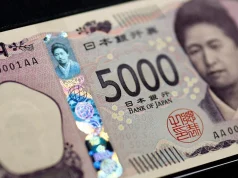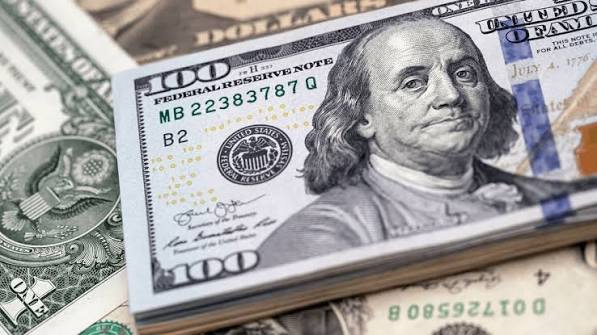
The US dollar traded within a narrow range on Tuesday as the Japanese yen remained the main focus in global currency markets.
The yen weakened slightly against the greenback. However, it stayed comfortably above the four-decade low reached before last week’s coordinated intervention by the United States and Japan.
US and Japan Coordinate Historic Yen Intervention
US Treasury Secretary Scott Bessent confirmed that Washington joined Japan in purchasing yen.
The operation marked the first coordinated yen-buying intervention involving the two countries since 2011. It was also the first direct US action aimed at strengthening the Japanese currency since 1998.
Bessent said the United States participated because excessive yen weakness could create instability across Asian financial markets.
He emphasized Japan’s importance to global trade, economic activity and international savings. According to Bessent, maintaining a stable yen is important for both the region and the wider financial system.
Yen Recovers From a 40-Year Low
Before the intervention, the yen had fallen to approximately 164 against the US dollar, its weakest level in around 40 years.
A falling yen creates significant challenges for Japan because the country depends heavily on imported energy, food and raw materials. A weaker currency raises import costs and can add to domestic inflation.
Yen fluctuations also matter to the United States. Japan is the largest foreign holder of US Treasury securities, making its currency policy relevant to the American bond market.
US Treasury Holdings May Have Influenced Washington
Russ Mould, investment director at AJ Bell, suggested that US participation may have been motivated by more than a desire to support Japan.
Washington may be concerned that continued yen weakness could encourage Japan to sell part of its large US government bond portfolio.
Such sales could push Treasury yields higher and increase borrowing costs in the United States.
Therefore, stabilizing the yen may also help reduce the risk of disruption in the US bond market.
Coordinated Action Raises the Cost of Betting Against the Yen
Market strategists said direct US participation could make the intervention more effective than action taken by Japan alone.
A single central bank normally has limited foreign currency reserves available for intervention. However, cooperation with Washington provides greater financial capacity and sends a stronger signal to traders.
The involvement of both countries may discourage investors from building large positions against the yen.
Officials have also indicated that they remain prepared to intervene again if currency movements become disorderly.
FIMA Facility Could Support Future Operations
The US and Japanese finance ministries are reportedly considering the Federal Reserve’s Foreign and International Monetary Authorities Repo Facility for future market operations.
The FIMA facility allows approved foreign institutions to obtain US dollars by temporarily exchanging their Treasury holdings for cash.
Using this mechanism could help officials manage liquidity and reduce the risk of broader disruption during further intervention.
It may also allow Japan to access dollars without selling large amounts of US government debt directly into the market.
Analysts See a Stronger Ceiling for USD/JPY
Elias Haddad, global head of markets strategy at Brown Brothers Harriman, said any temporary rise in USD/JPY could provide an opportunity to sell the pair.
He argued that the coordinated intervention, combined with warnings of further action, has increased the cost of betting on additional yen weakness.
This could create a firmer upper limit for USD/JPY than the market faced before Washington became directly involved.
The currency pair was last trading near 157.76, up around 0.4% during the session.
Although the yen had weakened from its post-intervention highs, it remained far stronger than the level recorded before the operation.
US Dollar Index Remains Flat
The US Dollar Index, which measures the currency against six major peers, was little changed near 99.88.
The index posted a notable decline during the previous week. Uncertainty surrounding the Federal Reserve’s interest-rate outlook and the coordinated yen intervention weighed on the greenback.
Since then, the dollar has largely moved sideways as traders wait for additional economic data.
US Job Openings Miss Expectations
Investors are closely monitoring US employment figures for clues about the Federal Reserve’s next policy decision.
The Bureau of Labor Statistics reported 7.359 million job openings in June. Economists had expected approximately 7.454 million.
May’s figure was revised down to 7.537 million from the previously reported 7.594 million.
Job openings had risen to 7.585 million in April, marking their highest level since May 2024.
Although the June reading was weaker than forecast, the broader report still pointed to a relatively stable labor market.
Hiring remained unchanged during the month. Total separations were also steady, including the number of workers quitting their jobs and those affected by layoffs or dismissals.
Federal Reserve Focus Shifts Toward Inflation
The resilience of the labor market may allow the Federal Reserve to focus more heavily on controlling inflation.
The central bank has a dual mandate to support maximum employment while maintaining price stability. Current employment conditions suggest that the first part of that mandate remains relatively secure.
Inflation, however, has become harder to assess because of volatile oil prices and the continuing conflict in the Middle East.
These pressures have created disagreement among Federal Reserve officials over the appropriate direction of monetary policy.
Some policymakers may prefer to keep interest rates elevated to control inflation. Others could support lower rates if economic growth begins to slow.
Nonfarm Payrolls Report Takes Center Stage
This week’s US labor market data will conclude with the July nonfarm payrolls report on Friday.
The release is expected to influence expectations for future Federal Reserve interest-rate decisions.
A stronger-than-expected report could support the dollar by reducing the likelihood of near-term rate cuts.
By contrast, weaker employment growth could increase expectations that the Fed will adopt a more accommodative policy.
Euro and British Pound Gain Against Dollar
Other major currencies advanced modestly against the greenback.
The euro rose approximately 0.2% to $1.1531, while the British pound gained 0.2% to trade near $1.3450.
The moves reflected the dollar’s lack of direction as investors assessed currency intervention, US labor data and changing interest-rate expectations.
Falling Oil Prices Ease Inflation Concerns
Oil prices declined for a second consecutive session on Tuesday.
Lower energy prices could reduce some of the inflationary pressure facing consumers and central banks.
Bessent said Washington and Tehran appeared to be moving closer to an agreement. He suggested that a deal could help reopen the Strait of Hormuz and move the conflict toward a more stable position.
The Strait of Hormuz is a crucial route for global oil shipments. Any prolonged disruption could push energy prices higher and create additional inflation worldwide.
Qatar Continues Diplomatic Efforts
Qatar is reportedly continuing its efforts to negotiate a diplomatic resolution to the conflict involving Iran.
The discussions are focused on reducing tensions and reopening the Strait of Hormuz.
Qatar has frequently acted as an intermediary between Iran and the United States. Reports indicated that language for a possible agreement had already been prepared and circulated among negotiators.
Direct talks had not yet been confirmed. However, diplomatic efforts were reportedly centered on achieving a short-term resolution.
Yen Intervention Remains the Main Currency-Market Driver
The US dollar remained stable, but the yen continued to dominate foreign exchange trading.
Although the Japanese currency gave back part of its intervention-driven rally, it remained well above its previous 40-year low.
The direct involvement of the United States has strengthened the credibility of Japan’s efforts to defend the yen. It has also increased the potential risk for traders betting on another sharp rise in USD/JPY.
Upcoming US employment data, Federal Reserve expectations and developments in the Middle East could determine the next major move.
For now, coordinated intervention appears to have established a stronger barrier against renewed and uncontrolled yen weakness.