Dollar Holds Near Lows as U.S.–Iran Talks Dominate Markets
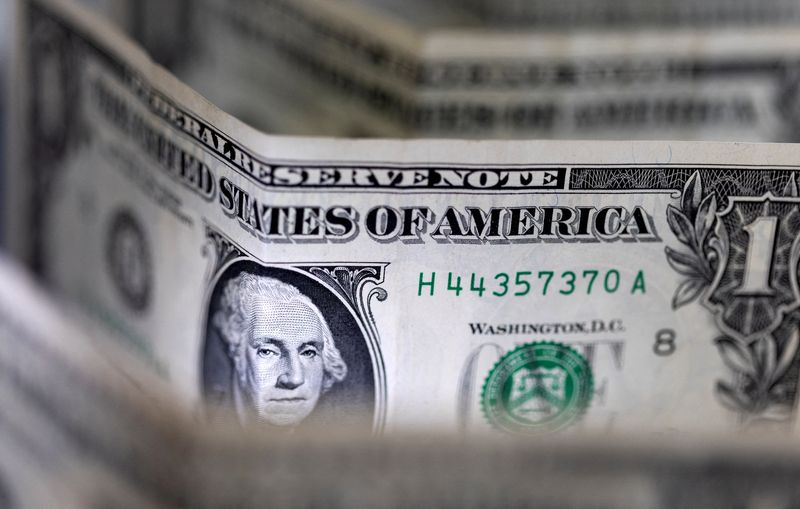
The U.S. dollar strengthened slightly on Thursday, but remained close to its weakest levels since March, as investors navigated a wave of developments surrounding potential U.S.–Iran peace negotiations.
At 16:52 ET (20:52 GMT), the U.S. Dollar Index, which measures the greenback against a basket of six major currencies, rose 0.1% to 98.22.
U.S.–Iran Negotiations Keep Markets on Edge
Diplomatic efforts to secure a lasting ceasefire between the U.S. and Iran continue, with a temporary two-week truce set to expire later this month. Market participants are closely monitoring whether negotiations will lead to a permanent resolution.
Reports indicate that both nations have agreed in principle to resume talks, following an initial round of discussions last weekend that failed to deliver an immediate agreement. However, no official timeline or location has been confirmed.
Vice President JD Vance is expected to head the U.S. delegation in upcoming negotiations.
President Donald Trump stated that Iran is nearing a deal, highlighting optimism around the talks. He noted that falling oil prices and stable equity markets signal improving conditions, adding that any agreement would aim to eliminate nuclear threats.
Middle East Ceasefire Efforts Add to De-escalation Hopes
Further supporting market sentiment, Trump announced that Israel and Lebanon would begin a ceasefire starting at 17:00 ET. He also revealed plans to host Lebanese President Joseph Aoun and Israeli Prime Minister Benjamin Netanyahu at the White House for what could be the first significant diplomatic meeting between the two nations in decades.
Despite these developments, tensions remain. A key point of friction is the ongoing U.S. naval blockade of Iranian ports. Iranian officials have warned against its continuation, while U.S. authorities maintain that the blockade has effectively restricted Iranian-linked shipping activity.
Military officials clarified that the blockade targets Iranian ports and coastlines, not the Strait of Hormuz.
Oil Prices Remain Elevated Amid Supply Concerns
Oil prices increased on Thursday but stayed below the $100 per barrel mark, as traders assessed the impact of disruptions in the Strait of Hormuz. The crucial shipping route has seen severely limited tanker activity in recent weeks, tightening global energy supply.
Earlier in the conflict, oil prices surged to nearly $120 per barrel, fueling concerns about renewed inflation and potential pressure on global economic growth.
During the peak of the crisis, investors flocked to the U.S. dollar as a safe-haven asset. The U.S.’s role as a major energy exporter helped support the currency. However, as risk appetite begins to return, the dollar has weakened and now trades only slightly above its pre-conflict levels.
Sterling Falls Despite Strong UK Growth Data
Among major currencies, the euro slipped 0.2% to $1.1782, while the British pound declined 0.3% to $1.3526.
UK economic data showed that GDP grew by 0.5% month-on-month in February, significantly exceeding expectations of 0.1%. January’s figure was also revised upward to 0.1%.
Economists noted that the UK entered the energy shock in a relatively strong position, with first-quarter growth likely outperforming forecasts. However, this momentum may not be sustainable.
Rising energy costs are expected to weigh on household finances, reducing disposable income and consumer spending. Fuel prices have already increased by over 20% following the oil market disruption.
Yen and Yuan Weaken as China Growth Beats Expectations
The Japanese yen weakened slightly, with USD/JPY rising 0.1% to 159.16. The Chinese yuan also edged lower, with USD/CNY up 0.1% to 6.8208.
China reported 5% year-on-year GDP growth for the first quarter, surpassing expectations of 4.8%. Industrial production improved, but other indicators such as unemployment, retail sales, and housing prices disappointed.
Analysts noted that the stronger GDP figure was partly driven by base effects from weaker economic performance earlier in 2025.