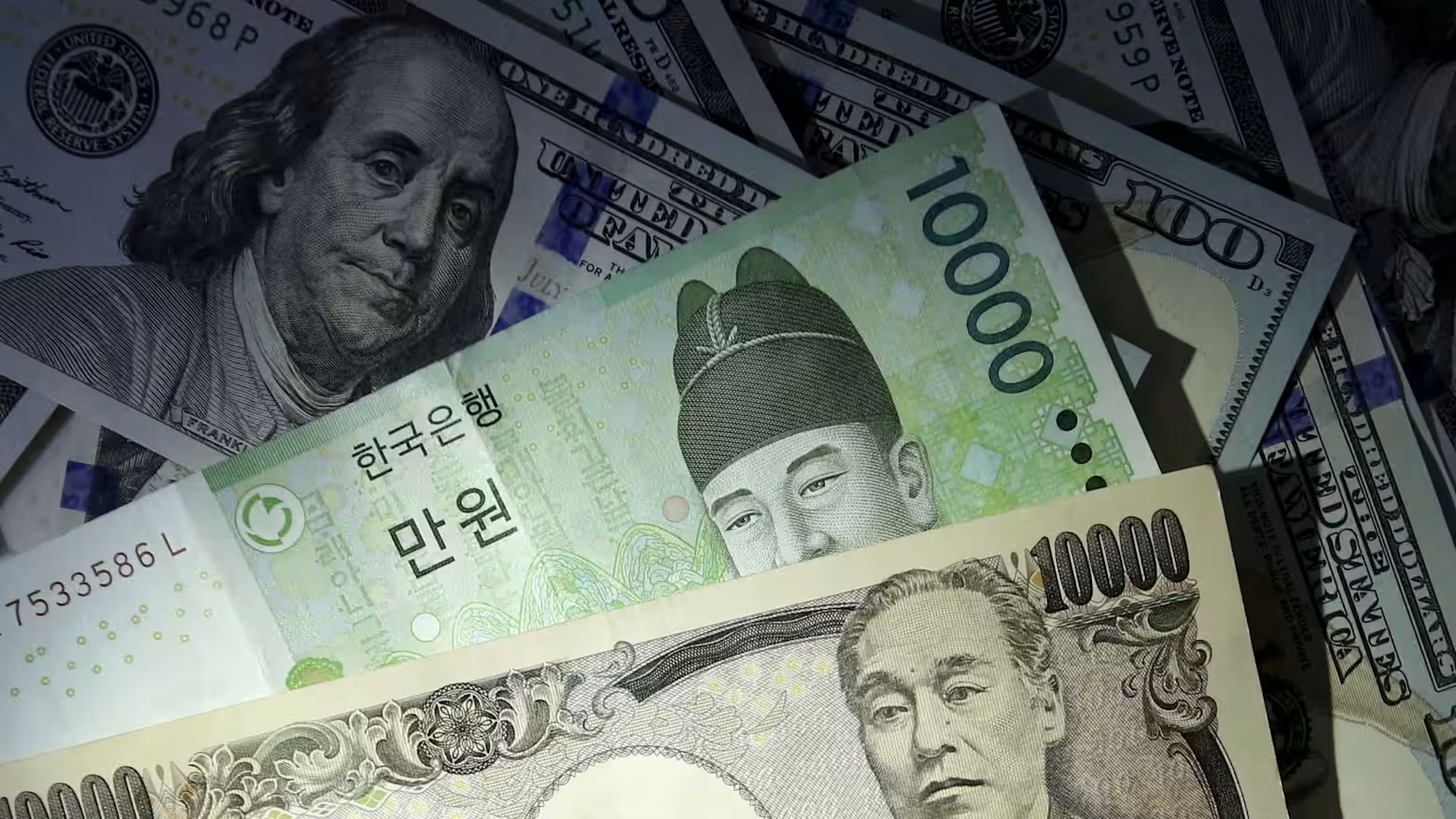
Most Asian currencies strengthened against the U.S. dollar on Monday after easing tensions in the Middle East triggered a sharp decline in oil prices.
Lower energy prices reduced demand for the dollar as a safe-haven asset. They also eased concerns that another oil-driven inflation shock could push the Federal Reserve toward tighter monetary policy.
The U.S. Dollar Index fell approximately 0.3% during Asian trading by 06:20 GMT.
Oil Price Drop Reduces Inflation Concerns
Brent crude oil declined by more than 5% in Asian trade after Washington paused its two-week military campaign against Iran over the weekend.
Tehran also said it would suspend retaliatory attacks as long as the United States avoided further military action.
The pause followed diplomatic efforts led by China to restart negotiations. This development reduced fears of prolonged energy supply disruptions across the Middle East and improved investor appetite for riskier assets.
Markets increasingly expect lower oil prices to ease inflationary pressures. Rising energy costs had recently strengthened expectations that central banks might need to maintain tighter monetary policy.
Japanese Yen and Commodity Currencies Advance
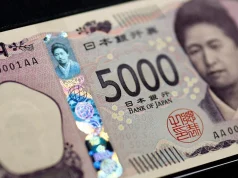
The Japanese yen strengthened against the dollar, with the USD/JPY pair declining by around 0.2% to approximately 163.6 yen.
Commodity-linked currencies also gained ground. The Australian dollar and New Zealand dollar each rose by about 0.2% against the greenback.
These currencies often benefit when investor sentiment improves and demand for safe-haven assets declines.
Federal Reserve Rate Hike Expectations Ease
The Federal Reserve is widely expected to leave interest rates unchanged at its upcoming policy meeting.
However, policymakers may continue to use cautious language following several weeks of elevated oil prices and persistent inflation concerns.
Federal funds futures showed a 33.7% probability of a 25-basis-point rate increase this week. That was lower than the 37.4% probability recorded on Friday, according to CME’s FedWatch Tool.
The drop in rate hike expectations placed further pressure on the U.S. dollar.
Chinese Yuan and Regional Currencies Strengthen
Most currencies across Asia moved higher as the dollar weakened.
Both the offshore and onshore Chinese yuan strengthened by approximately 0.2%.
The Taiwan dollar and Indian rupee also gained, with the USD/TWD and USD/INR currency pairs falling by about 0.2%.
The Singapore dollar remained largely unchanged against the U.S. dollar.
Singapore Adjusts Currency Policy Slightly
The Monetary Authority of Singapore announced a small increase in the rate of appreciation of its Singapore dollar nominal effective exchange rate policy band.
The central bank left both the width and midpoint of the band unchanged.
The limited adjustment suggested that Singapore’s policymakers remain cautious while continuing to address inflation risks.
Indonesian Rupiah Falls After Central Bank Resignation
Indonesia’s rupiah moved against the wider regional trend and weakened by around 0.5%.
The currency came under pressure after Bank Indonesia Governor Perry Warjiyo unexpectedly resigned. His departure raised concerns about the central bank’s independence and the future direction of monetary policy.
Senior Deputy Governor Destry Damayanti was appointed as interim governor.
Analysts warned that the sudden leadership change could create uncertainty and weaken investor confidence in Indonesian assets.
Bank of Japan Decision Comes Into Focus
Investor attention will also turn to the Bank of Japan later this week.
The yen recently recorded its strongest daily gain since July 10. Markets will now watch for signs that Japanese policymakers remain committed to gradually normalizing monetary policy.
Inflation pressures in Japan remain an important factor in the central bank’s outlook.
The Federal Reserve is scheduled to announce its policy decision on Wednesday. The Bank of England and Bank of Japan will also release their latest policy decisions later in the week.
The combination of lower oil prices, improving risk sentiment and reduced expectations of an immediate Fed rate hike has provided support for most Asian currencies.