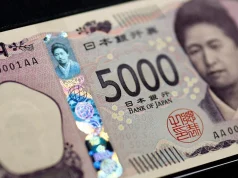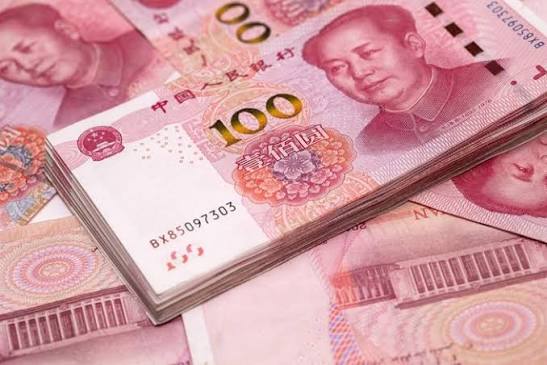
Most Asian currencies traded within narrow ranges on Monday as investors waited for a new round of negotiations between the United States and Iran. Meanwhile, the Japanese yen continued to strengthen amid expectations that Washington and Tokyo could intervene again to support the currency.
The U.S. Dollar Index slipped 0.2% during Asian trading. Dollar Index Futures recorded a similar decline.
Markets Await Fresh U.S.-Iran Talks
Investors remained cautious ahead of the latest negotiations between the United States and Iran.
U.S. President Donald Trump said talks would resume on Monday. However, he did not provide a deadline for reaching an agreement.
The discussions are expected to focus on Iran’s nuclear programme. Officials may also address measures to protect shipping through the Strait of Hormuz after weeks of conflict disrupted oil supplies.
Trump warned that the United States remained prepared to take stronger action if diplomacy failed. His comments encouraged traders to limit large positions before the negotiations.
Chinese Yuan Remains Stable
The Chinese yuan showed little movement in both domestic and offshore markets. The USD/CNY and USD/CNH currency pairs remained broadly unchanged.
A private survey showed that China’s manufacturing Purchasing Managers’ Index fell to 50.9 in July from 51.7 in June. This marked the slowest rate of expansion in four months.
The figure remained above 50, which indicates growth. However, it contrasted with China’s official manufacturing PMI, which fell to 49.2 and entered contraction territory.
The difference between the two surveys highlighted ongoing weakness in domestic demand.
Other Asian Currencies Trade Quietly
Currency movements elsewhere in Asia were limited.
The Singapore dollar remained largely unchanged against the U.S. dollar. The Indian rupee gained slightly, with USD/INR falling around 0.2%.
The Australian dollar also traded close to unchanged levels.
South Korean Won Gains After Intervention
The South Korean won was among the stronger regional currencies.
USD/KRW dropped around 0.8% on Monday. The move followed reports that South Korean foreign exchange authorities had carried out an unusual dollar-selling intervention during the previous week.
That action helped push the won to its strongest level in nine months.
Yen Rally Continues on Intervention Expectations
The Japanese yen strengthened by almost 1% against the dollar, extending the sharp gains recorded during the previous week.
USD/JPY fell around 0.7% to 156.45 after briefly reaching 155.21 earlier in the session. The pair had already declined by more than 3% across the previous two trading days.
Traders continued to position for the possibility of further coordinated intervention by Japan and the United States.
Bessent Signals Readiness for Further Action
The latest yen gains followed comments from U.S. Treasury Secretary Scott Bessent.
Bessent said Washington would not hesitate to participate in another joint intervention if disorderly movements in the yen returned.
The Japanese currency had faced intense selling pressure in recent months. It reached its weakest level against the dollar in four decades before authorities entered the market.
Bank of Japan Maintains Hawkish Position
The Bank of Japan kept its benchmark interest rate unchanged at 1% on Friday.
However, the central bank maintained a relatively hawkish tone. Policymakers said they remained prepared to raise rates further if inflation developed in line with their expectations.
Higher Japanese interest rates could reduce the yield gap between Japan and other major economies, potentially providing longer-term support for the yen.
Analysts Question the Rally’s Durability
MUFG analysts said the coordinated intervention was both historic and significant.
They noted that the action could help force traders to close short yen positions in the near term. However, they argued that Japan’s economic and monetary fundamentals would still need to change for USD/JPY to fall sustainably.
MUFG expects the Bank of Japan to raise rates faster than financial markets currently anticipate. The bank views this as an important reason why USD/JPY could move lower over time.