The Federal Reserve kept interest rates unchanged on Wednesday, October 28, as policymakers sought additional economic data before making further monetary policy adjustments. The decision comes amid persistent inflation concerns and continued uncertainty over the outlook for US interest rates.
The Federal Open Market Committee (FOMC) voted 10-2 to maintain its benchmark interest rate within the 3.75%–4.00% range. Meanwhile, the central bank upgraded its assessment of the US economy, highlighting strong growth and resilient consumer spending.
Despite the improving economic outlook, officials acknowledged that inflation remains above the Fed’s 2% target.
Federal Reserve Signals Confidence in US Economic Growth
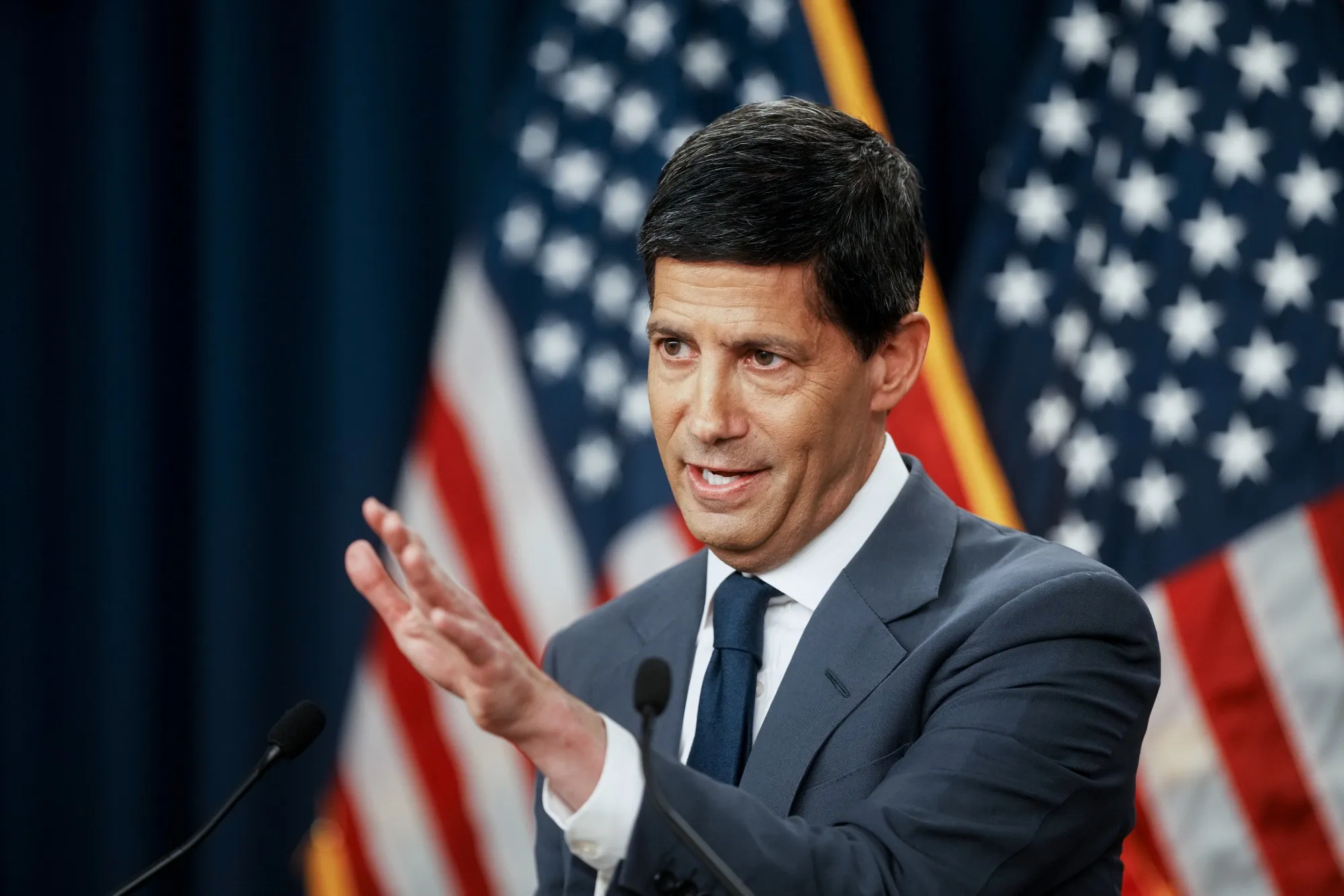
Federal Reserve Chair Kevin Warsh expressed optimism about the economy’s ability to maintain strong growth while gradually bringing inflation under control.
During his press conference, Warsh suggested that higher productivity could allow the economy to expand without generating excessive inflationary pressures.
He also pointed to technological improvements, including developments preceding the artificial intelligence boom, as potential drivers of stronger economic performance.
Furthermore, Warsh indicated that upcoming third-quarter gross domestic product data could reveal robust business investment and consumer spending.
However, he rejected the suggestion that the US economy was overheating. Instead, he argued that policymakers could achieve price stability without triggering a significant economic slowdown or substantial job losses.
Inflation Concerns Keep Additional Rate Hikes on the Table
Although the Federal Reserve maintained interest rates, policymakers left open the possibility of further monetary tightening.
Inflation remains approximately one percentage point above the central bank’s 2% objective. Moreover, recent economic indicators suggest that price pressures have shown limited signs of easing.
Elevated energy costs, particularly diesel and gasoline prices, continue to affect transportation, agriculture, and other major industries.
Additionally, strong consumer spending and investment associated with artificial intelligence could contribute to persistent inflationary pressures.
Warsh acknowledged that elevated interest rates are already producing tighter credit conditions. Consequently, borrowing costs could gradually restrain business investment and consumer spending.
The Fed emphasized that upcoming inflation and employment figures would play a crucial role in determining its next policy decision.
Two Fed Officials Oppose the Decision to Hold Rates
The Federal Reserve’s decision was not unanimous.
Fed Governor Lisa Cook and Cleveland Fed President Beth Hammack voted against maintaining current borrowing costs. Both officials supported an immediate quarter-percentage-point interest rate increase.
Their opposition highlighted concerns that inflation could remain elevated without additional monetary policy tightening.
Nevertheless, most policymakers favored waiting for further economic evidence before adjusting rates again.
The decision followed September’s quarter-point rate increase, which had already tightened financial conditions.
Financial Markets React to the Fed’s Interest Rate Decision
Financial markets showed a relatively limited reaction to the Federal Reserve announcement.
US stock markets briefly reduced their gains following the decision but ultimately finished the trading session higher. Meanwhile, longer-term Treasury yields extended their advance.
Interest rate futures also reflected slightly reduced expectations for additional monetary tightening.
However, market participants continued to anticipate another increase in borrowing costs before the end of the year.
According to the market pricing cited in the report, traders assigned approximately an 80% probability to a rate hike at the Fed’s December 8–9 meeting.
Investors also expected the possibility of another increase by March 2027, depending on economic developments.
Political Pressure and Federal Reserve Independence
The Federal Reserve’s latest decision came ahead of the November 3 US midterm elections, with inflation and living costs remaining important issues for voters.
President Donald Trump has repeatedly criticized the central bank’s interest rate policies, particularly its reluctance to deliver substantial borrowing cost reductions.
However, Warsh emphasized that political considerations did not influence the committee’s decision.
Meanwhile, Treasury Secretary Scott Bessent expressed confidence in Warsh’s ability to balance inflation control with continued economic expansion.
The Fed maintained that its decisions would remain focused on its economic objectives rather than political developments.
What Comes Next for Federal Reserve Interest Rates?
The Federal Reserve faces a challenging balance between controlling inflation and preserving economic growth.
Although the US economy continues to demonstrate resilience, persistent price pressures could require additional interest rate increases.
At the same time, excessively restrictive monetary policy could weaken investment, employment, and consumer spending.
Therefore, upcoming inflation reports, labor market figures, and economic growth indicators will be particularly important ahead of December’s policy meeting.
For now, the Federal Reserve appears committed to maintaining flexibility while assessing whether existing borrowing costs are sufficient to bring inflation back toward its 2% target.
The central bank’s next decision will depend heavily on whether incoming economic data confirms that inflation is moving sustainably toward its long-term objective.