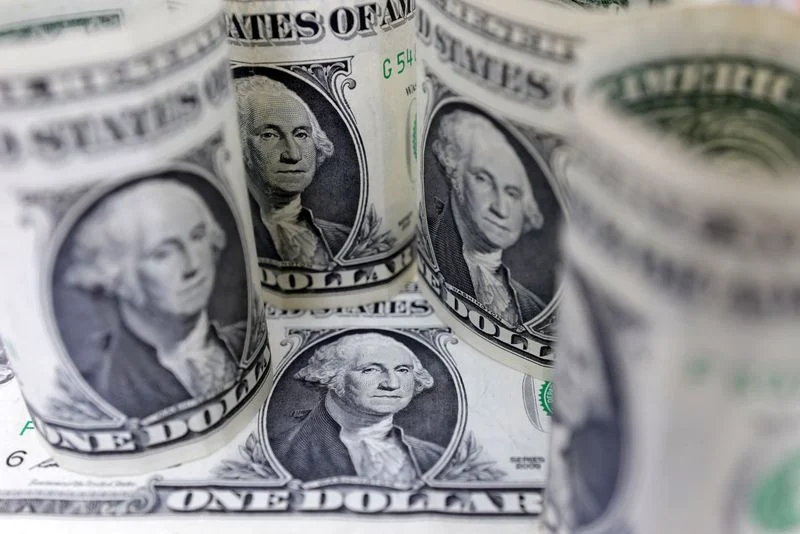
The US dollar remained relatively stable on Thursday, October 29, after the Federal Reserve kept interest rates unchanged. However, uncertainty surrounding future monetary policy decisions continued to influence currency markets.
Investors are now focusing on upcoming inflation and employment data for clues about the Fed’s next move. Meanwhile, expectations for additional interest rate increases have moderated following comments from Federal Reserve Chair Kevin Warsh.
Federal Reserve Holds Interest Rates Steady
The Federal Reserve maintained its benchmark interest rate between 3.75% and 4.00% following a 10-2 vote on Wednesday.
The decision came ahead of the November 3 US midterm elections. Additionally, policymakers upgraded their economic assessment, highlighting resilient consumer spending, strong investment, and continued economic expansion.
Despite persistent inflation concerns, Warsh expressed confidence that price pressures could return to the Fed’s 2% target without significantly damaging economic growth or employment.
Consequently, traders reduced expectations for further monetary tightening in 2027.
US Dollar Reacts as Fed Outlook Remains Uncertain
The US dollar had approached a two-week high before the Federal Reserve announcement. However, the currency weakened after Warsh offered limited guidance about a potential December interest rate increase.
During early Asian trading, the euro declined 0.15% to $1.1134 against the dollar. This followed a 0.3% advance in the previous session.
Meanwhile, the US dollar strengthened 0.14% against the Japanese yen, reaching 158.045 yen. The dollar index, which measures the greenback against six major currencies, stood near 102.26.
According to Commonwealth Bank of Australia currency strategist Carol Kong, investors interpreted Warsh’s cautious approach as less aggressive than anticipated.
Market participants had expected clearer signals regarding the Fed’s December meeting. However, the absence of firm guidance left the future direction of interest rates uncertain.
Treasury Yields Decline Following Fed Decision
US Treasury yields also reacted to the Federal Reserve’s announcement.
The two-year Treasury yield, which closely reflects expectations for interest rate policy, briefly declined to 4.678%. It subsequently traded around 4.712%, down approximately 2.3 basis points during Asian trading.
Meanwhile, futures markets indicated a 78% probability of a December rate increase, according to the CME FedWatch tool.
J.P. Morgan Asset Management strategist Kerry Craig suggested that the Fed’s decision provides additional time to evaluate incoming economic indicators.
Furthermore, analysts expect bond yields to remain within established trading ranges unless economic data provides stronger evidence supporting additional rate increases or a potential shift toward monetary easing.
Fed Announces Changes to Future Policy Meetings
Warsh also outlined adjustments to the Federal Reserve’s meeting schedule for 2027 and 2028.
Under the proposed changes, one regularly scheduled meeting in 2027 and two meetings in 2028 will focus on broader institutional and strategic issues rather than monetary policy decisions.
Analysts at TD Securities interpreted the announcement as a relatively dovish development.
However, they also suggested that fewer scheduled opportunities for policy adjustments could increase the likelihood of sharper market reactions or unexpected policy actions between meetings.
ECB and Bank of Japan Decisions Take Center Stage
Attention is now shifting toward upcoming monetary policy announcements from the European Central Bank (ECB) and the Bank of Japan (BOJ).
The ECB is scheduled to announce its interest rate decision on Thursday, while the BOJ concludes its two-day meeting on Friday.
Both central banks are widely expected to maintain their existing policy rates.
According to ING analysts, the US dollar could continue trading near the upper end of its recent range unless either central bank delivers an unexpectedly hawkish message.
Meanwhile, the New Zealand dollar stabilized around $0.5621 after experiencing a sharp decline following the Reserve Bank of New Zealand’s unexpected decision to maintain interest rates at 2.75%.
The Australian dollar traded near $0.705, remaining close to its highest level in approximately one month.
In Canada, the central bank raised interest rates for the first time in more than three years. Policymakers also indicated that additional tightening might be necessary to contain inflationary pressures linked to higher energy prices.
The USD/CAD exchange rate was trading near 1.399.
What Comes Next for the US Dollar?
The US dollar outlook remains closely tied to inflation trends, employment figures, and monetary policy expectations.
Although the Federal Reserve has temporarily paused its tightening cycle, upcoming economic releases could significantly influence expectations for the December meeting.
At the same time, decisions from other major central banks may affect currency movements and broader foreign exchange market sentiment.
For now, investors appear reluctant to establish strong directional positions until policymakers provide greater clarity about the future path of global interest rates.