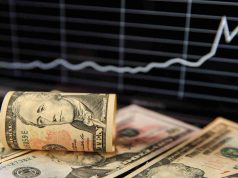
U.S. Dollar Set for Second Weekly Decline
The U.S. dollar was on track for a second consecutive weekly loss on Friday, as cautious trading conditions prevailed. A ceasefire between Israel and Lebanon, along with renewed prospects for U.S.-Iran negotiations, encouraged investors to reduce safe-haven positions.
Ceasefire and Iran Talks Shape Market Sentiment
A 10-day ceasefire between Israel and Lebanon came into effect on Thursday, while U.S. President Donald Trump signaled that fresh talks with Iran could take place over the weekend.
Negotiations between Washington and Tehran have shifted toward a more limited objective, with both sides now aiming for a temporary agreement to avoid renewed conflict. The nuclear issue remains a key challenge in reaching a broader deal.
Major Currencies Stabilize Near Recent Highs
Currency markets in Asia remained largely rangebound as investors awaited further clarity. The euro held steady at $1.1782 and was on track for a third straight week of gains, while the British pound traded at $1.3525.
Both currencies have recovered most of their earlier losses linked to the Iran conflict and are now trading near seven-week highs.
Dollar Index Weakens as Safe-Haven Demand Fades
The dollar index, which tracks the greenback against a basket of six major currencies, remained stable at 98.235 but continued to head toward a weekly decline. Much of the dollar’s earlier gains during the conflict have been reversed, as improving geopolitical sentiment reduced demand for safe-haven assets.
Market participants noted that optimism around the ceasefire has already been partially priced in, leaving the dollar without a clear directional catalyst in the short term.
Risk-Sensitive Currencies Show Strength
The Australian dollar traded at $0.7167, staying close to four-year highs supported by stronger risk appetite. Meanwhile, the New Zealand dollar edged slightly lower to $0.5887.
Against the Japanese yen, the dollar rose modestly to 159.47. Bank of Japan Governor Kazuo Ueda’s cautious stance on interest rates reduced expectations of a near-term rate hike, contributing to yen weakness.
Markets Focus on Central Bank Response to Inflation
Investors are closely monitoring how central banks will respond to inflationary pressures linked to the Middle East conflict. Policymakers have so far maintained a cautious approach.
U.S. Treasury yields remained steady after rising in the previous session, with elevated oil prices continuing to fuel inflation concerns. The two-year yield stood at 3.7816%, while the 10-year yield held at 4.3193%.
Market expectations indicate that the Federal Reserve is likely to keep interest rates unchanged this year, a shift from earlier forecasts that had anticipated multiple rate cuts before the conflict escalated.
Global Policymakers Signal Cautious Approach
Finance ministers and central bank governors from the Group of Seven have expressed readiness to act if needed to mitigate economic and inflation risks stemming from energy price shocks.
European Central Bank officials have also signaled caution, suggesting that more data is required before considering any rate changes, with timing remaining uncertain.
Labor Market Stability Supports Fed Outlook
Recent U.S. jobless claims data came in better than expected, indicating continued resilience in the labor market. This provides the Federal Reserve with additional flexibility to maintain current interest rates while assessing the longer-term impact of inflation driven by geopolitical tensions.
Analysts noted that tightening monetary policy in response to supply-driven inflation, particularly from energy markets, could risk slowing economic growth further.