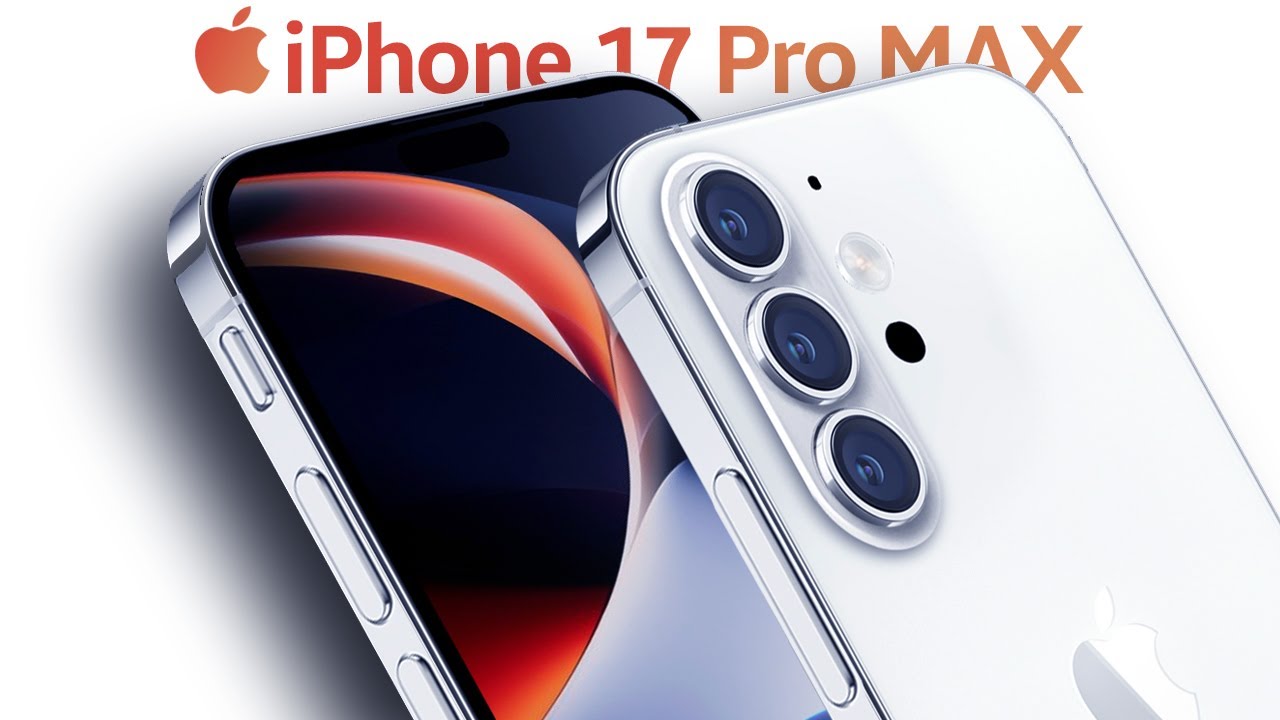
Apple iPhone Shipments Rise 20% in China Despite Market Decline
Apple recorded a strong 20% increase in iPhone shipments in China during the first quarter, marking the fastest growth among major smartphone brands. This performance came even as the overall market declined, pressured by rising memory chip costs, according to data from Counterpoint Research.
Apple Climbs to Second Place with Strong Demand
The U.S. tech giant secured the second position in China’s smartphone market during the quarter. Growth was driven by continued demand for the iPhone 17 lineup, combined with promotional discounts and government-backed subsidies. Apple also achieved the highest growth rate among the top six smartphone vendors.
Strong Position Amid Global Chip Cost Pressures
Counterpoint Research noted that Apple is well positioned to navigate the ongoing global memory shortage. Thanks to its premium product range and efficient supply chain management, the company is more capable of absorbing rising component costs while potentially expanding its market share in the near to medium term.
China Smartphone Market Contracts in Q1
Overall smartphone shipments in China declined by 4% between January and March. The drop was largely attributed to supply chain disruptions and increasing chip prices, which have impacted both manufacturers and consumers.
Rising Costs Put Pressure on Market
According to Counterpoint analyst Ivan Lam, higher component costs are already pushing up retail prices across both older models and newly launched devices. This trend is expected to continue weighing on the Chinese smartphone market into the second quarter.
Premium Segment Shows Resilience
Despite broader market weakness, the premium smartphone segment remains relatively strong. Manufacturers are introducing advanced features such as enhanced imaging systems, foldable devices, and AI-driven functionalities to stimulate upgrade demand.
Huawei, Apple and Vivo Lead Growth
Among the leading brands, Huawei, Apple, and Vivo were the only companies to record growth during the quarter. Huawei maintained its top position with a 20% market share and a 2% increase in shipments, supported by demand across both high-end devices and budget models like the Enjoy 90 series. Apple followed closely with a 19% market share.
Vivo also reported a 2% year-on-year increase, driven primarily by its mid-range and entry-level devices, including models such as the Y50, Y500, and S50.
Xiaomi Drops Sharply in Rankings
In contrast, Xiaomi fell to sixth place after its shipments declined by 35%. According to Lam, this drop was largely due to a high comparison base, as the company had previously benefited from aggressive promotions and subsidies during the same period last year.