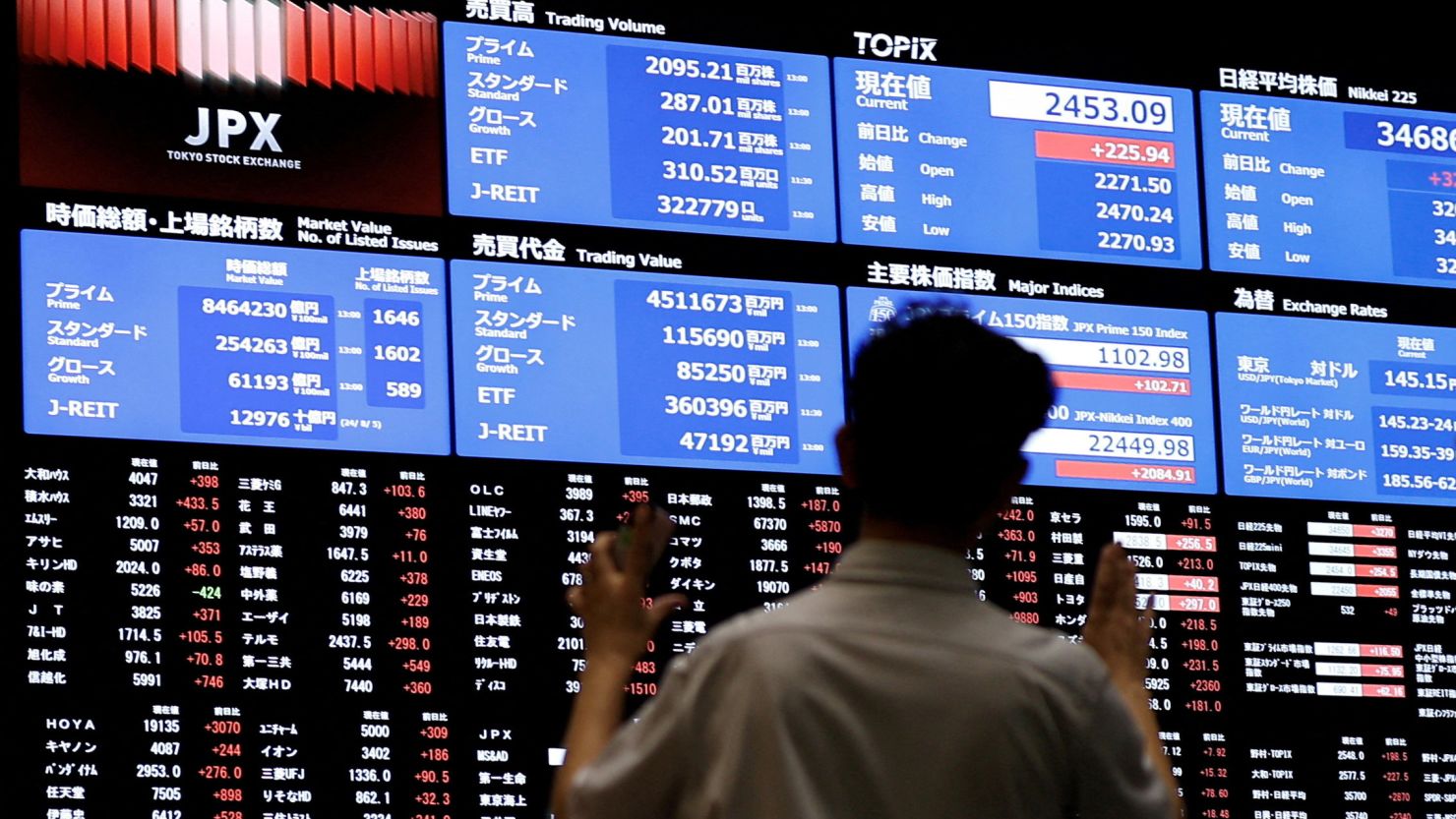
Most Asian stock markets declined further on Tuesday as tensions between the United States, Israel and Iran showed no clear signs of easing. South Korea led regional losses, with investors reacting in catch-up trade following a long weekend.
Chinese equities were relatively more resilient, as traders looked ahead to key economic policy meetings for fresh signals on potential stimulus. In Hong Kong, gains in selected energy and technology stocks helped limit overall losses.
Across the region, airline and tourism shares came under pressure, reflecting concerns over geopolitical instability and rising oil prices. In contrast, energy stocks advanced sharply as crude prices surged.
Asian markets took mixed signals from a volatile session on Wall Street overnight. Risk appetite remained fragile, with S&P 500 Futures down 0.6% at 21:31 ET (02:31 GMT). Comments from U.S., Israeli and Iranian officials suggested little progress toward de-escalation.
Investors remain particularly concerned about two key risks: a spike in oil prices and disruptions to global trade. Higher energy costs could also fuel inflation, adding another layer of uncertainty for markets.
KOSPI slides sharply; Japan stocks fall on geopolitical pressure
South Korea’s KOSPI index was the weakest performer in Asia, plunging 4.3%. The decline was amplified by profit-taking after strong gains in February.
Major technology and auto stocks recorded steep losses. SK Hynix, Samsung Electronics and Hyundai Motor fell between 5% and 8%, reversing some of the recent optimism linked to artificial intelligence-driven growth.
In Japan, both the Nikkei 225 and TOPIX indexes dropped more than 2%. Mixed domestic data added to investor caution. While capital spending rose strongly in the fourth quarter, indicating some economic resilience, Japan’s unemployment rate unexpectedly increased in January.
Comments from Bank of Japan Deputy Governor Ryozo Himino also weighed on sentiment. He indicated that the central bank is likely to continue raising interest rates, reinforcing expectations of tighter monetary policy.
China steadier ahead of “two sessions” policy meetings
China’s Shanghai Shenzhen CSI 300 and Shanghai Composite indexes declined modestly, each falling around 0.2%. Investors are focused on the upcoming “two sessions” meetings, scheduled between March 4 and March 11.
During these meetings, Chinese leaders are expected to outline the country’s 15th five-year plan for 2026–2030, with emphasis on technology and industrial development. Local media reports suggest that additional stimulus measures could also be announced to address sluggish economic growth.
Hong Kong’s Hang Seng index slipped 0.2%, but gains in energy majors such as PetroChina, CNOOC and ENN Energy helped cushion broader losses. Technology shares also offered some support, with NetEase rising after receiving a positive rating update from Morgan Stanley.
Singapore’s Straits Times index stood out, rising 0.9% on strength in energy stocks. Meanwhile, India’s Nifty 50 futures fell 0.6% after the benchmark index dropped 1.2% in the previous session.
Australia’s ASX 200 drops ahead of GDP data
Australia’s ASX 200 index fell 1.3%, with investors turning their attention to fourth-quarter GDP data due on Wednesday.
Economic data released Tuesday pointed to potential weakness. The country posted a larger-than-expected current account deficit in the fourth quarter, while export contributions to GDP declined by 0.1%, suggesting limited support from the mining sector.
Market sentiment was also affected by comments from Reserve Bank of Australia Governor Michele Bullock. She indicated that further interest rate hikes remain possible, citing inflation risks stemming from a prolonged Middle East conflict. The RBA’s March meeting is expected to assess all policy options.
Overall, Asian markets remain sensitive to geopolitical developments, oil price volatility and shifting monetary policy expectations, all of which continue to shape investor sentiment across the region.