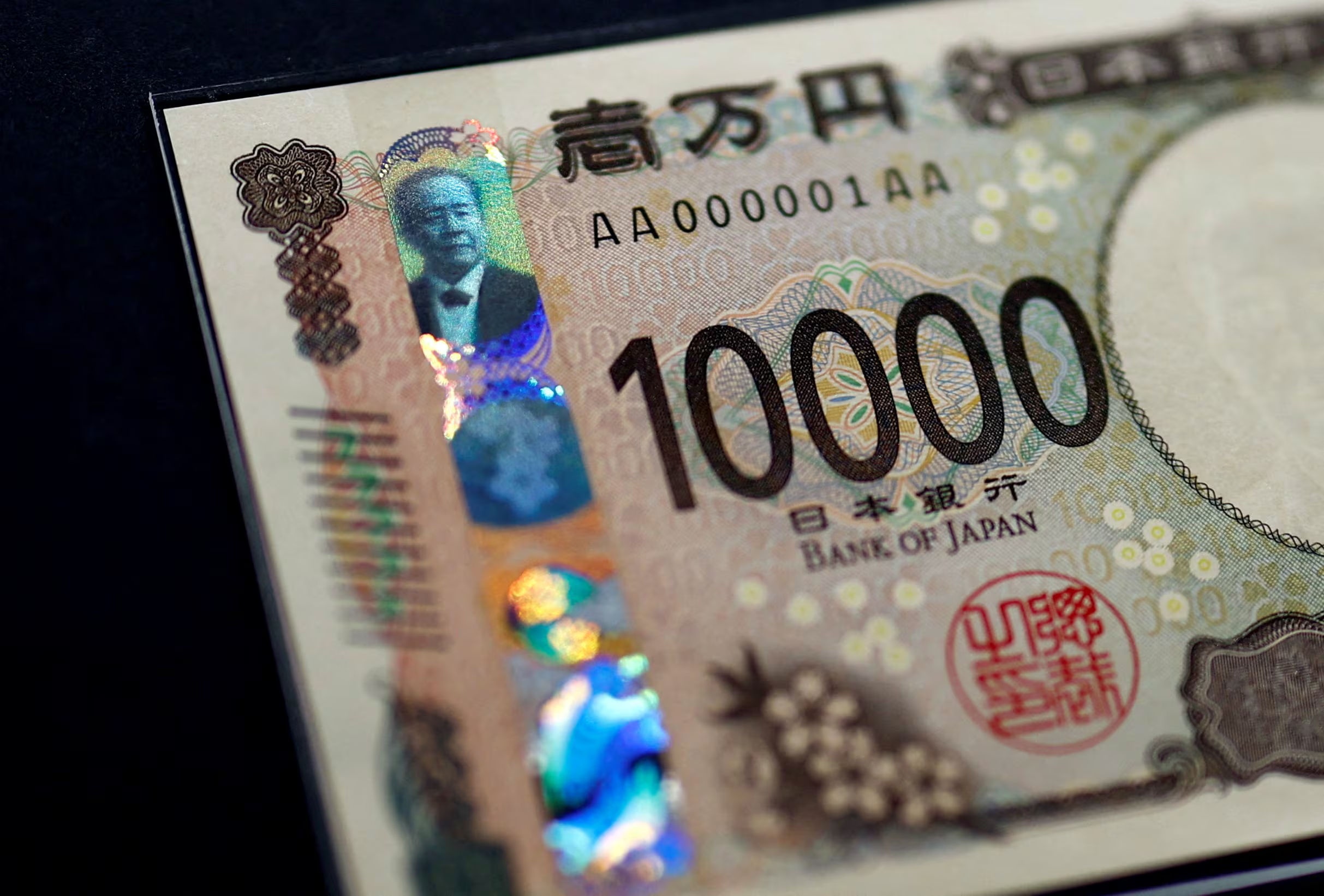
Asian currencies traded mixed on Wednesday as the U.S. dollar remained close to recent highs. Meanwhile, the Japanese yen weakened toward 158 per dollar as investors assessed the Bank of Japan’s policy outlook and fresh concerns over Japan’s fiscal position.
Higher oil prices and rising U.S. Treasury yields also weighed on regional currencies. Traders are now waiting for the Federal Reserve’s September meeting minutes and comments from several Fed officials for more clues on the next interest rate move.
U.S. Dollar Holds Near Recent Highs
The U.S. dollar index traded around 102.03, gaining approximately 0.2%.
The USD/JPY pair rose 0.2% to 158.38 as the yen remained under pressure.
Elsewhere, EUR/USD fell 0.2% to around 1.124, while GBP/USD also declined 0.2% to roughly 1.325.
The Australian dollar traded near $0.6973, while the New Zealand dollar stood around $0.5610.
Rising Oil Prices Support Treasury Yields
Oil prices climbed by as much as 1% to around $101.50 per barrel following increased attacks on tankers in the Strait of Hormuz.
The renewed geopolitical tension raised concerns over global energy supplies and pushed bond yields higher.
The benchmark 10-year U.S. Treasury yield increased by around three basis points to approximately 5.31%.
Higher oil prices can increase inflation risks, while elevated Treasury yields often strengthen the U.S. dollar and put pressure on Asian currencies.
Dollar Traders Await Federal Reserve Minutes
The dollar has faced some pressure recently after softer U.S. inflation and employment data reduced expectations for an October interest rate increase.
However, investors still expect the Federal Reserve to continue tightening monetary policy later in the year and potentially into 2027.
According to CME FedWatch data, the probability of at least a 25-basis-point rate hike in October fell to 20.5%, compared with roughly 51% a week earlier.
At the same time, markets were pricing an 84.5% probability of a December rate increase.
Fed Officials Could Provide New Rate Clues
The Federal Reserve is scheduled to release the minutes from its September 15-16 policy meeting later on Wednesday.
At that meeting, policymakers raised interest rates as part of their ongoing effort to bring inflation under control.
Several Fed officials, including Christopher Waller, Neel Kashkari and Alberto Musalem, are also expected to speak.
Kansas City Fed President Jeff Schmid said on Tuesday that further rate increases may still be necessary to bring inflation back toward the central bank’s target.
Japanese Yen Weakens as BOJ Considers Next Move
The Japanese yen remained weak, with USD/JPY trading around the mid-158 range.
New Bank of Japan board member Ayano Sato said she supports raising interest rates gradually and in several stages.
Reports also suggest that the BOJ could indicate this month that underlying inflation has broadly reached its 2% target.
Such a signal could strengthen expectations for another rate increase from the Japanese central bank.
Japan’s Fiscal Outlook Adds Pressure to the Yen
Despite the possibility of tighter BOJ policy, fiscal concerns continue to weigh on the yen.
DBS FX and Credit Strategist Chang Wei Liang said the Japanese currency could remain slightly weaker as the government considers another supplementary budget.
Markets may react cautiously because officials had previously suggested that an additional spending package was no longer necessary.
Instead, reserve funds were expected to be used mainly for natural disasters and other emergencies.
Indian Rupee in Focus Ahead of RBI Decision
The Indian rupee also faced pressure as oil prices remained above $100 per barrel.
USD/INR rose around 0.2% to 96.61.
The Reserve Bank of India is widely expected to raise interest rates by 25 basis points to 5.50%, which would mark its first increase since February 2023.
Investors will also closely monitor comments from RBI Governor Sanjay Malhotra for guidance on future monetary policy.
Higher Oil Prices Complicate India’s Outlook
DBS Senior Economist Radhika Rao said the economic environment has changed significantly since the RBI’s August meeting.
Oil prices above $100 and the Federal Reserve’s renewed tightening cycle have increased pressure on Indian policymakers.
The key question is whether the expected rate increase represents a simple adjustment following earlier cuts or the start of a broader tightening cycle.
DBS currently expects another rate hike in the fourth quarter, while further increases remain possible if oil prices stay elevated.
Asian Currency Markets Remain Mixed
Elsewhere in Asia, the offshore Chinese yuan weakened slightly.
USD/CNH rose 0.05% to 6.7043, while USD/CNY remained broadly unchanged at 6.7046.
USD/KRW edged down 0.01% to 1,337.85, while USD/SGD increased 0.12% to 1.2788.
The mixed performance reflects growing caution across regional foreign exchange markets as investors assess interest rates, oil prices and global economic risks.
Euro Faces Fresh Fiscal Concerns
The euro also came under pressure due to renewed concerns over European government finances.
French bond futures underperformed their German counterparts as investors evaluated France’s deficit outlook.
Political uncertainty in Spain, including concerns over a possible snap election, added further pressure to sentiment across the eurozone.
Asian Currency Outlook Remains Sensitive to Rates and Oil
Asian currencies are likely to remain sensitive to movements in the U.S. dollar, Treasury yields and oil prices.
The Federal Reserve’s next policy signals could play a major role in determining the dollar’s direction, while the Bank of Japan and Reserve Bank of India remain important drivers for the yen and rupee.
For now, higher energy prices, elevated bond yields and ongoing monetary policy uncertainty continue to create a challenging environment for regional currencies.