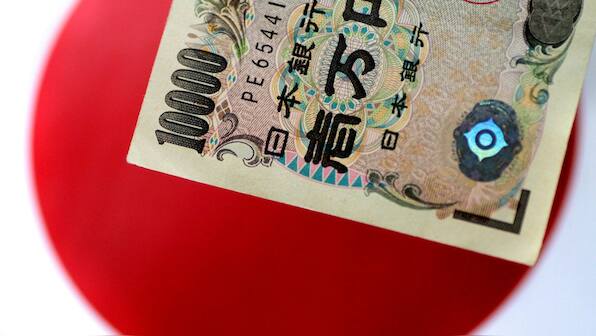
Japan Plans Bigger Pension Investment in Domestic Assets
Japan’s finance minister said on Friday that the government wants the country’s large state pension funds to significantly increase investment in domestic assets.
The comments sparked gains in both the Japanese yen and government bonds, as investors expected more pension capital to flow into Japanese markets.
GPIF Comes Into Focus
The announcement placed fresh attention on the Government Pension Investment Fund, known as GPIF.
GPIF is the world’s largest pension fund. It managed 293.6 trillion yen, or about $1.8 trillion, in assets at the end of March.
Because of its size, any change in GPIF’s investment strategy could have a major impact on both Japanese and global financial markets.
Finance Minister Signals Domestic Investment Push
Finance Minister Satsuki Katayama said the government wants to encourage pension funds, including GPIF, to invest much more in Japanese financial assets.
The prospect of more money flowing into yen-denominated bonds and other domestic assets was seen as a major potential boost for Japanese markets.
Yen and Japanese Bonds Rally
Investors reacted quickly to Katayama’s remarks.
The yen rose 0.6% to 161.44 per dollar, after recently falling to its weakest levels in around 40 years.
Japanese government bonds also rallied. Benchmark 10-year JGB yields posted their steepest drop in a month, falling 10 basis points to 2.775%.
Tokyo Looks for Market Stability
The move highlights Tokyo’s efforts to stabilize markets after sharp moves in the yen and bond yields.
Japan is facing pressure from expansive government spending, cautious Bank of Japan rate hikes, inflation concerns, and questions over the country’s fiscal outlook.
Weak Yen Pressures Policymakers
The yen’s long decline has become a major challenge for Japanese officials.
A weaker currency raises the cost of imported raw materials and adds pressure on households and businesses. Higher energy prices linked to the Iran conflict have added to those concerns.
Market analyst Fabien Yip of IG said Japan appears to be looking for ways to support the yen by encouraging more investment flows into domestic assets.
GPIF Portfolio Strategy Under Scrutiny
GPIF currently holds roughly equal allocations across domestic equities, foreign equities, domestic bonds, and foreign bonds.
During its 2020 review, the fund increased its foreign bond allocation to 25% from 15%. It also reduced its domestic bond allocation to 25% from 35%.
A GPIF spokesperson declined to comment directly on Katayama’s remarks.
Fund Says Portfolio Is Reviewed Regularly
The GPIF spokesperson said the fund’s current portfolio was designed to meet long-term investment targets set by the welfare minister while taking the minimum necessary risk.
The spokesperson added that the fund reviews its portfolio annually when appropriate.
Japan Seeks Growth-Driven Economy
Katayama said Japan is moving toward a new growth-led economy under Prime Minister Sanae Takaichi’s administration.
She also noted that Japan has entered a period of positive interest rates and higher stock markets.
According to Katayama, the government wants households to benefit more directly from gains created by economic growth.
Fiscal Policy Concerns Remain
The comments came as investors remained concerned about Japan’s expansionary fiscal policy.
There are also worries that political pressure could influence monetary policy. These concerns recently contributed to a selloff in Japanese government bonds and pushed yields to multi-decade highs.
Economic Blueprint in Focus
Concerns increased after the Takaichi government’s draft economic blueprint said it was important for monetary policy to be guided appropriately to support a stronger economy.
The final version of the economic blueprint is expected to be approved by the cabinet on July 21.