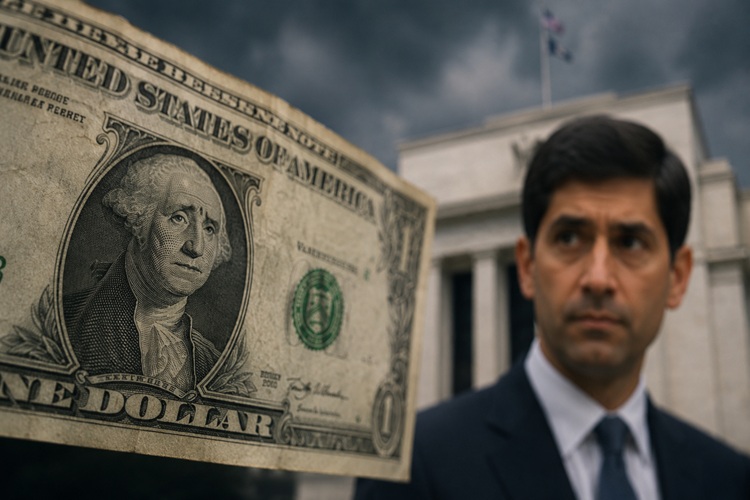
U.S. Dollar Rises After Hawkish Federal Reserve Signals
The U.S. dollar strengthened on Thursday as investors reacted to several developments surrounding the Federal Reserve’s latest monetary policy decision.
Markets interpreted the overall message as supportive of higher U.S. interest rates. This reinforced expectations that the Fed may need to maintain restrictive monetary policy for longer than previously anticipated.
The greenback gained against several major currencies after traders described the Federal Open Market Committee’s decision as more hawkish than expected. Investors also increased their bets on another interest rate hike later this year.
Although much of the initial attention focused on comments from Federal Reserve Chair Kevin Warsh, Citi analysts said the dollar’s advance was driven by three broader factors.
The Federal Reserve Delivered a Hawkish Message
The first major catalyst was the Federal Open Market Committee itself.
Investors had expected policymakers to maintain a cautious and largely non-committal position. However, the Fed’s statement and updated economic projections appeared more hawkish than markets had anticipated.
As a result, traders raised the probability of another U.S. interest rate increase this year. Short-term Treasury yields also moved sharply higher, providing additional support for the dollar.
Citi analysts suggested that the Federal Reserve may have adopted a firmer tone to demonstrate its independence during a period of increased political scrutiny.
Whatever the reason, the decision pushed U.S. interest rate expectations higher and strengthened demand for the dollar.
Before the meeting, investors remained uncertain about whether the Fed’s next move would be an interest rate cut or an increase. Following the announcement, markets assigned a greater probability to another rate hike.
This shift helped the U.S. currency gain ground against its major international counterparts.
Trump Avoids Criticising the Federal Reserve
The second supportive development came from President Donald Trump.
Following the Fed’s decision, Trump adopted a noticeably less critical tone toward the central bank than investors had become accustomed to hearing.
According to Citi, Trump’s acknowledgment that further interest rate increases remained possible reduced concerns that political pressure could limit the Fed’s ability to make independent policy decisions.
His remarks did not represent a direct endorsement of tighter monetary policy. However, traders viewed the lack of criticism as the removal of a possible obstacle to additional rate hikes.
This further strengthened the market’s hawkish interpretation of the Federal Reserve’s decision.
Warsh Postpones the AI Monetary Policy Debate
The third factor involved Warsh’s comments about artificial intelligence and its potential impact on Federal Reserve policy.
Rather than offering an immediate conclusion, Warsh said policymakers would wait for the results of a dedicated task-force review.
Citi analysts believe that the review may not be completed until the end of the year.
Investors interpreted the delay as reducing the likelihood of near-term policy changes based on AI-driven productivity improvements. Therefore, existing expectations for tighter monetary policy remained largely unchanged.
Citi had previously argued that any indication that another rate increase remained under serious consideration could produce a significant dollar rally.
Warsh stopped short of explicitly supporting a more aggressive monetary policy path. Nevertheless, his comments, combined with the hawkish FOMC outcome, were enough to push the dollar higher.
Analysts Warn Against Chasing the Dollar Rally
Despite the positive outlook, Citi analysts cautioned investors against immediately chasing the dollar’s advance.
Short-term interest rate markets have already experienced a substantial repricing since the Federal Reserve’s announcement. This could limit the scope for another immediate surge.
Seasonal conditions may also affect the currency market. Trading activity often becomes quieter during the summer, which can reduce liquidity and limit short-term volatility.
Investors will now watch whether the dollar can maintain its recent gains over the coming sessions.
Citi Sees Further Upside for the U.S. Dollar
Citi analysts believe the balance of risks still supports additional dollar strength.
However, this outlook could change if U.S. economic data deteriorates significantly or the Federal Reserve adopts a more dovish position before July.
For now, the bank believes the dollar has more potential upside than downside. The next key test will be whether market price action confirms that the currency has entered a sustainable breakout.