Yen Falls to 40-Year Low as Intervention Concerns Return
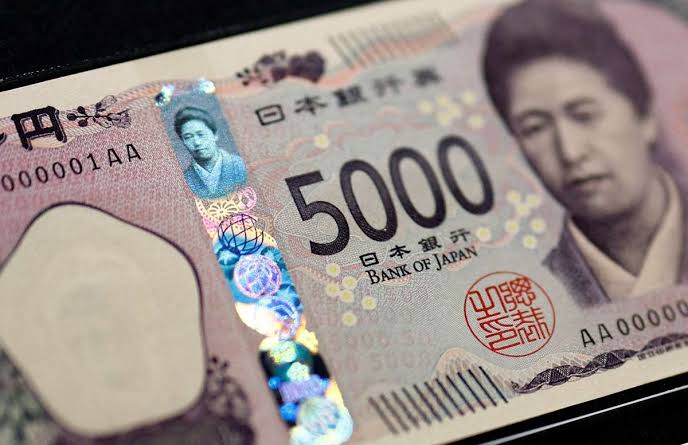
The Japanese yen weakened to its lowest level in four decades on Tuesday, raising fresh concerns that authorities could intervene in the currency market.
Meanwhile, stronger-than-expected Chinese manufacturing data helped stabilize the yuan and supported sentiment across Asian foreign exchange markets.
Most regional currencies traded within narrow ranges on the final session of the second quarter. The U.S. dollar also remained close to a 13-month high.
USD/JPY Climbs Above 162
The USD/JPY exchange rate rose 0.15% to 162.18 after reaching 162.41 earlier in the session.
That marked the yen’s weakest level against the dollar since 1986.
The move kept traders alert for another possible intervention by Japanese authorities.
Japanese Finance Minister Satsuki Katayama repeated that officials were prepared to respond to excessive currency volatility. However, she stopped short of issuing a stronger warning.
Yen Heads for Fourth Quarterly Decline
The yen is on course to lose around 2% during the second quarter.
This would mark its fourth consecutive quarterly decline.
Japan’s extremely low interest rates continue to place pressure on the currency. At the same time, U.S. borrowing costs remain elevated, making dollar-denominated assets more attractive.
Earlier intervention by Japanese authorities has provided only limited support.
China PMI Data Supports the Yuan
The Chinese yuan traded largely unchanged after official figures showed that manufacturing activity unexpectedly returned to growth in June.
The yuan edged up around 0.1% as investors welcomed signs of stronger factory output and improving business conditions in the world’s second-largest economy.
The currency was also broadly unchanged over the quarter.
Asian Economic Data Sends Mixed Signals
Economic releases from across Asia presented a mixed picture.
Japan’s industrial production increased by less than economists had expected.
The Philippines reported inflation within the central bank’s target range, alongside resilient trade figures.
Thailand also published industrial production data, while investors assessed India’s latest trade balance for further clues about regional economic growth.
South Korean Won Leads Regional Losses
The South Korean won was one of the weakest Asian currencies on Tuesday.
USD/KRW rose 0.5% as foreign investors sold Korean assets and secured profits following a strong quarter for the country’s stock market.
Shares linked to artificial intelligence and semiconductor companies had driven much of the recent equity rally.
USD/KRW has gained almost 3% during the quarter, reflecting the won’s decline against the dollar.
The Taiwan dollar was largely unchanged amid subdued regional trading.
Indonesian Rupiah Remains Under Pressure
The Indonesian rupiah also weakened, with USD/IDR rising 0.4%.
Continued foreign capital outflows and concerns surrounding Indonesia’s fiscal outlook weighed on investor sentiment.
The rupiah has been one of Asia’s weakest currencies this year because of persistent selling in local stock and bond markets.
Australian Dollar Slips Despite Hawkish RBA Minutes
USD/AUD rose 0.2%, indicating weakness in the Australian dollar.
The move came despite minutes from the Reserve Bank of Australia’s June meeting showing that policymakers remained prepared to raise interest rates if inflation risks increased.
Elsewhere, USD/INR gained 0.2%, while USD/SGD traded largely unchanged.
The Philippine peso, Malaysian ringgit and Thai baht also recorded modest declines against the dollar.
DBS Raises Singapore Growth Forecast
DBS increased its forecast for Singapore’s economic growth in 2026.
The bank now expects gross domestic product to expand by 4.3%, compared with its previous estimate of 2.8%.
DBS cited stronger exports linked to artificial intelligence, lower geopolitical risks and resilient domestic investment.
Dollar Steadies Ahead of U.S. Jobs Report
The U.S. Dollar Index rose 0.2% to 101.32.
Investors are now preparing for Thursday’s U.S. nonfarm payrolls report, which could influence expectations for Federal Reserve interest rates.
U.S. employment growth has exceeded forecasts for three consecutive months.
Continued strength in the labor market could encourage the Federal Reserve to keep interest rates elevated for longer.
U.S.-Iran Talks Remain in Focus
Investors also monitored developments surrounding possible negotiations between the United States and Iran.
Officials from both countries suggested that talks could resume in Doha this week.
However, Iran said that no formal meeting had been scheduled following renewed military exchanges over the weekend.
The uncertainty kept broader market risk sentiment cautious.
The dollar is set to gain around 1.4% during the second quarter after rising 1.6% in the first three months of 2026.