U.S. Dollar Extends Gains as Middle East Tensions Boost Safe-Haven Demand
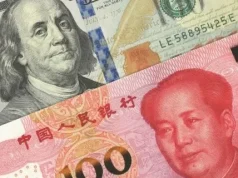
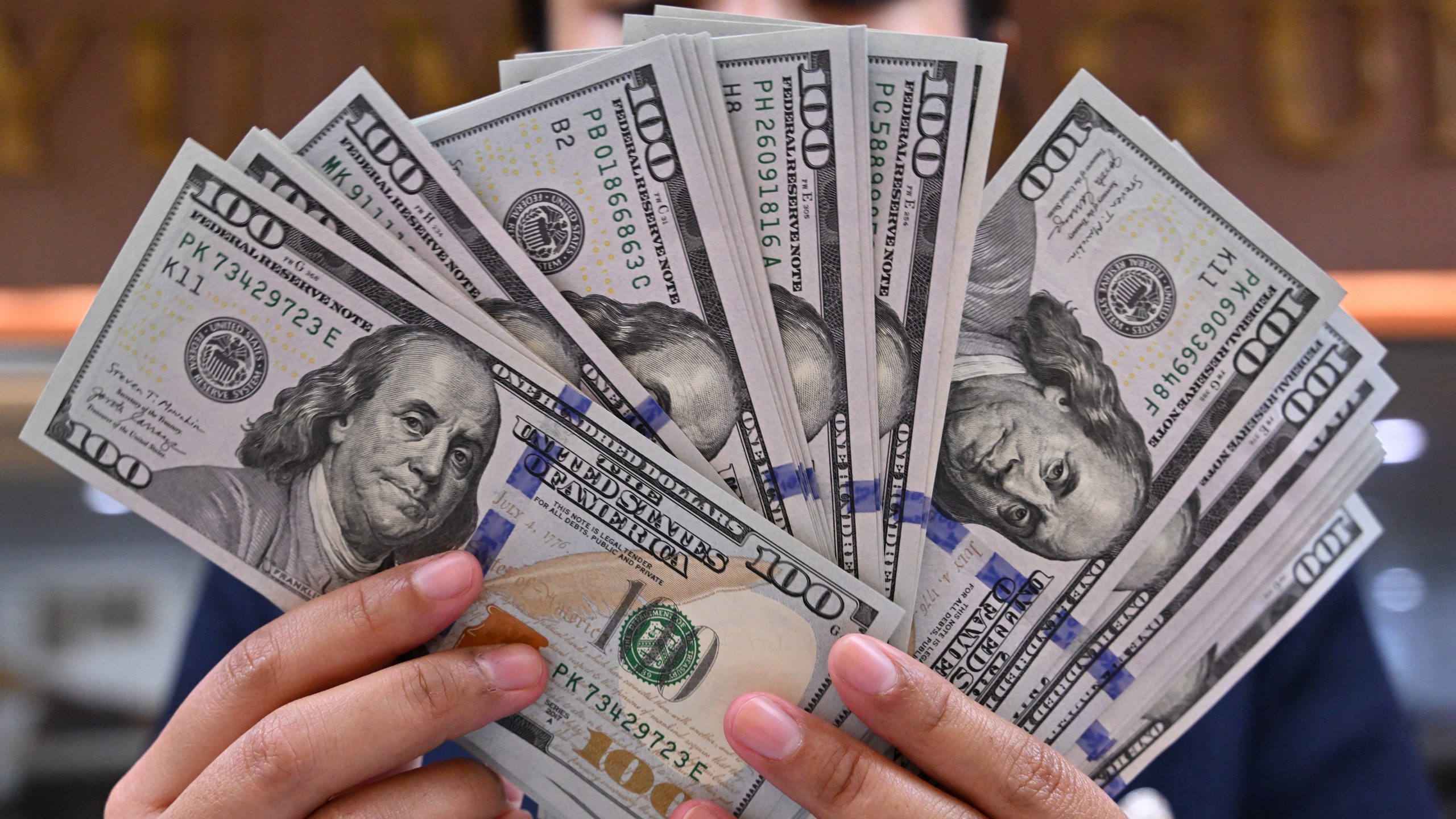
The U.S. dollar moved higher on Tuesday, continuing its recent upward momentum as investors turned to the currency’s traditional safe-haven appeal amid ongoing geopolitical tensions in the Middle East.
By 07:57 ET (11:57 GMT), the U.S. Dollar Index, which measures the greenback against a basket of major global currencies, climbed 0.3% to 98.26.
The dollar initially rallied in March as traders believed the United States, being a net energy exporter, could be better protected from the economic fallout of an energy crisis linked to the Iran conflict.
Although the currency later pulled back following the announcement of a ceasefire between the United States and Iran, fresh remarks from President Donald Trump have reignited concerns over whether the fragile agreement can survive.
Trump Comments Raise Concerns Over Ceasefire Stability
President Donald Trump criticized Iran’s reaction to a U.S. peace proposal, describing it as “unacceptable” and “a piece of garbage.” He also warned that the ceasefire was now “on life support,” increasing fears that tensions in the region could escalate once again.
Some analysts believe Trump’s upcoming visit to China and his expected meeting with Chinese President Xi Jinping could help ease the deadlock. China remains one of the largest importers of Iranian oil and could potentially play a key role in supporting a longer-term peace arrangement.
However, uncertainty surrounding the conflict continues to weigh heavily on global markets, especially as the Strait of Hormuz remains largely restricted for tanker traffic.
Oil Prices Rise Again Amid Supply Concerns
Crude oil prices surged once more as concerns over supply disruptions intensified. Brent crude futures rose 3.1% to $107.46 per barrel, while U.S. West Texas Intermediate crude futures gained 3.3% to reach $101.31 per barrel.
Oil prices have remained significantly above pre-conflict levels throughout much of the two-month-long crisis, increasing worries that elevated energy costs could trigger another wave of inflation and slow global economic growth.
Investors Focus on Key U.S. Inflation Data
Financial markets are now closely watching the latest U.S. consumer price index (CPI) report, which could heavily influence expectations surrounding Federal Reserve interest rate policy.
Economists expect headline inflation for April to rise to 3.7% year-over-year, up from 3.3% in March, largely driven by higher gasoline prices.
On a monthly basis, CPI is forecast to slow to 0.6% from the previous reading of 0.9%.
Meanwhile, core CPI — which excludes volatile food and energy prices — is projected to come in at 2.7% annually and 0.3% month-over-month, slightly above the previous month’s figures of 2.6% and 0.2%.
Federal Reserve Outlook Remains in Focus
The upcoming inflation figures could significantly impact the Federal Reserve’s approach to interest rates over the coming months, as controlling inflation remains one of the central bank’s primary policy objectives.
According to analysts at ING, the U.S. dollar’s direction may depend more on broader investor sentiment than on interest rate expectations alone.
“Global risk sentiment has remained a more dominant driver than short-term rate differentials,” ING analysts noted in a recent report.