US Dollar Strengthens as Middle East Peace Hopes Fade
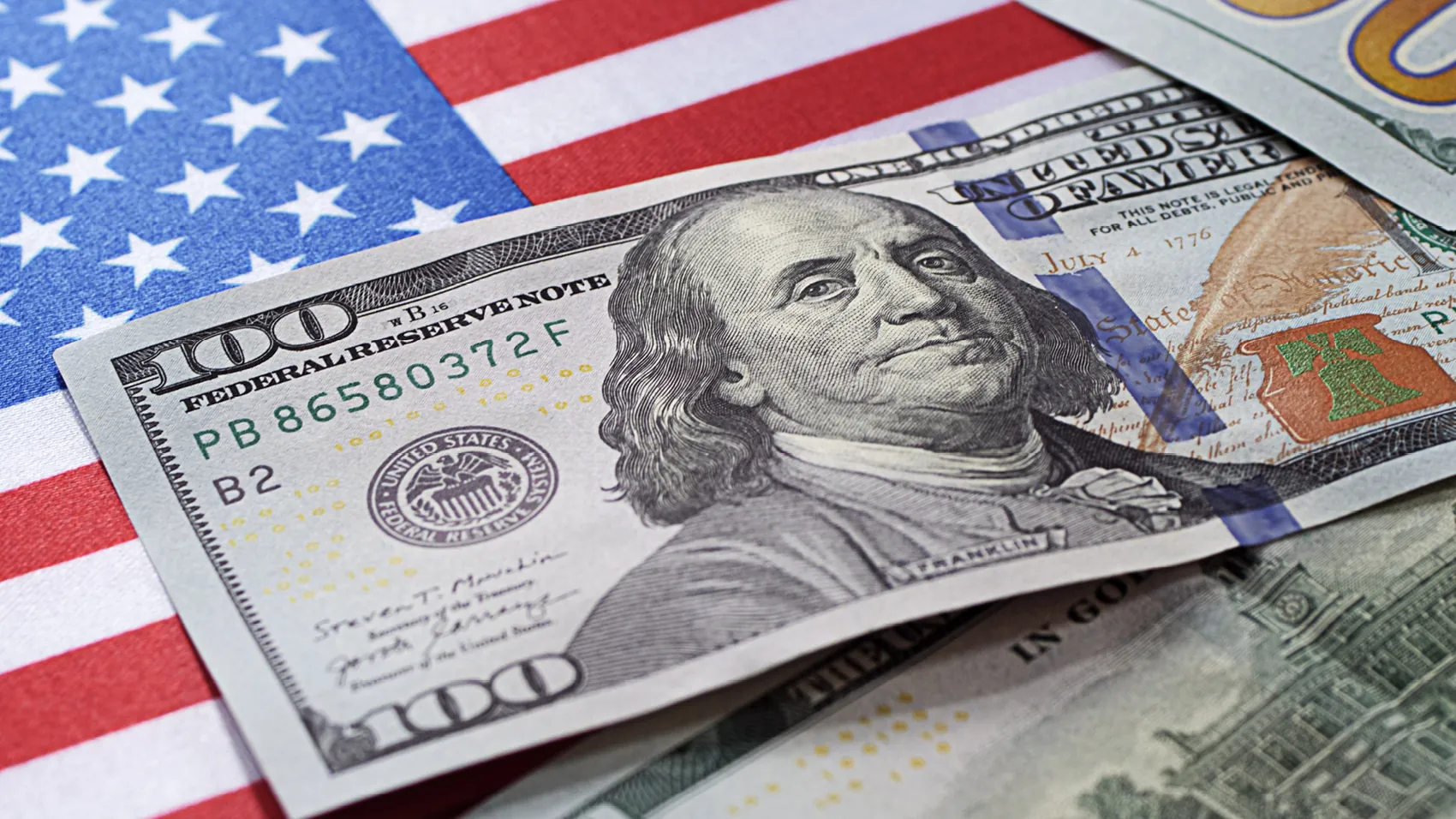
The U.S. dollar moved higher against major global currencies on Tuesday as fading hopes for a peace agreement in the Middle East pushed oil prices higher and increased concerns that interest rates could remain elevated for longer.
Investors are growing increasingly worried that the ceasefire between the United States and Iran, which has been in place since April 7, may be close to collapse. The conflict, which began in late February, has already disrupted key global energy routes and intensified geopolitical uncertainty.
Oil Prices Rise as Strait of Hormuz Remains Disrupted
Energy markets remained under pressure as the strategically important Strait of Hormuz continued to face severe disruptions.
Brent crude oil futures rose 0.6% to trade near $104.88 per barrel, while U.S. West Texas Intermediate crude climbed almost 0.9% to around $98.93 per barrel.
The ongoing supply concerns have fueled fears that rising energy costs could push inflation higher worldwide.
Trump Warns Iran Ceasefire Is on “Life Support”
President Donald Trump added to market uncertainty after warning that the ceasefire agreement with Iran was currently “on life support.”
The comments came after the latest exchanges between Washington and Tehran showed both sides remained deeply divided over several key issues related to a proposed peace agreement.
Markets are now increasingly concerned that diplomatic efforts could fail, potentially leading to renewed military escalation in the region.
Investors Shift Into Safe-Haven Assets
Currency markets adopted a more defensive tone as investors moved toward safer assets.
Attention is now turning toward Trump’s upcoming visit to China later this week, while traders also await a key U.S. inflation report expected later on Tuesday.
Meanwhile, U.S. Treasury Secretary Scott Bessent is holding meetings in Japan and South Korea as part of broader economic discussions in Asia.
The euro weakened against the U.S. dollar, while the British pound also moved lower. The U.S. Dollar Index rose 0.2%, reflecting broader dollar strength.
Analysts Say Markets Remain Cautious
Analysts noted that while the dollar initially surged after the conflict began, gains have become more volatile as investors weigh the possibility of either a diplomatic breakthrough or further escalation.
OCBC currency strategist Christopher Wong said Trump’s rejection of Iran’s latest response to the U.S. peace proposal helped support the dollar by keeping markets cautious.
However, Wong added that investors are not yet treating the situation as a full-scale financial panic, suggesting that markets may need to see a complete collapse in negotiations or fresh military action before reacting more aggressively.
US Inflation Data Becomes Main Market Focus
Investors are now closely focused on the upcoming U.S. Consumer Price Index (CPI) report.
Economists expect inflation to rise 0.6% in April after a sharp 0.9% increase in March, according to a Reuters survey.
A stronger inflation reading would likely reinforce expectations that the Federal Reserve will keep interest rates elevated for longer.
Before the Iran conflict escalated, traders had expected two U.S. rate cuts this year. Those expectations have now largely disappeared.
Commonwealth Bank strategist Sarah Hammoud warned that rising oil prices could spill over into broader inflation categories such as food and airline tickets, potentially pushing core inflation above expectations.
Yen Volatile as US and Japan Discuss Currency Markets
The Japanese yen traded unevenly after comments from U.S. Treasury Secretary Scott Bessent and Japanese officials following talks in Tokyo.
Bessent stated that the United States and Japan maintain close coordination regarding excessive currency volatility.
The remarks suggested that Washington broadly supports Japan’s recent efforts to stabilize the yen through currency market intervention.
Japan has been attempting to support its weakening currency, which has increased import costs and added pressure on the country’s economy.
Emerging Market Currencies Under Pressure
The stronger U.S. dollar continued to weigh on emerging market currencies.
Both the Indonesian rupiah and the Indian rupee fell to new record lows against the dollar during Tuesday’s trading session.
Meanwhile, the Australian dollar and New Zealand dollar also weakened, while Bitcoin slipped below the $81,300 level as risk appetite remained fragile.