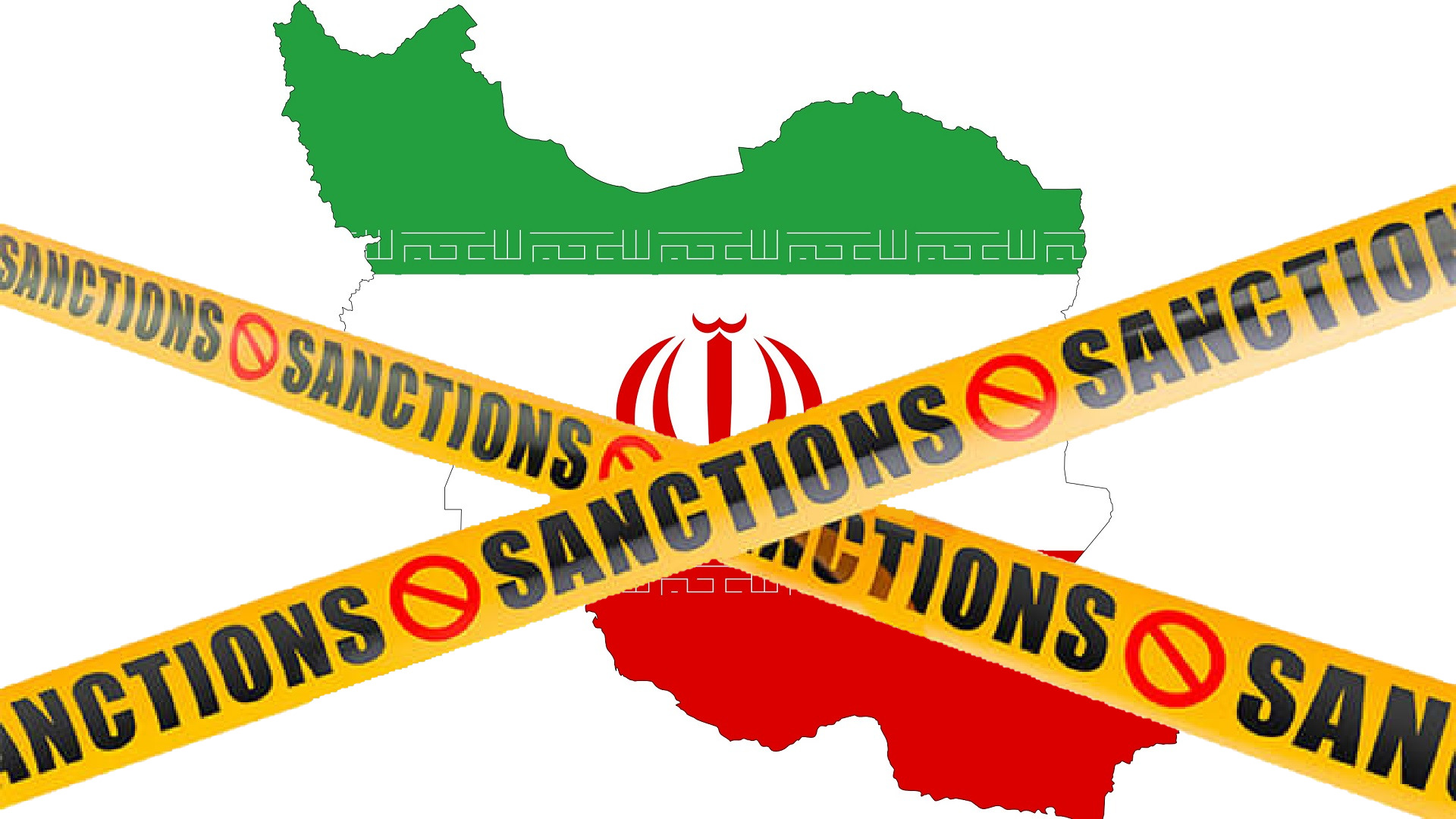
The United States is preparing a major new sanctions campaign against Iran, targeting countries and companies that continue doing business with Tehran.
Iran responded with a sharp warning, saying it could halt all oil exports from the Persian Gulf if Washington continues what Iranian officials have described as an economic war.
U.S. Prepares New Financial Offensive Against Iran
U.S. Treasury Secretary Scott Bessent is scheduled to hold a press conference at 1 p.m. EDT on Monday, where he is expected to provide details of the new sanctions.
Iran has faced extensive U.S. and international economic restrictions for decades, particularly since the 1979 Islamic Revolution.
In an opinion article published by the Financial Times on Sunday, Bessent described the upcoming measures as an unprecedented financial campaign designed to increase pressure on Tehran.
The measures are expected to focus not only on Iran itself, but also on countries and businesses that continue to support its economy and financial system.
U.S.-Iran Conflict Remains Unresolved
The United States and Iran have not carried out direct military strikes against each other for several weeks. However, meaningful negotiations to end the six-month conflict have also failed to materialize.
Thousands of people have reportedly been killed since U.S. and Israeli military operations against Iran began on February 28, with many casualties reported in Iran and Lebanon.
The attacks significantly weakened parts of Iran’s conventional military capabilities and damaged infrastructure across the country.
Iranian Supreme Leader Ayatollah Ali Khamenei was also reported killed during the conflict.
Despite those losses, Iran has maintained enough missile and drone capability to threaten neighboring Gulf countries and vessels operating around the Strait of Hormuz.
Strait of Hormuz Remains Critical for Oil Markets
Shipping through the Strait of Hormuz has slowed dramatically during the conflict, adding pressure to global energy markets.
The strategic waterway is one of the world’s most important routes for crude oil and liquefied natural gas exports.
Brent crude oil was trading near $91.50 per barrel, down around 1.3%, as markets continued to assess the risk of further disruptions.
The full condition of Iran’s nuclear program also remains uncertain. The United States and Israel have said one of their main objectives is to eliminate Tehran’s ability to develop nuclear weapons.
Washington Could Target Iran’s Trading Partners
Bessent has indicated that the new U.S. sanctions will extend beyond Iranian institutions.
Countries that continue engaging with Iran’s economy and financial system could also face consequences under Washington’s strategy.
The approach raises the possibility of secondary sanctions against governments, financial institutions and companies that continue doing business with Tehran.
Iran Threatens to Halt Gulf Oil Exports
Iran has been preparing for the new sanctions for several days and has issued increasingly strong warnings about possible retaliation.
Mohsen Rezaei, secretary of Iran’s Supreme National Security Council, warned that Tehran could respond economically if Washington intensifies its pressure.
Rezaei said Iran could prevent oil exports from moving through the Strait of Hormuz and other parts of the Persian Gulf if the economic confrontation continues.
He also warned that Iran could regard countries supporting Washington’s sanctions campaign as participants in the conflict.
China Could Become Central to U.S. Sanctions Strategy
China is expected to be a major focus of Washington’s sanctions strategy because of its economic and energy ties with Iran and the wider Gulf region.
Bessent has previously urged Beijing to cooperate with the United States, noting China’s significant dependence on Gulf oil imports.
A spokesperson for the Chinese Embassy in Washington rejected the use of sanctions and economic pressure, instead calling for diplomacy to resolve the conflict.
Any U.S. move targeting major Chinese companies or financial institutions could increase tensions between Washington and Beijing.
Iran’s Economy Faces Growing Pressure
Iran’s economy was already struggling under international sanctions before the latest conflict began.
The country entered the war facing high inflation, a weakening currency, energy shortages and deep structural economic problems.
Military attacks have created additional challenges by damaging infrastructure, disrupting trade and reducing production.
Iran must also deal with the growing cost of rebuilding damaged facilities.
Although Tehran continues to publicly resist U.S. pressure, Iranian officials have acknowledged that additional sanctions could worsen living conditions and increase domestic instability.
Further economic deterioration could also increase political pressure on the Iranian government.
Regional Powers Push for Diplomacy
Direct talks between the United States and Iran have remained limited.
The most recent official face-to-face negotiations reportedly took place in Switzerland in June.
In the absence of direct talks, several regional governments, including Qatar, Pakistan and Turkey, have attempted to promote diplomatic negotiations.
Pakistan’s army chief Asim Munir is expected to visit Tehran on Monday as part of Islamabad’s efforts to support regional peace and security.
Pakistan has played a mediation role during the conflict, and Munir is expected to discuss recent developments, including Washington’s latest sanctions threat.
Iran Sanctions Keep Middle East Risks Elevated
The conflict has already produced significant human and economic costs across the region.
U.S. and Israeli strikes on Iran, along with Israeli military operations in Lebanon, have reportedly killed thousands and displaced millions of people.
The United States has also reported 18 military personnel killed and more than 750 wounded during the conflict.
With Washington preparing tougher economic sanctions and Tehran threatening broader disruption to Gulf oil exports, tensions surrounding Iran and the Strait of Hormuz remain a major risk for global energy markets and the wider Middle East.