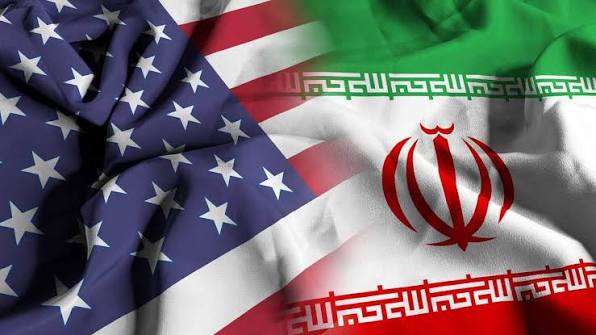
U.S. President Donald Trump said renewed negotiations with Iran were expected to begin this week.
The discussions are set to focus on reopening the Strait of Hormuz and addressing Iran’s nuclear programme. However, Trump did not provide a deadline for reaching an agreement.
Trump Says Talks Will Begin Monday
Speaking to reporters aboard Air Force One, Trump said negotiations were scheduled to begin on Monday afternoon.
He did not reveal where the talks would take place or which officials would participate.
Trump described an agreement as potentially close, saying the discussions would cover both the Strait of Hormuz and the eventual denuclearisation of Iran.
U.S. Military Action Remains Possible
Despite announcing the talks, Trump warned that the United States remained prepared to strike Iran.
He had cancelled a major military operation against the country over the weekend. According to Trump, discussions with Saudi Arabia, the United Arab Emirates, Qatar, and Iran convinced him to delay what he called a large-scale attack.
The decision marked another temporary reduction in tensions between Washington and Tehran.
Recent Attacks Weaken Ceasefire Efforts
The United States and Iran have exchanged strikes in recent weeks.
Those attacks weakened a ceasefire framework that the two countries had agreed to in June. Reports suggested that regional mediators were still working to preserve parts of the agreement.
However, the latest developments have left the future of the ceasefire uncertain.
Conflict Moves Between Escalation and Diplomacy
The confrontation now appears to be shifting repeatedly between military escalation and diplomatic engagement.
This pattern makes it difficult for investors, governments, and businesses to predict whether the situation will move towards peace or renewed conflict.
ING analysts said recent reports suggest Washington may now prefer negotiations over military action when dealing with Iran.
Iran Denies Agreeing to Reopen the Strait
Iran said on Sunday that it had not yet agreed to reopen the Strait of Hormuz.
Tehran also said its policy regarding the waterway had not changed.
Iran has effectively restricted passage through the strait for several months in response to U.S. military action. The disruption has contributed to higher oil prices and increased concerns about the global economy.
Why the Strait of Hormuz Matters
The Strait of Hormuz is one of the world’s most important energy shipping routes.
A significant share of global oil and gas exports passes through the narrow waterway.
Any prolonged disruption can reduce energy supplies, increase transportation costs, and place upward pressure on global inflation.
Reopening the strait could therefore provide relief to oil markets and reduce fears of a broader economic shock.
Iran Says Oman Talks Are Near Completion
Trump’s comments came shortly after Iranian Foreign Minister Abbas Araghchi said discussions with Oman were in their final stages.
Iran and Oman both border the Strait of Hormuz, giving Muscat an important role in regional negotiations.
Separately, Iranian Foreign Ministry spokesperson Esmail Baghaei said talks with Oman involved establishing an agreed transit route through the strait.
However, Iran has not confirmed that a broader agreement with the United States has been reached.
Regional Countries Play a Mediation Role
Saudi Arabia, the United Arab Emirates, Qatar, and Oman have all been involved in diplomatic efforts surrounding the conflict.
These countries have strong economic and security interests in preventing further escalation.
A wider regional war could threaten energy exports, shipping routes, investment, and economic stability across the Gulf.
Their involvement may therefore be important in keeping negotiations active.
Oil Prices Fall but Remain Elevated
Brent crude futures fell on Monday following signs that diplomacy could reduce the risk of further military action.
However, oil prices remained well above the levels recorded before the conflict began.
The market continues to react sharply to developments involving Iran, the United States, and the Strait of Hormuz.
Further progress in the negotiations could place additional pressure on oil prices. In contrast, renewed military threats or shipping disruptions could trigger another surge.
Outlook for U.S.-Iran Relations
The planned negotiations represent a possible opportunity to reduce tensions.
However, major disagreements remain over Iran’s nuclear programme, regional security, and access to the Strait of Hormuz.
Trump has continued to combine diplomatic offers with military warnings, while Iran has denied that a final agreement is already in place.
Until both sides confirm clear terms, the conflict is likely to remain unpredictable.
The outcome of Monday’s talks could determine whether the latest de-escalation develops into a lasting agreement or becomes another temporary pause in the confrontation.