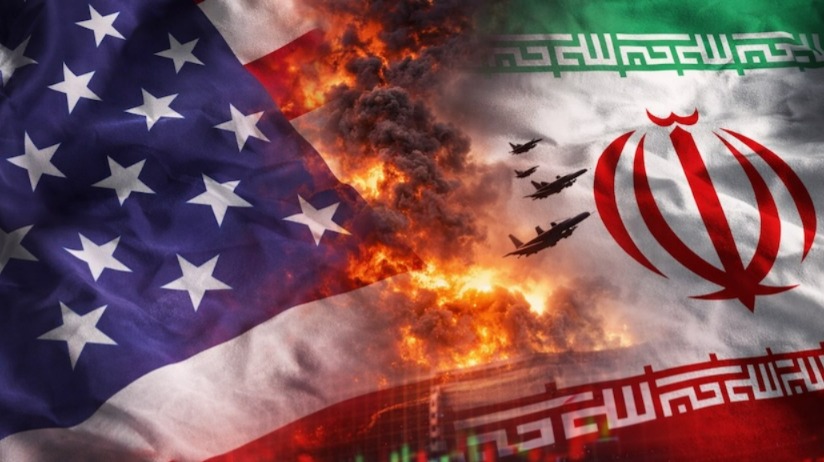
Tensions between Iran and the United States intensified again on Monday as Tehran outlined strict conditions for reopening the Strait of Hormuz. At the same time, U.S. President Donald Trump argued that mounting economic pressure could eventually force Iran back to the negotiating table.
Iran Sets Tough Conditions for Strait of Hormuz Reopening
Over the weekend, the secretary of Iran’s Supreme National Security Council reportedly presented a broad list of demands that Washington would need to meet.
The conditions reportedly include a permanent end to the war, the removal of the naval blockade, the lifting of all sanctions, the release of frozen Iranian assets and the payment of war reparations.
Iran also called for an end to threats and insults, as well as a halt to military action targeting Tehran’s regional allies.
The demands highlight the leverage Iran believes it holds in its prolonged conflict with the United States and Israel.
Strait of Hormuz Remains Critical for Global Energy Markets
Iran’s position suggests that it could continue to use access to the Strait of Hormuz as a major bargaining tool.
The waterway is one of the world’s most important energy routes, carrying roughly one-fifth of global oil and liquefied natural gas supplies.
Any prolonged disruption to tanker traffic could therefore have major consequences for crude oil prices, energy markets and the broader global economy.
Oman Talks Continue Despite Reduced Optimism
Iran’s Supreme National Security Council is also reportedly reviewing a draft agreement with Oman aimed at gradually reopening the strait.
According to reports, the proposed deal could include new shipping routes through the waterway.
Similar reports last week, combined with comments from U.S. officials, had raised expectations that an agreement might be close.
However, those hopes have weakened following Tehran’s latest demands.
Iranian Foreign Minister Abbas Araghchi said on Sunday that no direct negotiations with the United States were currently taking place. However, he confirmed that discussions with Oman were continuing.
Trump Says Economic Pressure Is Building on Iran
Trump said Washington is currently only “semi-negotiating” with Tehran and is allowing economic pressure to build.
He argued that Iran’s economy is facing severe difficulties as a result of the U.S. blockade and other economic restrictions.
Analysts have suggested that Iran’s willingness to make concessions will largely depend on how much economic pressure the government is prepared to tolerate in pursuit of its military and geopolitical objectives.
The longer the pressure continues, the greater the potential impact on Iran’s economy and its ability to maintain its current position.
Oil Prices Rise as Hormuz Risks Persist
Energy markets remain highly sensitive to developments surrounding the Strait of Hormuz.
Brent crude traded near $84.89 per barrel, gaining around 1.6% as investors continued to monitor the risk of further shipping disruption.
Natural gas prices also moved higher, reflecting broader concerns about potential supply constraints.
Any escalation in the region could increase volatility across oil, gas and global financial markets.
Iran Comments on New Regional Defense Pact
Elsewhere on Monday, Iran’s Foreign Ministry spokesperson Esmaeil Baghaei addressed a new defense agreement involving Pakistan, Turkey and Saudi Arabia.
Baghaei said Tehran was not concerned that the pact could be directed against Iran.
The agreement, signed on Friday, has been viewed as a possible early step toward reshaping the Middle East’s regional security framework.
According to Baghaei, the pact shows that regional countries are increasingly looking to strengthen their own defense capabilities rather than depend heavily on outside powers.
He added that any regional security arrangement must reflect the geopolitical realities of the Middle East and include the major players involved.
Iran-U.S. Tensions Keep Markets on Alert
The latest developments suggest that a quick diplomatic breakthrough remains uncertain.
Iran continues to demand significant concessions, while the United States appears determined to rely on economic pressure rather than make major compromises.
For financial markets, the key focus remains the Strait of Hormuz.
Any progress toward reopening the waterway could ease pressure on oil prices. However, renewed escalation could quickly push energy prices higher and increase volatility across global markets.