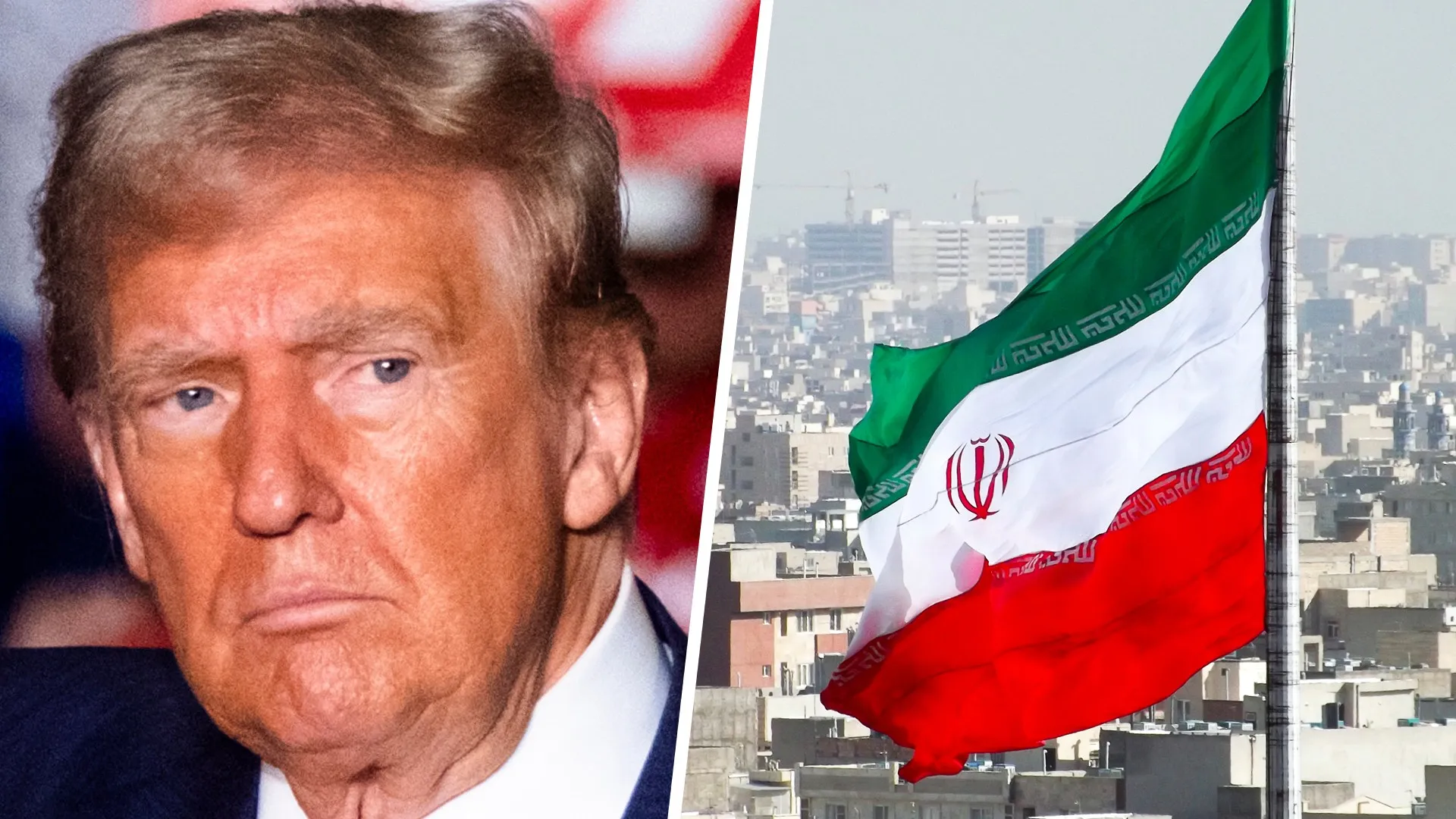
U.S. President Donald Trump said on Tuesday that there are currently no negotiations taking place between Washington and Tehran, adding that no new talks have been scheduled.
At the same time, Trump claimed that the Strait of Hormuz remains open and operational, despite conflicting statements from Iranian officials and ongoing disruption to shipping traffic.
Trump Says U.S.-Iran Talks Are Not Taking Place
In a social media post, Trump said there are no active discussions with Iran and no diplomatic meetings currently planned.
He also said the naval blockade of Iranian ports remains in place.
The comments suggest that diplomatic channels between the two countries remain effectively frozen as tensions continue across the Middle East.
Trump Claims Strait of Hormuz Is Open
Despite the lack of negotiations, Trump said the Strait of Hormuz is open and functioning.
He added that water mines in the strategic shipping route had either been removed or destroyed.
The strait is one of the world’s most important energy transit routes. Before the conflict escalated in late February, roughly one-fifth of global oil and liquefied natural gas supplies moved through the waterway.
However, Iran has presented a very different account of the situation.
Iran Rejects Claims of Back-Channel Talks
Iranian officials previously denied Trump’s suggestion that Washington had established a back channel with Iran’s Islamic Revolutionary Guard Corps.
Mohammad Bagher Ghalibaf, Iran’s parliament speaker and a senior negotiator, has also said the Strait of Hormuz will remain closed until the United States meets several conditions.
According to statements cited by multiple media outlets, Iran is demanding that Washington lift the naval blockade, release frozen assets, remove oil sanctions and halt military operations.
Ghalibaf said the waterway would remain closed until those conditions and other requirements are fulfilled.
Ceasefire Framework Expires
The temporary agreement between the two sides, known as the Memorandum of Understanding, expired on Monday.
The deal had been signed in June and was intended to provide a temporary framework for reducing tensions.
Its expiration has once again increased uncertainty over the direction of the U.S.-Iran conflict and the future of the Strait of Hormuz.
Recent weeks have been marked by repeated periods of escalation followed by temporary de-escalation, with neither side able to reach a lasting agreement.
Iran Signals More Aggressive Military Posture
Iran has reportedly indicated that it could shift toward a more offensive military strategy.
A senior Iranian official told Reuters that authorities should prepare for further escalation in the Strait of Hormuz and across the broader region.
The conflict began after a joint U.S.-Israeli military assault in late February.
The latest rhetoric suggests that the risk of renewed military escalation remains high.
Shipping Through Strait of Hormuz Remains Disrupted
Shipping activity through the Strait of Hormuz has slowed sharply as tanker operators and shipping companies remain concerned about possible attacks.
The United Kingdom Maritime Trade Operations agency reported on Tuesday that a vessel traveling out of the strait was struck by an unidentified projectile.
The incident reportedly damaged the ship’s engine room and resulted in a crew casualty.
Such incidents continue to raise concerns over the safety of one of the world’s most critical trade and energy corridors.
Brent Crude Climbs Above $90
Brent crude futures moved above $90 per barrel as investors reacted to the growing uncertainty.
Higher oil prices have revived concerns that energy costs could fuel another increase in inflation.
That, in turn, could make it more difficult for central banks to ease monetary policy.
U.S. government bond yields also moved higher, with the 30-year Treasury yield reaching its highest level in more than two decades.
Investors Remain Skeptical About a Quick Resolution
Market participants remain doubtful that the Strait of Hormuz will fully reopen in the near term.
Deutsche Bank analysts noted that investors have become increasingly pessimistic because Washington and Tehran remain far apart on the conditions required for an agreement.
The combination of stalled diplomacy, disrupted shipping and elevated oil prices continues to create uncertainty for global markets.
Until either side signals a willingness to compromise, the Strait of Hormuz and the broader U.S.-Iran conflict are likely to remain major sources of geopolitical and financial-market risk.