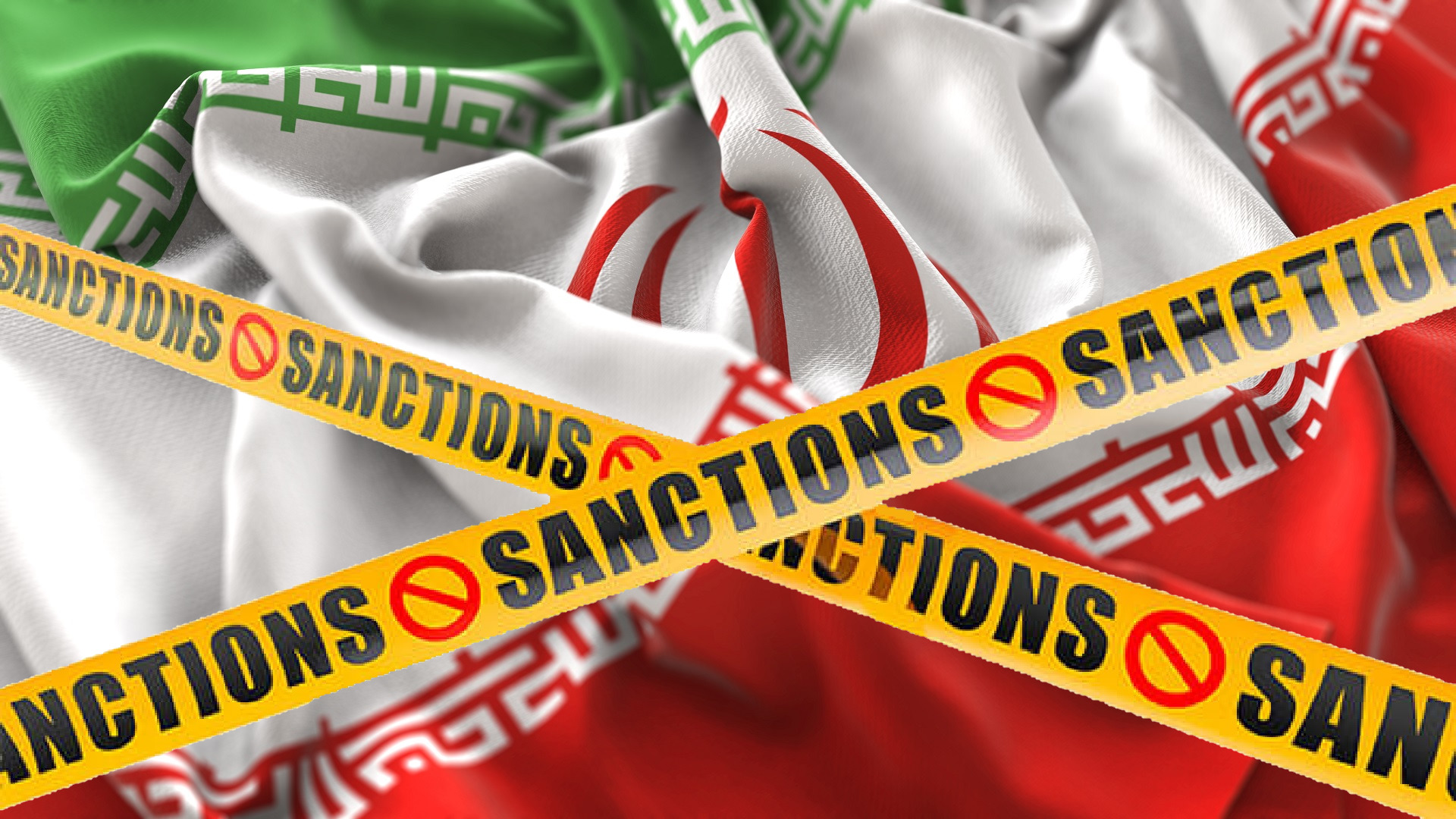
Iranian Foreign Minister Abbas Araghchi has rejected U.S. President Donald Trump’s threat to launch a new wave of economic sanctions against Iran.
Araghchi argued that Washington is trying to shift attention away from domestic economic problems, including rising debt and higher interest costs.
Iran Pushes Back Against Trump’s Economic Threat
In a social media post on Thursday, Araghchi criticized the White House’s strategy toward Iran.
He said the United States was doubling down on policies that had already failed and suggested that additional pressure would not produce the outcome Washington wants.
His comments followed Trump’s warning that the United States plans to impose tougher economic restrictions on Iran.
Trump Threatens Unprecedented Economic Pressure
Trump said Washington is preparing a major campaign of economic pressure against Tehran as tensions over the Strait of Hormuz continue.
He also warned that countries doing business with Iran could face significant economic consequences.
However, the White House has not yet provided full details on what the new measures could include.
Trump described the planned campaign as an unprecedented effort to economically isolate Iran and called on U.S. allies to support the initiative.
Trump Calls for Allied Support Against Iran
The U.S. president said Iran remains under heavy pressure after months of confrontation with Washington.
He urged allied countries to join the United States in increasing economic isolation of Tehran.
Trump also repeated Washington’s position that Iran must not be allowed to obtain a nuclear weapon.
Despite the strong rhetoric, it remains unclear how much further the United States can tighten restrictions.
Iran is already subject to extensive U.S. sanctions, particularly on its oil sector, while access to its ports has also been heavily restricted.
Strait of Hormuz Standoff Continues
The dispute over the Strait of Hormuz remains unresolved.
Iran has said the critical shipping route will remain closed until the United States complies with the terms of an interim agreement reached in June.
That agreement expired earlier this week, and neither side has shown clear signs of being ready to renew it.
The continuing standoff is keeping geopolitical risks elevated across global energy markets.
U.S. May Shift Toward Long-Term Economic Pressure
Reports suggest that the Trump administration may be reconsidering its strategy toward Iran.
Rather than relying primarily on further military operations, Washington could increasingly focus on a longer-term campaign of financial sanctions, trade restrictions and broader economic pressure.
Such a shift could prolong tensions even if direct military activity decreases.
Tanker Traffic Through Hormuz Remains Limited
Shipping activity through the Strait of Hormuz has slowed sharply amid the continuing confrontation.
Tanker traffic has reportedly fallen to very low levels despite U.S. statements that the waterway remains open.
Before the conflict intensified in late February, roughly 20% of the world’s oil and liquefied natural gas moved through the Strait of Hormuz.
That makes any prolonged disruption a major risk for global energy supplies and oil prices.
Oil Markets Remain Exposed to Iran Tensions
With the Hormuz dispute unresolved and new U.S. sanctions potentially on the way, energy markets remain highly sensitive to developments between Washington and Tehran.
Any additional restrictions on Iranian oil exports or further disruption to shipping could place renewed upward pressure on crude prices.
For now, both sides remain firmly opposed, while investors continue to watch for more details on Trump’s planned economic measures and any potential breakthrough over the Strait of Hormuz.