Tanker traffic through the Strait of Hormuz has slowed as uncertainty continues over the status of the key shipping route during the Iran war, according to shipping data cited by Reuters.
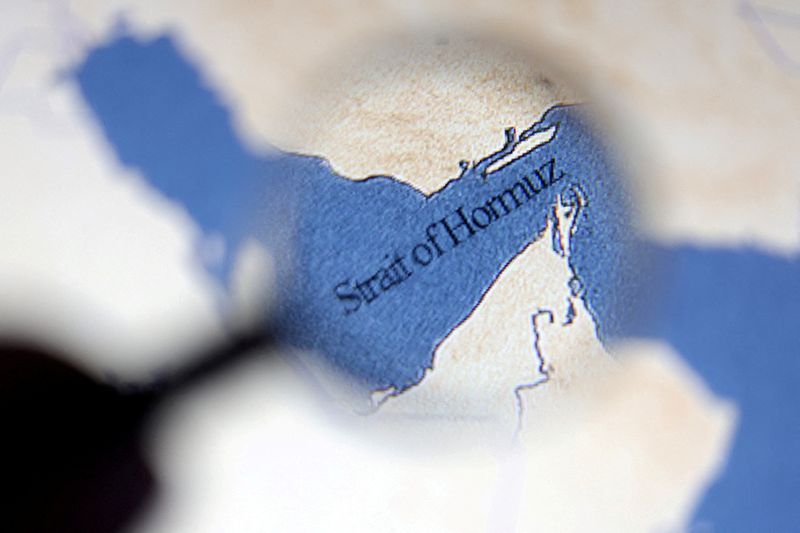
The strait is one of the world’s most important energy corridors, making any disruption a major concern for oil markets, global trade and inflation.
Hormuz Shipping Traffic Falls Below Recent Average
Six commodity vessels passed through the Strait of Hormuz on Tuesday, according to Kpler data cited by Reuters.
That was down from nine vessels on Monday and below the 10-day daily average of 11 ships.
The decline highlights continued caution among shipping operators as conflicting statements from the United States and Iran create uncertainty over whether the waterway is fully open.
US and UAE Discuss Freedom of Navigation
U.S. Secretary of State Marco Rubio reportedly discussed Gulf security with UAE National Security Adviser Sheikh Tahnoon bin Zayed Al Nahyan.
According to Al Jazeera, both officials emphasized the importance of maintaining freedom of navigation through the Strait of Hormuz.
The shipping route has become a major focus for global markets because of its importance to energy supplies.
Before the latest Middle East conflict began, roughly one-fifth of global oil and liquefied natural gas supplies passed through the strait.
Trump Says Strait of Hormuz Is Open
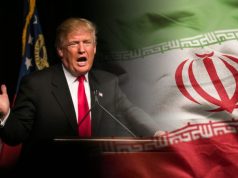
U.S. President Donald Trump said on Tuesday that there were currently no talks or scheduled negotiations with Tehran.
He also said the U.S. naval blockade of Iranian ports remained in effect.
However, Trump maintained that the Strait of Hormuz was open and operating. He also said water mines in the area had either been removed or detonated.
Iranian officials have disputed several U.S. claims about the situation.
Iran Says Strait Will Remain Closed
Iranian parliament speaker and senior negotiator Mohammad Bagher Ghalibaf said the Strait of Hormuz would remain closed until Washington meets several Iranian conditions.
These demands include ending the naval blockade of Iranian ports, unfreezing Iranian assets, removing oil sanctions and stopping military operations.
According to Ghalibaf, the strait will not reopen until these and other conditions are fulfilled.
Iranian officials have also rejected suggestions that Washington has established a back channel with Iran’s Islamic Revolutionary Guard Corps.
Ceasefire Framework Expires
Tensions have repeatedly shifted between escalation and temporary easing in recent weeks.
An interim agreement signed in June, known as the Memorandum of Understanding, expired on Monday without a broader peace settlement.
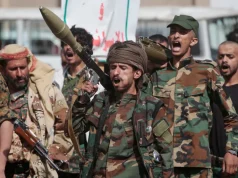
Iran has reportedly indicated that it may move toward a more aggressive military posture.
A senior Iranian official told Reuters that Iranian entities should be prepared for greater tensions in the Strait of Hormuz and across the wider region.
Brent Oil Rises Above $91
Oil prices have responded to the renewed uncertainty.
Brent crude futures rose around 0.3% to $91.30 per barrel on Wednesday, continuing their recent advance.
The rise in crude prices is adding to concerns that prolonged disruption in the Strait of Hormuz could trigger another wave of energy-driven inflation.
Higher oil prices can increase transportation and production costs across the global economy, making developments in the region particularly important for central banks and financial markets.
Strait of Hormuz Remains Key Risk for Oil Markets
The ongoing disagreement between Washington and Tehran has left the status of the Strait of Hormuz uncertain.
Shipping traffic is already running below its recent average, while oil prices remain elevated.
Investors will continue to monitor vessel movements, diplomatic developments and military activity for signs that the situation is either improving or moving toward another escalation.