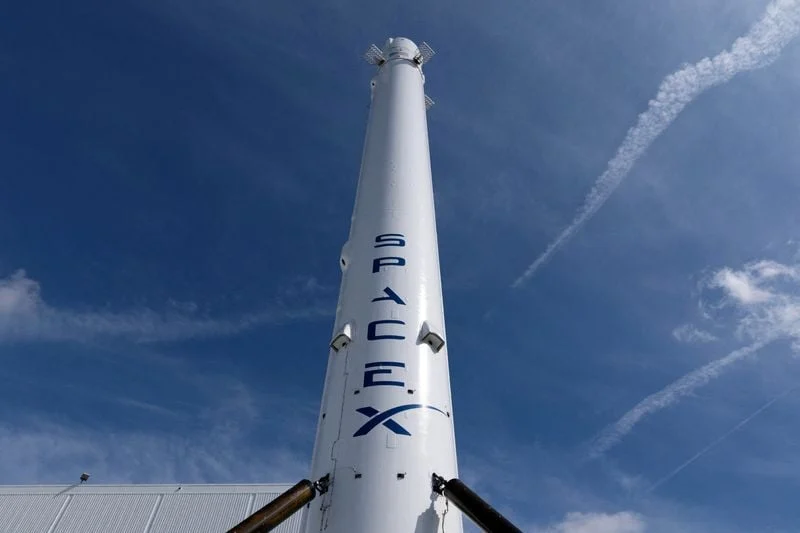
SpaceX Nears $3 Trillion Valuation After Record-Breaking IPO
SpaceX shares extended their post-IPO rally on Tuesday, bringing the rocket and satellite company close to a $3 trillion market valuation.
The stock had already gained more than 19% during its first two trading sessions. Strong investor demand continued after SpaceX completed the largest initial public offering in history last week.
SpaceX Stock Extends Its Post-IPO Surge
SpaceX ended its Nasdaq debut on Friday with a market capitalization of approximately $2.1 trillion.
The shares then climbed another 19.6% on Monday, closing at $192.50.
The rally continued shortly after Tuesday’s market open, with SpaceX stock jumping more than 9%. By 9:36 a.m. ET, the shares traded near $210, giving the company a market value of roughly $2.75 trillion.
SpaceX Briefly Surpasses $3 Trillion
SpaceX shares traded as high as $229.40 following Monday’s closing session.
At that price, the company’s indicated market capitalization briefly exceeded $3 trillion. The milestone placed SpaceX ahead of Microsoft and made it the world’s fourth-largest publicly listed company.
Only Alphabet, Apple and Nvidia held larger market valuations at the time.
Investors Back Elon Musk’s Space Ambitions
Investor enthusiasm has been driven partly by CEO Elon Musk’s long-term plans for SpaceX.
These ambitions include sending further missions to the Moon and Mars, dramatically expanding the company’s satellite network and building artificial intelligence data centers in space.
However, SpaceX entered the public market at a valuation equal to approximately 90 times its annual revenue. The high multiple reflects investors’ expectations for rapid future growth.
Musk Sees the IPO as a New Growth Phase
Speaking during a JPMorgan Chase livestream before the listing, Musk said SpaceX had generated positive cash flow since around 2015.
He also described the IPO as the beginning of a major new growth phase for the company.
Among the projects outlined by Musk was a plan to deploy more than 100,000 satellites for global communications. SpaceX also intends to develop orbital infrastructure capable of supporting AI computing and data centers.
Starlink Remains SpaceX’s Most Valuable Business
Starlink, SpaceX’s satellite communications division, was the company’s only profitable segment during 2025.
The unit is widely considered SpaceX’s most valuable operating asset because of its expanding subscriber base and recurring revenue model.
Starlink’s performance could play a central role in determining whether SpaceX can support its elevated valuation over the longer term.
Jefferies Sees Major Growth in the Space Economy
Jefferies analysts outlined the investment case for the wider space sector in a report republished to coincide with the SpaceX IPO.
The firm argued that space has become a strategically important industrial sector. It expects public policy, national security priorities and competition between the United States and China to shape future investment returns.
Jefferies estimated that the global space economy is currently worth around $600 billion. The market could triple to approximately $1.8 trillion by 2035.
Defense is expected to become the fastest-growing category within the sector.
US Government Spending Supports SpaceX
The United States accounts for approximately 60% of government spending on space worldwide.
Annual US spending is estimated at around $80 billion, exceeding the combined total of other countries. China, by comparison, spends approximately $20 billion in nominal terms.
The US Space Force budget increased by 40% year over year in fiscal 2026. Spending climbed to approximately $40 billion, partly because of the Golden Dome missile defense program.
That figure was significantly higher than NASA’s budget of around $24 billion.
SpaceX Benefits From Federal Contracts
Jefferies analysts said the US government has effectively outsourced a large share of its space operations to SpaceX.
As a result, the company’s financial outlook is closely linked to federal spending priorities in defense, communications and space infrastructure.
SpaceX ranked as NASA’s second-largest commercial contractor by the amount of money received, behind only Caltech.
The company secured approximately $2.1 billion in NASA contracts during 2025. These agreements covered launch services, communications systems and information technology infrastructure.