Gold Prices Rise as Iran Peace Hopes Reduce Rate Hike Fears
Gold prices moved higher on Tuesday as falling oil prices eased concerns about inflation and further interest-rate increases.
The shift followed the announcement of an interim peace agreement between the United States and Iran, which raised hopes that global energy supplies could begin returning to normal.
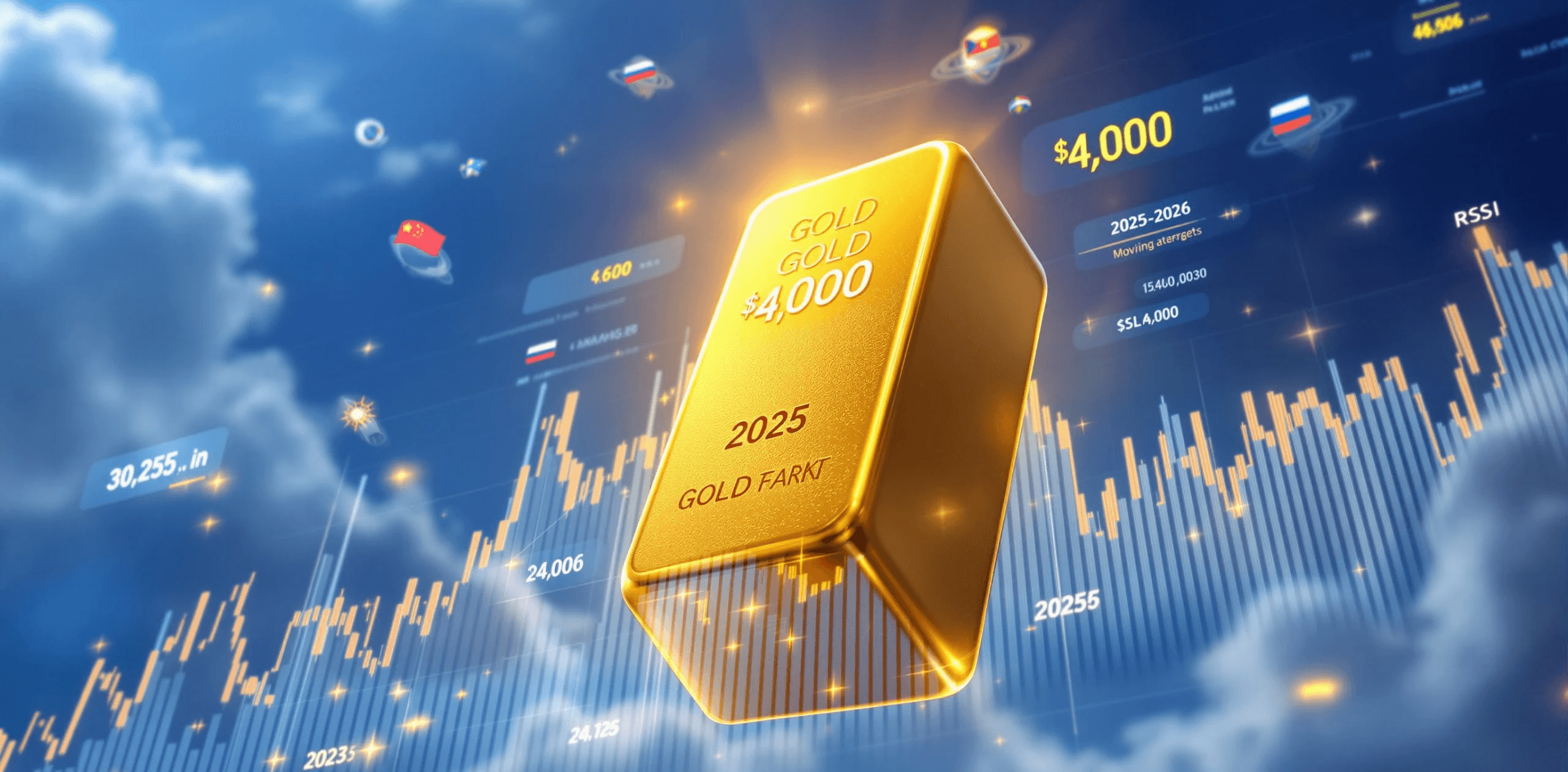
By 9:29 a.m. ET, spot gold had gained 0.6% to trade at $4,335.27 per ounce. Meanwhile, gold futures rose 0.1% to $4,354.75 per ounce.
U.S.-Iran Deal Supports Gold Prices
Gold gained more than 2% on Monday after Washington and Tehran announced a preliminary agreement aimed at ending their conflict.
The deal also included plans to reopen the Strait of Hormuz, a critical shipping route for global oil supplies.
The prospect of renewed oil flows through the waterway pushed crude prices lower. In turn, this reduced fears that an energy-driven inflation surge would force central banks to raise interest rates further.
Gold does not generate interest. Therefore, the precious metal often struggles when borrowing costs and bond yields remain elevated.
Weaker Dollar Provides Additional Support
Improving investor sentiment also placed some pressure on the US dollar.
The greenback had attracted safe-haven demand during the Middle East conflict. Investors also viewed the United States as relatively protected from an oil supply shock because of its position as a major energy producer.
However, the US Dollar Index traded slightly lower against a basket of major currencies on Tuesday. A weaker dollar can make gold more affordable for buyers using other currencies.
ING Sees Continued Dollar Strength
Despite the decline in oil prices, ING analysts argued that the fundamental outlook for the dollar remains relatively strong.
Solid US economic data and the possibility of further Federal Reserve interest-rate increases continue to support the currency.
ING noted that the dollar had already recovered most of the losses recorded immediately after the U.S.-Iran agreement. This rebound occurred even as oil prices fell sharply.
According to the bank, foreign exchange markets appear to be shifting their attention away from crude oil and back toward central bank policy.
Federal Reserve Decision Takes Center Stage
The Federal Reserve’s latest policy announcement on Wednesday remains the main focus for financial markets.
Economists broadly expect the central bank to keep interest rates unchanged. Therefore, investors will pay close attention to new Fed Chair Kevin Warsh’s first post-meeting press conference.
His comments could provide clues about inflation, economic growth and the likelihood of future rate increases.
Rate Hike Expectations Ease After Peace Deal
Expectations for another Federal Reserve rate hike this year have declined since the interim U.S.-Iran agreement was announced.
According to the CME FedWatch Tool, the probability of a rate increase by December fell to 58% from approximately 70%.
Lower rate-hike expectations generally support gold because they reduce the opportunity cost of holding non-yielding assets.
However, any hawkish signal from the Fed could strengthen the dollar and place renewed pressure on bullion.
Global Central Banks Remain in Focus
Investors are also monitoring several other major central bank decisions this week.
The Bank of Japan raised its short-term policy rate by 25 basis points to 1.0%. This marked the highest Japanese interest rate in 31 years.
The widely expected move formed part of the central bank’s gradual effort to normalize monetary policy and contain inflation.
Meanwhile, the Reserve Bank of Australia kept its cash rate unchanged at 4.35%. The decision followed three consecutive interest-rate increases.
These policy developments could continue to influence gold prices, bond yields and global currency markets throughout the week.