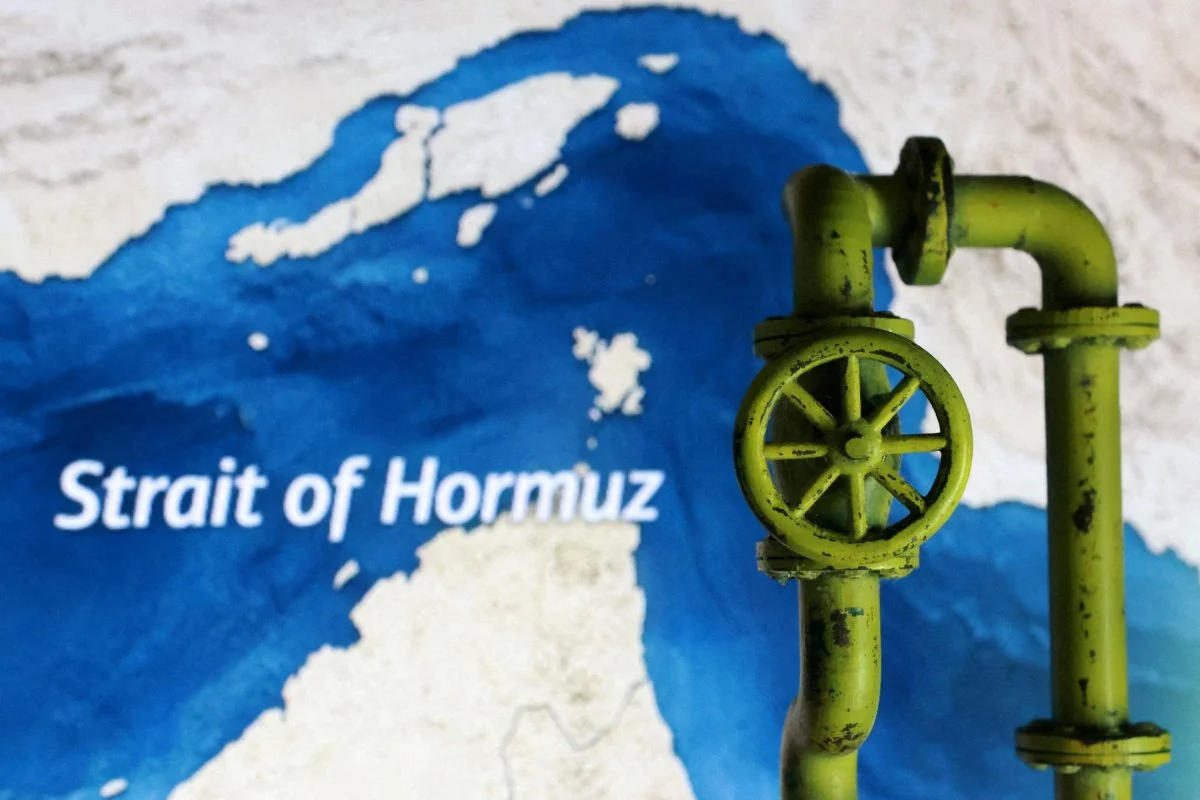
Oil prices jumped nearly 5% in Asian trading on Monday after renewed fighting between the United States and Iran increased fears of a major disruption to global crude supplies.
The rally accelerated after Tehran announced that the Strait of Hormuz had been closed.
Brent and WTI Oil Prices Surge
At 01:55 ET, or 05:55 GMT, September Brent crude futures rose 4.8% to $79.65 per barrel.
West Texas Intermediate crude futures climbed 5% to $74.98 per barrel.
Both oil benchmarks had already gained more than 4% during the previous week as the U.S.-Iran conflict intensified.
Iran Expands Attacks Across the Gulf
The latest increase in oil prices followed a new round of missile and drone attacks by Iran on Sunday.
Tehran expanded its strikes to Gulf countries, including Qatar and the United Arab Emirates.
Iran said the attacks were retaliation for recent U.S. military action.
The escalation raised concerns that the conflict could spread further across the region and threaten energy infrastructure.
Strait of Hormuz Closure Raises Supply Fears
Iran also declared the Strait of Hormuz closed after a commercial vessel was struck.
The announcement increased fears surrounding one of the world’s most important energy shipping routes.
The United States disputed Iran’s claim.
President Donald Trump said commercial shipping through the strait remained open and was operating under U.S. protection.
However, vessel traffic slowed sharply over the weekend. That decline added to concerns that prolonged disruption could tighten global oil supplies.
Analysts Warn of Wider Energy Risks
ING analysts said the main risk is that the conflict could return to the more severe conditions seen earlier in the war.
Under that scenario, neighbouring countries and major energy facilities could also become targets.
The analysts added that uncertainty over whether the latest escalation will be temporary or prolonged has kept many traders away from the market.
This cautious positioning may contribute to further volatility in crude prices.
Why the Strait of Hormuz Matters
The Strait of Hormuz is the main export route for oil produced in Saudi Arabia, Iraq, Kuwait, the United Arab Emirates and other Gulf countries.
A sustained closure could force refiners, particularly in Asia, to search for alternative crude supplies.
Such a disruption could also increase freight rates and marine insurance costs.
These additional expenses may eventually raise fuel and energy prices worldwide.
Oil Producers and Strategic Reserves in Focus
Investors are now watching for a coordinated response from major oil-producing countries.
Markets are also assessing whether governments may release crude from strategic petroleum reserves if supply disruptions worsen.
Any emergency action could help limit further price increases.
However, the impact would depend on the length and severity of the disruption.
IEA Warns About Supply Recovery
The International Energy Agency recently warned that renewed U.S.-Iran hostilities could threaten the expected recovery in global oil supply.
The agency said continued disruption to shipping through the Strait of Hormuz would pose a major risk to crude flows.
According to the IEA, global oil supply increased by 4.1 million barrels per day in June as traffic through the strait resumed.
Despite that rebound, production remained well below levels recorded before the conflict began.
Global Oil Supply Outlook Remains Uncertain
The IEA expects global oil supply to recover further in 2027.
However, that forecast depends on shipping conditions through the Strait of Hormuz continuing to improve.
A prolonged closure or another major escalation could delay the recovery and keep oil prices elevated.
For now, traders will remain focused on military developments, tanker traffic and any policy response from major energy producers.