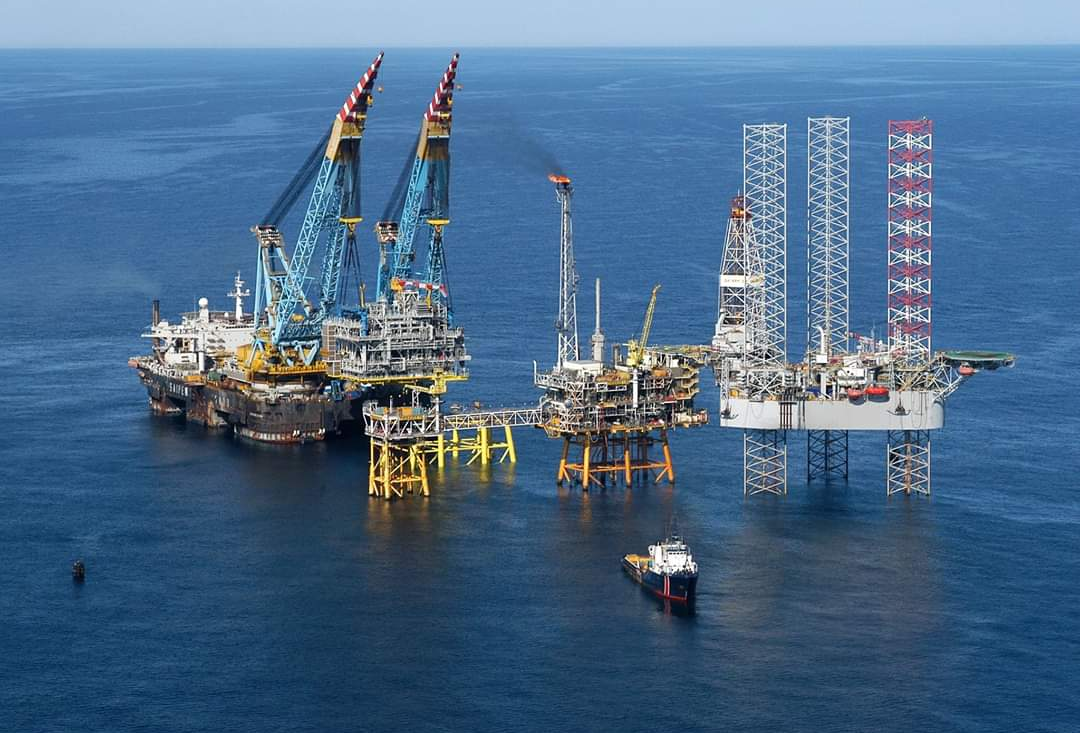
Oil Prices Rise as Middle East Tensions Intensify
Oil prices moved higher in volatile trading on Tuesday as investors assessed diplomatic efforts alongside continued military action between the United States and Iran.
Fresh threats to shipping routes in the Red Sea also increased concerns about global oil supplies.
By 07:00 ET, or 11:00 GMT, Brent crude futures had gained 1.1% to trade near $90.22 per barrel.
US West Texas Intermediate crude futures rose 1% to approximately $83.29 per barrel.
Brent Crude Returns Above $90
Both major oil contracts ended the previous session higher.
Brent crude settled 1.3% higher at $89.22 per barrel, while WTI gained 0.9% to close near $83.23.
Brent had initially climbed above $90 after renewed fighting in the Middle East over the weekend. However, prices later gave back part of those gains.
Diplomatic Efforts Continue
Despite the escalating violence, international mediators are still attempting to revive negotiations.
Officials hope to restore a preliminary ceasefire agreement signed in June, although that deal has largely lost its effectiveness.
Pakistani Prime Minister Shehbaz Sharif and other officials have been holding discussions with Iranian Interior Minister Eskandar Momeni in Islamabad.
US Secretary of State Marco Rubio has also indicated that Washington may remain open to restarting negotiations.
Tanker Attacked in the Strait of Hormuz
Military activity continued on Tuesday.
The United Kingdom Maritime Trade Operations center reportedly said that a tanker had been attacked in the Strait of Hormuz near Oman.
The incident forced the crew to abandon the vessel. Iran’s Islamic Revolutionary Guard Corps later claimed responsibility for the strike.
The attack added to concerns about the safety of one of the world’s most important oil shipping routes.
US Extends Strikes Against Iran
The US military said it had completed a tenth consecutive day of strikes against Iran on Monday evening.
US Central Command said the attacks targeted Iranian military facilities.
According to the military, the goal was to reduce Iran’s ability to threaten commercial vessels operating in the Strait of Hormuz.
Explosions were reportedly heard in Bandar Abbas, Qeshm Island and Konarak.
Houthi Threat Raises Red Sea Concerns
Investors are also watching the possibility that the conflict could spread to other major shipping routes.
The Iran-backed Houthi movement in Yemen said it planned to impose a blockade on Saudi vessels.
The announcement increased concerns about shipping through the Bab al-Mandab Strait.
This waterway connects the Red Sea with the Gulf of Aden and handles around 12% of global trade, including significant oil shipments.
Shipping Costs Could Increase
A successful blockade could force some vessels to take longer and more expensive routes.
Ships may need to travel around Africa instead of using normal routes through the Red Sea and Suez Canal.
ING analysts said the threat could increase insurance costs, even if the blockade proves difficult to enforce.
However, they noted that the oil market did not appear fully convinced that the proposed action would significantly disrupt shipping.
Geopolitical Risks Support Crude Prices
Geopolitical uncertainty continues to provide support for oil prices.
Traders remain concerned that attacks on vessels or restrictions around key shipping routes could reduce global supply.
However, gains have remained limited because previous periods of Middle East tension often ended without lasting disruption to oil exports.
This has encouraged some investors to remain cautious about pushing crude prices substantially higher.
US Oil Inventory Data Comes Into Focus
Markets are now turning their attention to weekly US oil inventory reports.
The American Petroleum Institute is scheduled to release its figures later on Tuesday.
Official data from the US Energy Information Administration will follow on Wednesday.
The reports may provide fresh insight into fuel demand and crude stockpiles in the United States, the world’s largest oil consumer.