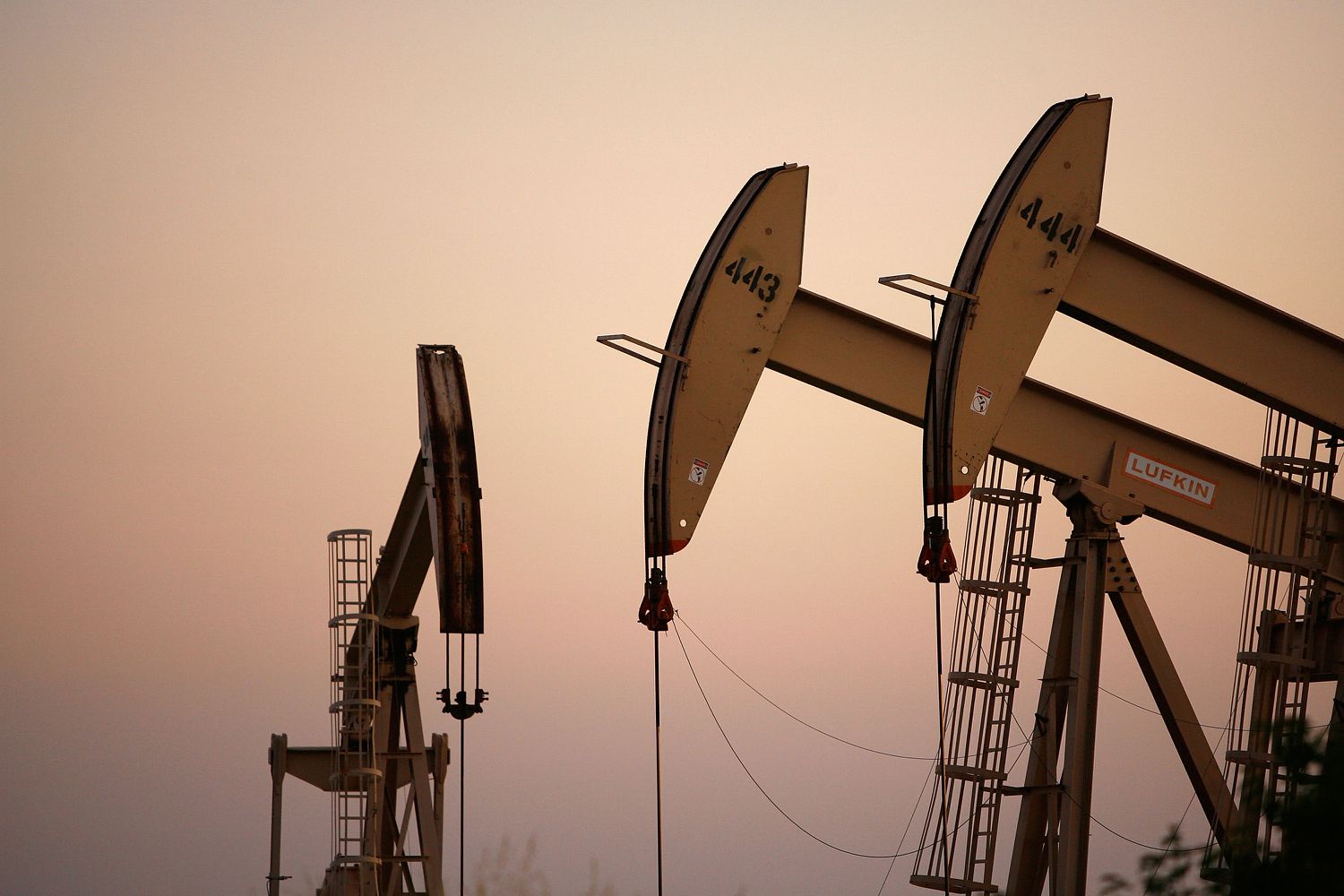
Oil Prices Rise as Trump Warns Iran Following Fresh Military Strikes
Oil prices moved higher on Wednesday as geopolitical tensions in the Middle East intensified following new U.S. military strikes against Iran and a renewed warning from President Donald Trump.
Brent crude rose 0.8% to around $92 per barrel, while U.S. West Texas Intermediate (WTI) crude gained 1.2% to trade above $89 per barrel. The rebound came after oil prices had fallen sharply in the previous session, reaching their lowest levels in seven weeks.
Trump Escalates Pressure on Iran
President Trump signaled growing frustration with Iran, warning that the country would “pay the price” for taking too long to negotiate a peace agreement.
In a social media post, Trump claimed that Iran’s military capabilities had been severely weakened following months of joint U.S.-Israeli operations. Reports also suggested that the administration is considering additional strikes targeting key Iranian infrastructure, including power plants and bridges.
The comments added to concerns that the conflict could escalate further and disrupt energy supplies across the region.
Fresh Attacks Deepen Regional Conflict
The latest tensions follow new U.S. military action against Iranian targets after Washington blamed Tehran for an attack that led to the downing of a U.S. Apache helicopter near the Strait of Hormuz.
Iran has denied responsibility for the incident but responded by launching attacks against U.S. military bases in Jordan and several Gulf countries.
Meanwhile, Israel continued military operations in southern Lebanon against Hezbollah positions, further increasing instability across the region.
Peace Deal Hopes Face New Challenges
Recent military exchanges have raised doubts about the prospects for a diplomatic breakthrough between the United States and Iran.
Earlier in the week, optimism had emerged after Iran and Israel agreed to suspend direct attacks following calls for de-escalation. Investors had hoped that a broader agreement could eventually end the conflict and restore normal shipping activity through the Strait of Hormuz.
However, the latest escalation has cast uncertainty over those expectations.
Strait of Hormuz Remains Critical for Oil Markets
The Strait of Hormuz remains one of the most important factors influencing energy markets.
The strategic waterway handles approximately 20% of global oil supplies, and disruptions to shipping activity have significantly tightened global crude availability.
As a result, oil prices continue to trade well above pre-conflict levels, keeping traders focused on potential supply risks and geopolitical developments.
Inflation Concerns Continue to Grow
Higher energy prices are also fueling concerns about global inflation.
New data released on Wednesday showed that U.S. consumer inflation accelerated on an annual basis in May, with rising gasoline prices playing a major role in the increase.
The persistence of energy-driven inflation has strengthened concerns that central banks may need to maintain restrictive monetary policies or even consider additional interest rate increases if price pressures continue.
US Oil Inventories Fall Sharply
Supporting crude prices further, industry data indicated a substantial decline in U.S. oil inventories.
The American Petroleum Institute reported a drawdown of 9.12 million barrels in crude stockpiles last week, significantly larger than analysts’ expectations for a 3.4 million-barrel decline.
Gasoline inventories also fell, while distillate fuel stocks posted a modest increase.
Investors are now awaiting official inventory figures from the U.S. Energy Information Administration for confirmation of the supply data.
Oil Market Outlook Remains Tied to Geopolitics
With Middle East tensions escalating, supply disruptions persisting, and crude inventories tightening, oil markets remain highly sensitive to geopolitical developments.
Traders will continue monitoring military activity, diplomatic negotiations, and economic data for clues about the future direction of oil prices and their impact on global inflation.