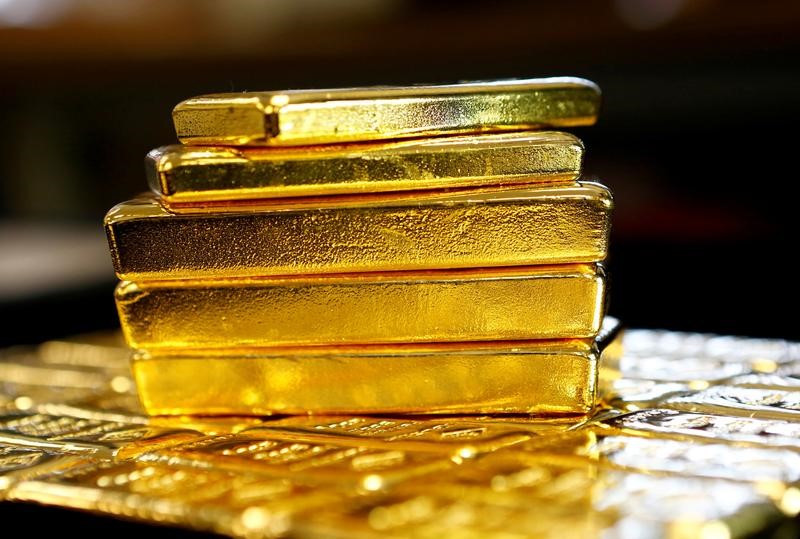
Gold Prices Recover Part of Earlier Losses After US Inflation Data
Gold prices trimmed some of their earlier declines on Wednesday after the latest U.S. inflation report came in largely in line with market expectations. However, sentiment toward the precious metal remained cautious as investors continued to monitor escalating geopolitical tensions in the Middle East.
Spot gold traded around $4,153 per ounce, while gold futures also moved lower, reflecting continued market uncertainty.
Inflation Data Meets Expectations
The latest Consumer Price Index report showed that U.S. inflation remained elevated but broadly matched economist forecasts.
Headline CPI increased 0.5% on a monthly basis and 4.2% compared with a year earlier during May. Meanwhile, core inflation, which excludes food and energy prices, rose 0.2% month-over-month and 2.9% annually.
The slightly softer-than-expected core inflation reading provided some relief to financial markets and helped gold recover part of its earlier losses.
Dollar and Treasury Yields Ease
Following the inflation release, U.S. Treasury yields edged lower while the U.S. dollar weakened modestly.
The U.S. Dollar Index slipped around 0.1%, pulling back from a two-month high reached earlier in the week.
A softer dollar can often support gold prices because it makes the precious metal less expensive for international buyers using other currencies.
Federal Reserve Rate Expectations Remain a Key Focus
Despite the inflation report meeting expectations, investors continue to anticipate the possibility of further Federal Reserve tightening later this year.
Persistent inflation driven by higher energy prices has fueled speculation that policymakers may need to maintain a restrictive stance for longer than previously expected.
According to market pricing, a majority of traders currently see a possibility of a Federal Reserve rate increase before the end of the year.
Higher interest rates generally create headwinds for gold because the metal does not generate yield, making interest-bearing assets more attractive by comparison.
Middle East Conflict Keeps Markets on Edge
Geopolitical developments remained another major factor influencing gold prices.
The United States launched new military strikes against Iranian targets following recent attacks near the Strait of Hormuz. In response, Iran reported strikes against U.S. military facilities in Jordan and several Gulf countries.
The latest escalation has increased concerns about broader regional instability and its impact on global financial markets.
Strait of Hormuz Remains a Critical Risk
Investors are closely watching developments surrounding the Strait of Hormuz, one of the world’s most important energy shipping routes.
The waterway handles approximately one-fifth of global oil and liquefied natural gas supplies, making any disruption a significant risk for energy markets.
Although oil prices traded near unchanged levels during the session, they remain substantially higher than before the conflict began, keeping inflation concerns elevated worldwide.
Investors Await Greater Clarity
Market participants continue to adopt a cautious approach as geopolitical tensions and monetary policy expectations remain highly uncertain.
Analysts note that many investors are choosing to stay on the sidelines until there is greater clarity regarding the Middle East conflict, future Federal Reserve decisions, and the outlook for global inflation.
For now, gold remains caught between its traditional role as a safe-haven asset and concerns that higher interest rates could limit upside potential.