Senate Confirms Kevin Warsh as New Federal Reserve Chair
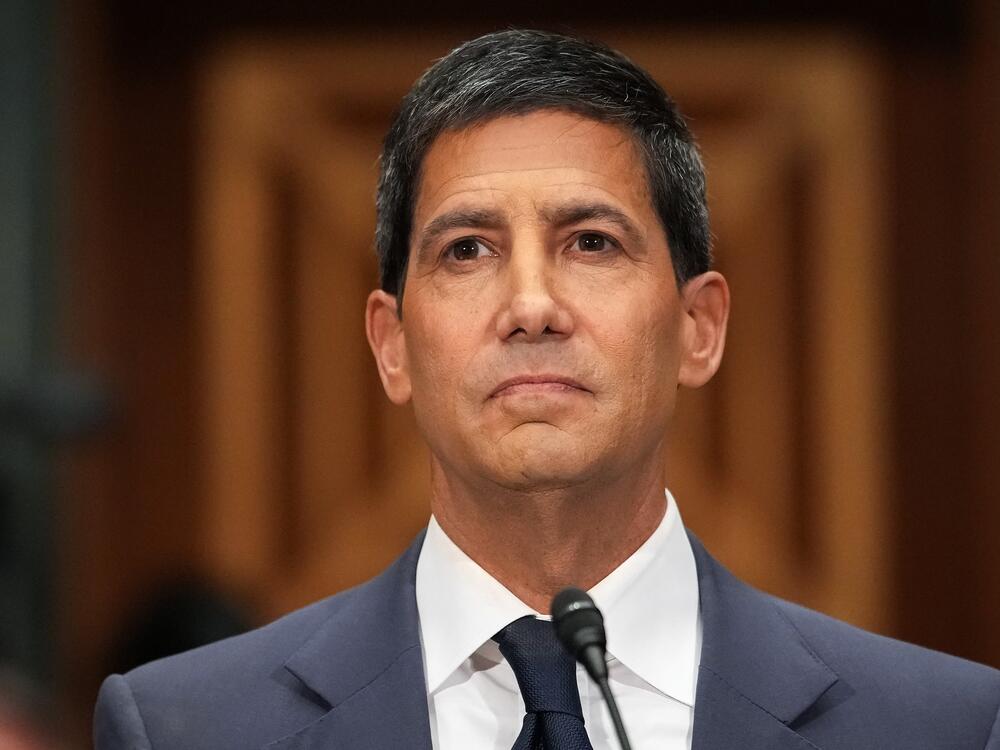
The U.S. Senate officially approved Kevin Warsh as the next chair of the Federal Reserve on Wednesday, placing the former lawyer and financier at the center of U.S. monetary policy during a period of rising inflation and growing economic uncertainty.
Warsh, 56, was confirmed in a sharply divided 54-45 Senate vote, making it the most partisan confirmation vote ever for a Federal Reserve chair.
Only one Democrat, Senator John Fetterman of Pennsylvania, voted alongside Republicans in support of Warsh’s nomination.
Warsh Set to Replace Jerome Powell
Warsh will officially take over leadership of the Federal Reserve from current Chair Jerome Powell, whose term ends on Friday.
Powell will remain a Federal Reserve governor, while Fed Governor Stephen Miran is expected to step down from the board to make room for Warsh.
The White House stated that President Donald Trump plans to sign the final paperwork as quickly as possible while attending meetings with Chinese President Xi Jinping in Beijing.
Warsh is expected to chair his first Federal Reserve policy meeting on June 16-17.
Inflation Challenges Await the New Fed Chair
Warsh takes control of the central bank at a time when inflation pressures in the United States continue to intensify.
Several Federal Reserve policymakers have recently warned that inflation risks are expanding beyond the effects of Trump administration tariffs and rising oil prices caused by the Iran conflict.
Fresh government data showed that U.S. producer prices increased 6% year-over-year in April, marking the fastest pace since late 2022.
Economists also expect the Personal Consumption Expenditures (PCE) price index, the Fed’s preferred inflation gauge, to rise 3.8%, remaining well above the central bank’s 2% inflation target.
Markets Shift Toward Higher Rate Expectations
Financial markets have sharply adjusted expectations for U.S. interest rates.
Investors now expect the Federal Reserve to leave rates unchanged within the current 3.5%-3.75% target range for the remainder of the year, while some traders are beginning to price in a possible rate hike as early as January.
The labor market has also remained relatively stable, with unemployment holding near 4.3%, reducing pressure on the Fed to cut rates.
At least five Federal Reserve policymakers have already signaled support for stronger hawkish language suggesting future rate hikes are becoming increasingly possible.
Political Pressure and Fed Independence in Focus
Warsh’s confirmation comes amid heightened political tensions surrounding the Federal Reserve and its independence from the White House.
Trump has repeatedly pressured the Fed to lower interest rates and previously criticized Powell’s leadership.
The administration also attempted to remove Fed Governor Lisa Cook last year, while the Department of Justice had opened — and later paused — a criminal investigation into Powell.
These developments raised concerns among several Democratic lawmakers who questioned whether Warsh would remain independent from political influence.
Senator Mark Warner said he worried about whether Warsh could resist pressure from the White House and prioritize long-term economic stability over politics.
Warsh Promises Major Changes at the Fed
Although Trump expects Warsh to support lower interest rates, Warsh told lawmakers during his confirmation hearing that he had made no promises regarding future monetary policy decisions.
He pledged to introduce significant changes at the Federal Reserve, including closer cooperation with the administration on non-monetary economic issues.
Warsh is also familiar with disagreements inside the central bank. During his previous time as a Fed governor under former Chair Ben Bernanke, he openly questioned some policy decisions, although he never formally dissented before leaving the board in 2011.
During his Senate hearing, Warsh said healthy internal debate — which he described as a “family fight” — is important for reaching the correct monetary policy decisions.
Treasury Secretary Scott Bessent welcomed Warsh’s appointment, saying the Federal Reserve needs stronger accountability and clearer policy direction.