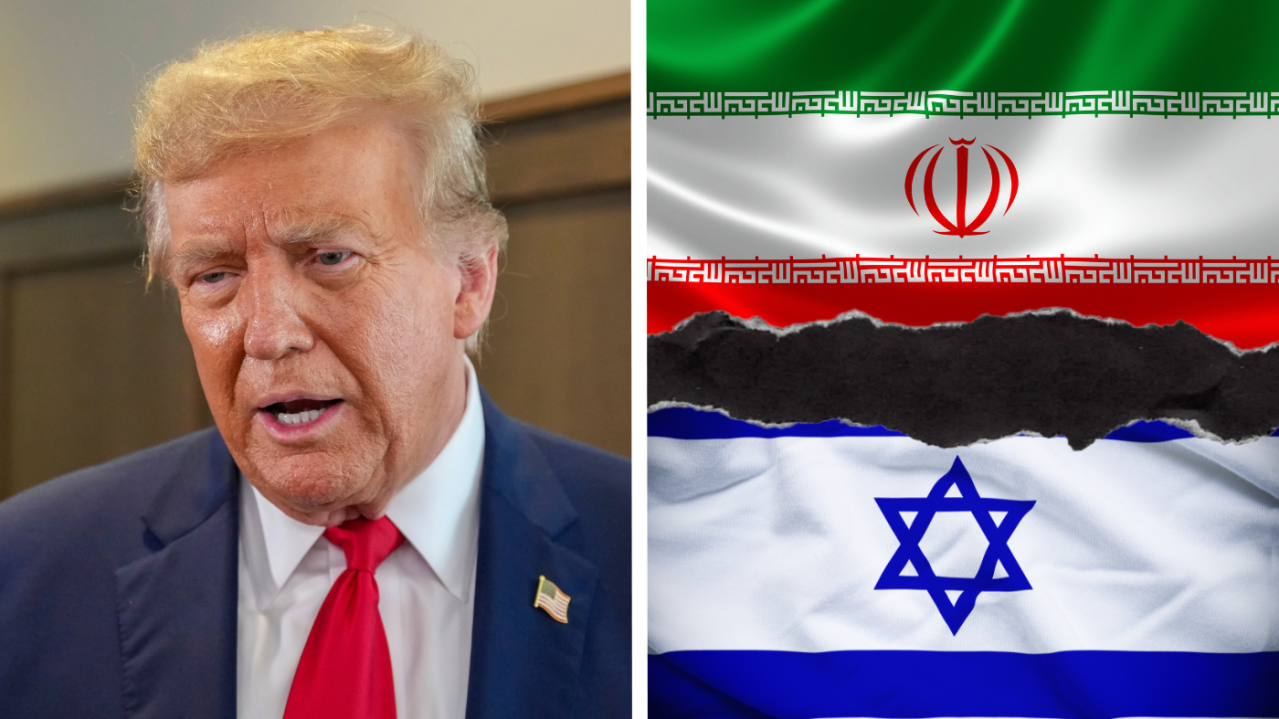
Israel and Iran Exchange New Strikes as Peace Efforts Face Setback
Tensions between Israel and Iran escalated once again after both countries exchanged military strikes over the weekend, raising concerns that diplomatic efforts aimed at ending the conflict may be losing momentum.
The renewed hostilities mark a significant deterioration in relations following the ceasefire reached in April and have increased uncertainty across the Middle East.
Israel Launches Strikes on Iranian Targets
The Israeli military confirmed that it carried out attacks against military-related targets in western and central Iran on Sunday night.
At the same time, Iranian media reported explosions in several major cities, including Tehran, Tabriz and Isfahan.
The strikes represented one of the most significant exchanges between the two countries since the ceasefire agreement earlier this year and underscored the fragile nature of recent diplomatic progress.
Iran Responds With Missile Attacks
The latest Israeli operation followed a series of Iranian missile attacks launched on Sunday.
According to reports, Iran fired three waves of ballistic missiles toward Israeli military targets, describing the action as retaliation for Israeli operations in Lebanon and recent strikes near Beirut.
The exchange of attacks has reignited fears of a broader regional conflict and complicated ongoing negotiations aimed at reducing tensions.
Trump Calls for Restraint
U.S. President Donald Trump publicly urged Israel not to respond militarily to the Iranian missile launches, warning that further retaliation could prolong the conflict.
Speaking before the latest Israeli strikes, Trump reportedly contacted Israeli Prime Minister Benjamin Netanyahu and emphasized the need to avoid additional escalation.
According to reports, Trump stated that negotiations with Iran were approaching a critical stage and expressed concern that renewed military action could undermine efforts to reach a diplomatic agreement.
The U.S. president argued that both sides had already exchanged strikes and suggested that additional military responses were unnecessary.
Peace Talks Face New Challenges
The latest violence has cast doubt on the prospects for a broader peace agreement.
While Israeli officials had reportedly prepared a strong response to Iran’s missile attacks, Washington has continued to push for de-escalation and renewed diplomacy.
The renewed fighting comes at a time when negotiations remain focused on several unresolved issues, including regional security concerns and Iran’s nuclear program.
Iran Accuses U.S. and Israel of Ceasefire Violations
Iran has accused both the United States and Israel of violating the ceasefire framework established earlier this year.
Tehran has repeatedly criticized military operations carried out in Lebanon and has called for Israel to be included in any future ceasefire arrangements.
Iranian officials have also warned against additional Israeli retaliation and signaled that further military responses could follow if tensions continue to escalate.
Lebanon Ceasefire Efforts Collapse
Attempts to secure a ceasefire between Israel and Lebanon suffered a setback last week.
The proposed agreement reportedly broke down after Iran-backed Hezbollah rejected the arrangement and pledged to continue responding to Israeli military actions.
The collapse of those talks has added another layer of uncertainty to an already volatile regional situation.
Nuclear Dispute Remains a Major Obstacle
Iran’s nuclear program continues to be one of the most significant points of disagreement in negotiations with the United States.
Tehran has resisted calls to surrender its enriched uranium stockpiles and continues to seek sanctions relief, along with the release of overseas assets currently frozen by the United States.
These issues remain central to any potential diplomatic breakthrough between the two countries.
Strait of Hormuz Remains in Focus
Global energy markets are also closely monitoring developments surrounding the Strait of Hormuz.
Iran has maintained restrictions affecting maritime traffic through the strategic waterway, a critical route for global oil shipments.
Reports suggest that Iranian negotiators may seek specific conditions and timelines before agreeing to fully reopen access under any future peace agreement.
Given the importance of the Strait of Hormuz to global energy supplies, developments in the region continue to have significant implications for oil markets and international trade.
Outlook
With military exchanges continuing and diplomatic negotiations facing increasing pressure, the situation remains highly uncertain.
Investors, policymakers and global markets will be closely watching whether renewed diplomatic efforts can prevent further escalation and restore stability across the Middle East.