U.S. Inflation Cools After June Price Data
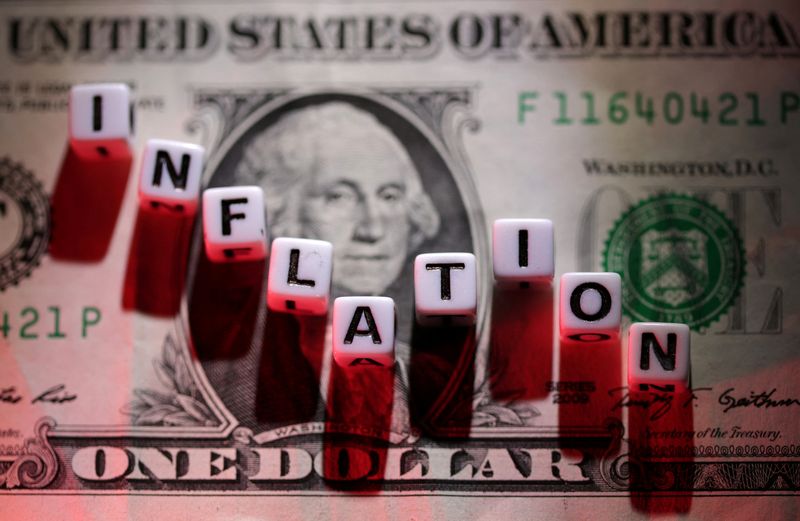
U.S. inflation eased in June as consumer prices rose less than expected. However, Wolfe Research warned that the unusually weak inflation reading may be difficult to repeat.
The research firm said core inflation should still remain significantly softer than it was during the first half of 2026. Even so, investors should not expect every upcoming report to be as encouraging as June’s data.
Oil Prices Reshaped Inflation in 2026
Inflation trends changed rapidly during the first half of the year.
The joint U.S.-Israeli attack on Iran at the end of February pushed global oil prices sharply higher. As a result, energy costs increased and created a new inflationary shock.
However, crude oil prices fell after an interim peace agreement was signed in mid-June. Lower oil prices reduced pressure at U.S. gas stations and helped produce softer-than-expected Consumer Price Index and Producer Price Index reports for June.
Oil prices have since climbed again following renewed tensions between Washington and Tehran. This rebound could create fresh pressure on energy prices and future inflation data.
June’s Inflation Weakness May Not Be Repeated
Wolfe Research analysts, led by Stephanie Roth, said June’s unchanged core CPI reading probably does not signal the start of several extremely weak inflation reports.
However, the analysts expect inflation over the next few months to look more like June than the stronger readings recorded between January and May.
According to Wolfe Research, some of June’s weakness came from temporary factors and favorable seasonal patterns. These conditions may not appear again in future reports.
At the same time, the firm believes the strongest inflationary impact from the Iran conflict may already have passed. More favorable seasonal trends and fading tariff-related pressures could also help keep inflation under control.
Temporary Factors Lowered Core CPI
Several unusual price movements contributed to the softer June inflation report.
Wireless phone service prices fell, possibly because more consumers purchased bundled service packages. Motor vehicle insurance prices also declined and became the largest negative contributor to core CPI.
Because these changes may have been temporary, similar declines cannot be guaranteed in the coming months.
Inflation Often Weakens Later in the Year
Wolfe Research also identified a broader seasonal pattern in U.S. inflation.
Since the COVID-19 pandemic, inflation has generally been stronger during the first half of the year and weaker during the second half.
One possible reason is that companies often raise prices early in the year. Later, businesses tend to introduce more discounts, promotions and special offers.
Seasonal adjustments may not fully capture these changes in corporate pricing behavior. In addition, several components included in the core Personal Consumption Expenditures Price Index are not seasonally adjusted.
These factors could help explain why inflation often appears more persistent early in the year before easing during the second half.
Federal Reserve Maintains a Hawkish Position
The Federal Reserve adopted a more hawkish position last month under new Chair Kevin Warsh.
At least half of the 18 Federal Open Market Committee participants projected one or more interest rate increases during 2026 in the latest dot plot.
Warsh has also repeatedly emphasized that the Federal Reserve remains committed to restoring price stability. In addition, the new Fed chair announced a broad review of the central bank’s monetary policy operations.
Although June’s inflation data offered some relief, the Federal Reserve may need several more months of evidence before becoming confident that price pressures are under control.