Iran Says Lebanon Ceasefire Remains Key Condition for Regional Peace
Iran’s Islamic Revolutionary Guard Corps (IRGC) stated on Thursday that lasting stability in the Middle East cannot be achieved unless Israel withdraws from what Tehran describes as occupied territories in Lebanon.
According to Iranian state media, the IRGC also reiterated that a ceasefire across all active fronts, including Lebanon, remains one of Tehran’s primary conditions for reaching a broader peace agreement with the United States.
Lebanon Ceasefire Revives Hopes for U.S.-Iran Agreement
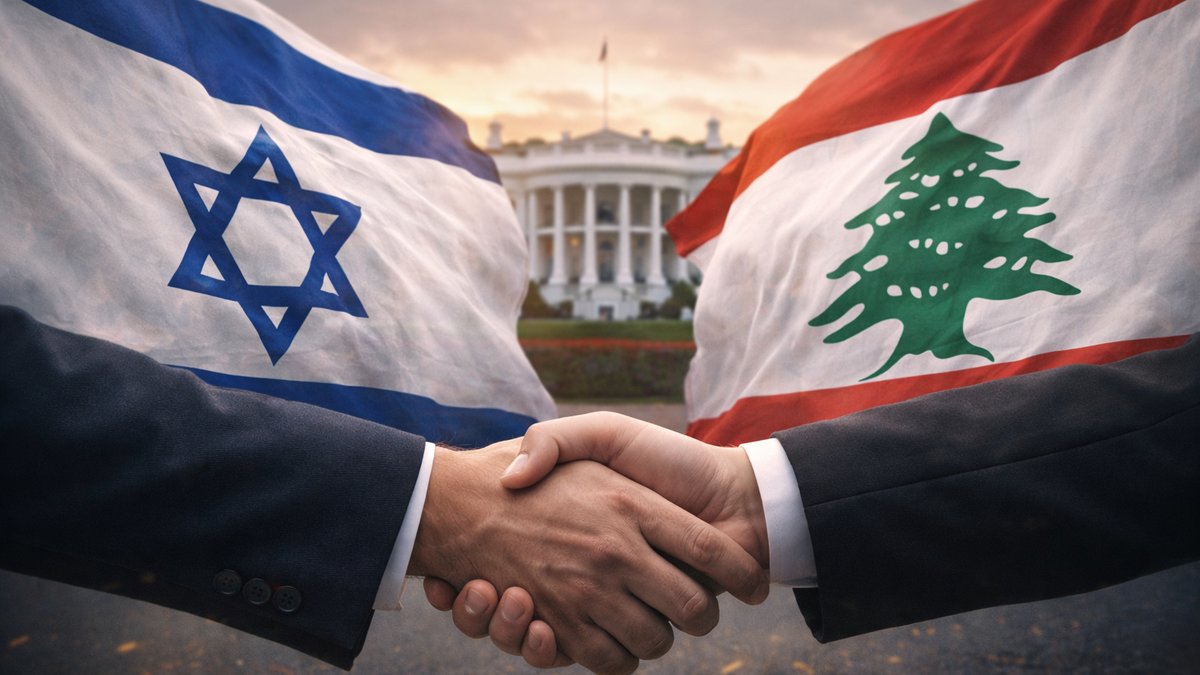
The comments come shortly after Israel and Lebanon agreed to renew their fragile ceasefire, a development that has raised hopes for renewed diplomatic progress between Washington and Tehran.
Efforts to secure a U.S.-Iran agreement have been closely linked to the conflict in Lebanon, where Israeli forces have been engaged in fighting with Iran-backed Hezbollah militants.
Following a fourth round of U.S.-mediated negotiations, Israel and Lebanon announced that the ceasefire would depend on a complete halt to Hezbollah attacks and the withdrawal of Hezbollah operatives from areas south of the Litani River.
In a joint statement, both sides said these measures could help advance a broader peace and security framework for the region.
Notably, Hezbollah did not participate directly in the negotiations.
Oil Prices Fall as Investors Welcome Diplomatic Progress
Financial markets reacted positively to signs of diplomatic momentum.
Brent crude oil futures declined 2.9% to $94.97 per barrel as investors grew more optimistic that the renewed Lebanon ceasefire could pave the way for progress in U.S.-Iran peace talks.
Lower oil prices reflected expectations that a reduction in regional tensions could eventually ease concerns over energy supply disruptions.
Trump Signals Limited Conditions for Renewed Military Action
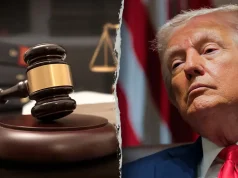
According to a report from The Wall Street Journal, U.S. President Donald Trump has privately informed advisers that military action against Iran would only resume if American forces were killed.
The report emerged after a series of recent air strikes exchanged between the United States and Iran tested an already fragile ceasefire between the two countries.
While U.S. officials described the attacks as acts of self-defense, Iran accused Washington of violating the ceasefire agreement. Despite the tensions, American officials have maintained that the ceasefire remains intact.
Iran Nuclear Dispute Continues to Complicate Negotiations
Diplomatic efforts remain challenged by disagreements surrounding Iran’s nuclear program.
Tehran has repeatedly rejected U.S. demands related to its stockpile of enriched uranium, which continues to be one of the most significant obstacles to a comprehensive agreement.
Meanwhile, conflicting messages have emerged regarding the status of negotiations. Iranian media reports suggested that indirect talks with the United States had been suspended, while President Trump has continued to insist that discussions remain active and that a peace deal could be reached in the near future.
Strait of Hormuz Remains a Major Flashpoint
Tensions also remain high around the Strait of Hormuz, one of the world’s most important energy shipping routes.
Iran has largely restricted activity through the strategic waterway during the conflict, while the United States has maintained a naval blockade targeting Iranian ports.
The situation continues to pose risks to global energy markets and remains a central factor in ongoing negotiations.
Domestic Pressure Grows to End the Conflict
The White House is also facing increasing political pressure at home to bring an end to the conflict.
Despite being controlled by President Trump’s Republican Party, the U.S. House of Representatives voted in favor of a resolution designed to limit the president’s ability to continue military operations against Iran.
The measure still requires Senate approval and would need support from two-thirds of lawmakers in both chambers to overcome a potential presidential veto.
As diplomatic efforts continue, investors and policymakers alike remain focused on whether the renewed Lebanon ceasefire can create the foundation for a broader peace agreement across the region.