European Markets Trade Mixed as Middle East Tensions Ease
European stock markets traded in mixed territory on Tuesday as investors balanced improving geopolitical sentiment in the Middle East against expectations for further interest rate hikes from major central banks.
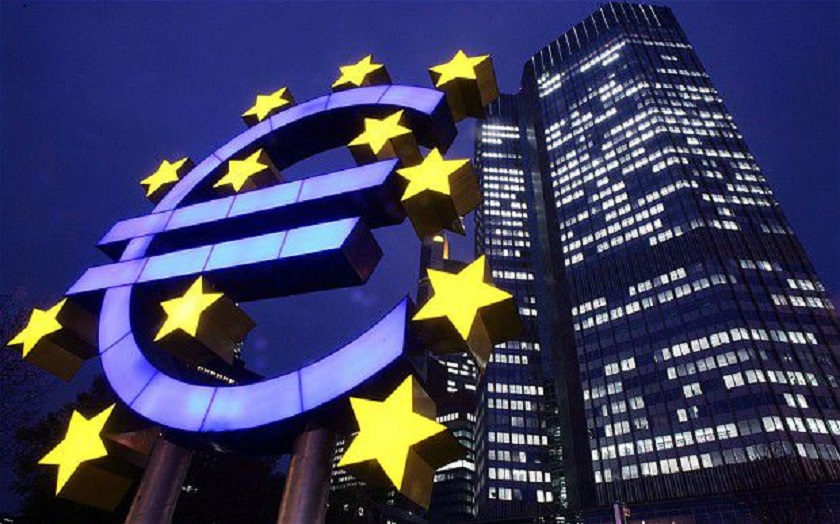
Market participants are also looking ahead to the European Central Bank’s upcoming policy decision, which is expected to play a significant role in shaping market direction across the region.
European Indices Struggle for Direction
The pan-European Stoxx 600 index remained largely unchanged during early trading.
Germany’s DAX slipped 0.1%, France’s CAC 40 traded flat, while the U.K.’s FTSE 100 declined 0.4%.
The muted market performance reflected a cautious approach among investors as they assessed both geopolitical developments and monetary policy expectations.
Middle East Tensions Show Signs of Easing
Investor sentiment improved after Iran and Israel announced a halt to recent military exchanges, raising hopes that a broader diplomatic solution could emerge.
The development increased optimism that U.S. President Donald Trump may be able to advance negotiations aimed at reducing regional tensions.
However, significant risks remain.
The Strait of Hormuz, a critical global energy corridor responsible for transporting roughly 20% of the world’s oil and liquefied natural gas supplies, remains largely restricted to tanker traffic.
At the same time, the United States has maintained its blockade of Iranian ports, adding to ongoing uncertainty surrounding global energy markets.
Oil Prices Ease but Remain Elevated
Brent crude oil futures declined around 1%, extending recent losses as concerns over an immediate escalation in the conflict eased.
Despite the pullback, oil prices remain substantially above levels seen before the conflict began.
Energy markets continue to closely monitor developments in the Middle East given the region’s importance to global oil supplies.
Meanwhile, eurozone government bond yields moved lower as investors adjusted their expectations for growth and inflation.
ECB Rate Decision Takes Center Stage
Attention is increasingly turning toward Thursday’s European Central Bank meeting.
Financial markets broadly expect the ECB to deliver another interest rate increase as policymakers continue their fight against inflation across the eurozone.
Although economic growth has shown signs of slowing, inflation remains a primary concern for central bankers.
Higher energy prices resulting from geopolitical tensions have raised fears that inflationary pressures could persist longer than expected.
Global Central Banks Remain Focused on Inflation
The ECB is not alone in maintaining a hawkish stance.
In the United States, investors are also increasingly pricing in the possibility of another Federal Reserve interest rate hike before the end of the year.
Strong U.S. labor market data released recently reinforced expectations that policymakers may need to keep monetary policy restrictive for longer.
As a result, investors remain focused on upcoming economic data and central bank communications for further clues regarding future rate decisions.
GSK Shares Fall After Major Acquisition Deal
Outside of broader market developments, shares of pharmaceutical giant GSK declined more than 2% after the company announced plans to acquire cancer treatment specialist Nuvalent in a deal valued at approximately $10.6 billion.
The acquisition will provide GSK with access to three promising lung cancer drug candidates and strengthen its position in the oncology sector.
While the deal expands GSK’s long-term growth opportunities, investors appeared cautious about the size and financial implications of the transaction.
Outlook
European markets remain caught between easing geopolitical risks and concerns over higher interest rates.
While the reduction in Middle East tensions has improved sentiment, investors are likely to remain cautious ahead of the ECB’s policy decision and further developments in global energy markets.
The combination of inflation concerns, central bank actions, and geopolitical uncertainty is expected to remain a key driver of market performance in the coming weeks.