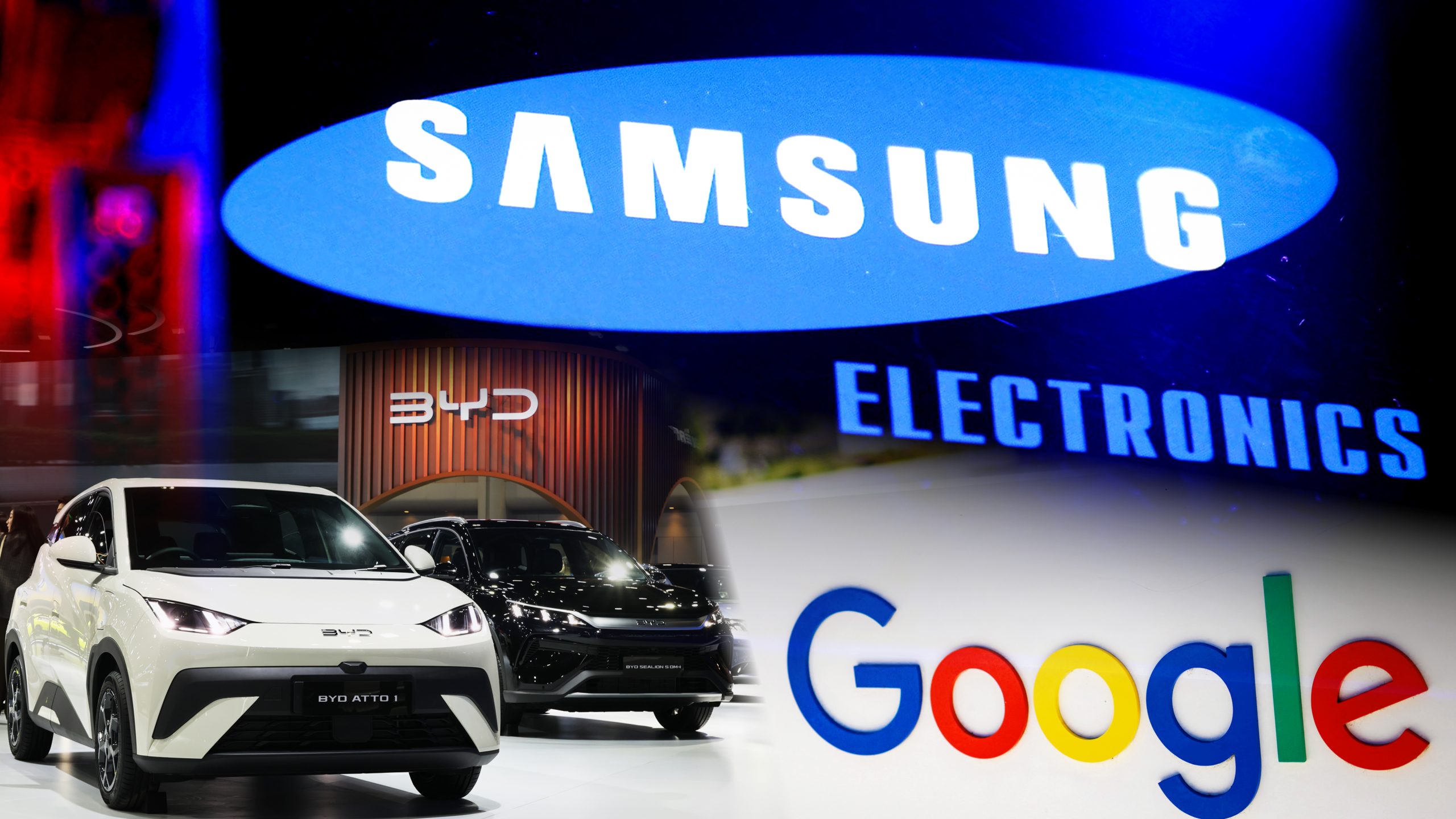
Samsung Electronics has reportedly received a growing number of chipmaking inquiries from major global companies, including BYD, Google, AMD and Tesla.
Demand for artificial intelligence infrastructure is rising faster than the advanced manufacturing capacity available at industry leader TSMC, according to a report from Nikkei Asia.
Samsung Attracts More Global Chip Customers
Samsung has experienced a sharp increase in inquiries from existing and potential customers across several regions, including China.
The companies are reportedly exploring the use of Samsung’s advanced semiconductor manufacturing facilities as capacity at other leading foundries remains limited.
The growing interest could help Samsung strengthen its position in the global contract chipmaking market.
BYD Discusses Autonomous Driving Chips
BYD, China’s largest electric vehicle manufacturer, has reportedly held discussions with Samsung about producing future generations of autonomous driving chips.
Advanced semiconductors play an increasingly important role in electric vehicles. They power driver-assistance systems, artificial intelligence features and autonomous driving technology.
A potential agreement with BYD could expand Samsung’s exposure to the rapidly growing automotive chip market.
Google Considers Samsung for New Processors
Google is also reportedly in talks with Samsung over the production of its next-generation Axion processors.
The processors are expected to launch around 2028. Google is also considering using Samsung to manufacture part of its Tensor Processing Unit portfolio for artificial intelligence workloads from the same year.
Google’s TPUs are designed to support demanding AI computing tasks across the company’s cloud and data-centre operations.
AMD Explores Future CPU Production
AMD has reportedly discussed using Samsung to manufacture some of its future central processing units.
AMD currently relies heavily on TSMC for advanced chip production. However, tight capacity may encourage the company to diversify its manufacturing partners.
Working with Samsung could provide AMD with additional production flexibility as demand for high-performance computing and AI chips continues to expand.
TSMC Capacity Remains Under Pressure
TSMC, Samsung and Intel are the only chipmakers capable of producing advanced semiconductors at scale.
TSMC has secured a large share of cutting-edge chip manufacturing and packaging orders from major companies such as Nvidia, Apple, AMD, Broadcom, Marvell and MediaTek.
This strong demand has left the Taiwanese chipmaker with limited spare capacity for additional customers.
Expanding Chip Capacity Takes Time
TSMC has announced plans to increase its manufacturing capacity over the coming years.
The company is expected to spend tens of billions of dollars on new factories, equipment and advanced packaging facilities.
However, semiconductor plants are expensive and time-consuming to build. As a result, advanced chip capacity is likely to remain constrained in the near term.
Samsung Could Benefit From the AI Chip Boom
The shortage of available manufacturing capacity creates an important opportunity for Samsung.
The South Korean company has invested heavily in advanced chipmaking processes and is seeking to close the gap with TSMC.
Securing orders from companies such as Google, AMD, BYD or Tesla could improve the performance of Samsung’s foundry business and strengthen its credibility with other major customers.
Intel Seeks More Foundry Customers
Intel is also attempting to expand its contract manufacturing operations.
The US chipmaker has traditionally produced most semiconductors for its own products. However, it is now working to attract external customers for its advanced manufacturing and chip packaging services.
The intensifying competition between Samsung, TSMC and Intel highlights the strategic importance of advanced semiconductor capacity as global AI investment continues to accelerate.