U.S. Dollar Dips Slightly Amid Middle East Tensions
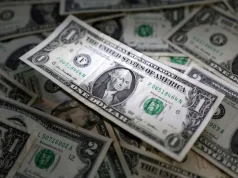
The U.S. dollar weakened modestly on Friday but remained on track for weekly gains as persistent tensions in the Middle East kept safe-haven demand elevated. Markets were closely watching upcoming U.S. payrolls data, which could provide insight into how the labor market is handling economic pressure from the ongoing conflict in Iran. Broader currency markets remained relatively muted ahead of the report.
Dollar Index and Major Currency Movements
The U.S. Dollar Index (DXY), which tracks the greenback against a basket of currencies, fell 0.2% to 99.20, but for the week, it was set to rise roughly 0.3%. Meanwhile, the euro gained 0.2% to $1.1636, and the British pound rose 0.3% to $1.3468.
Geopolitical Concerns Influence Sentiment
Investor sentiment was impacted by Hezbollah’s rejection of a ceasefire with Israel, complicating U.S. efforts to negotiate a broader peace deal with Iran. Tehran has indicated that a Lebanon ceasefire is a prerequisite for any major U.S.-Iran peace agreement.
Dollar as a Safe Haven Amid Oil Market Fluctuations
Throughout the conflict, the U.S. dollar has been viewed as a safe-haven asset, partly because the United States, as a major energy exporter, may be less affected by potential oil price spikes. Brent crude prices eased on Friday but were poised for weekly gains, reflecting ongoing concerns about energy-driven inflation. Rising energy costs could prompt hawkish moves by central banks, including the Federal Reserve.
Nonfarm Payrolls Data in Focus
The U.S. nonfarm payroll report for May, scheduled for release later today, is expected to provide critical clues on the economy and interest rate expectations. Economists forecast 85,000 jobs added in May, down from 115,000 in April, while the unemployment rate is seen holding steady at 4.3%. These indicators are closely monitored by the Fed, as inflation and labor market performance are key determinants in monetary policy decisions.