The U.S. dollar remained close to a more than two-month high on Thursday after the Federal Reserve signalled that interest rates could rise later this year.
Investors were also assessing the potential economic impact of the newly signed interim peace agreement between the United States and Iran.
US Dollar Index Extends Gains
The U.S. Dollar Index gained around 0.2% during Asian trading.
The index had already risen 0.6% on Wednesday, reaching its highest level since late March.
Expectations that U.S. interest rates could remain elevated for longer continued to support the currency.
Federal Reserve Signals Possible Rate Increase
The Federal Reserve left interest rates unchanged on Wednesday, in line with market expectations.
However, updated economic projections showed that several policymakers still believe tighter monetary policy may be necessary later in 2026.
Nine of the Fed’s 19 officials projected at least one interest rate increase before the end of the year.
The more hawkish outlook strengthened the dollar and pushed U.S. Treasury yields higher.
Markets Price in Higher Chance of Fed Hike
Interest-rate futures reflected a sharp change in market expectations following the Fed’s announcement.
Traders assigned an 83% probability to an interest rate increase by December, according to the CME FedWatch tool.
Higher expected returns on U.S. assets typically increase demand for the dollar, particularly when other major central banks are expected to follow a less restrictive policy path.
Japanese Yen Remains Under Pressure
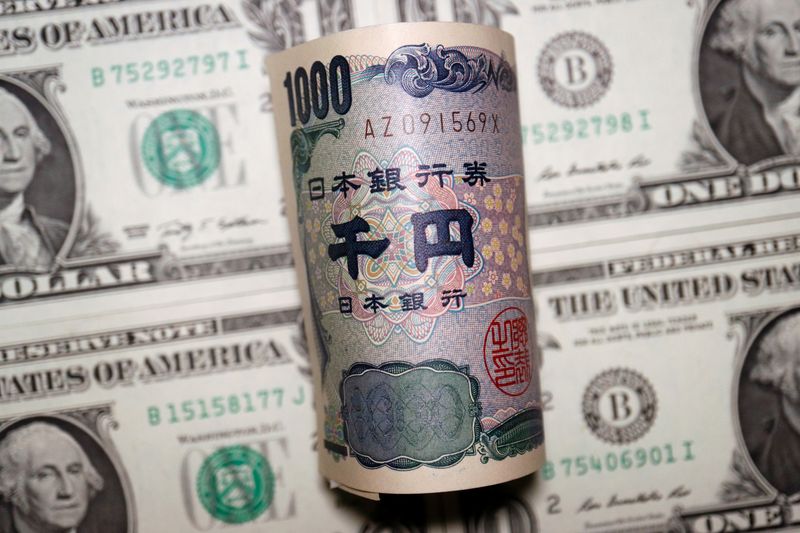
The Japanese yen recovered slightly against the dollar, with the USD/JPY exchange rate falling around 0.1%.
However, the currency pair remained close to levels not seen since 2024.
USD/JPY climbed as high as 160.80 yen on Wednesday. This exceeded the levels reached in late April, when Japanese authorities intervened to support their currency.
ING analysts suggested that officials may tolerate a further increase toward the 162 to 163 range before considering another round of intervention.
US and Iran Sign Interim Peace Agreement
The United States and Iran signed an interim peace deal that extends the existing ceasefire.
The agreement also creates a framework for negotiations toward a broader political settlement.
The development reduced concerns that a prolonged conflict could disrupt oil production and transportation across the Middle East.
Oil Prices Fall as Supply Fears Ease
Oil prices moved lower following the agreement as traders reduced expectations of major disruptions to regional energy supplies.
Lower energy prices may ease inflationary pressure in countries that depend heavily on imported oil.
This could provide some relief to consumers and central banks, particularly in Europe and Asia.
Dollar Could Remain Supported
Despite easing geopolitical tensions, analysts expect the dollar to remain supported in the near term.
The possibility of another Federal Reserve rate increase and expectations that monetary policy will remain restrictive could continue attracting investors toward U.S. assets.
The dollar’s direction will now depend on incoming inflation data, Treasury yields and further developments in the U.S.-Iran negotiations.