China Holds Lending Rates Steady for 11th Month
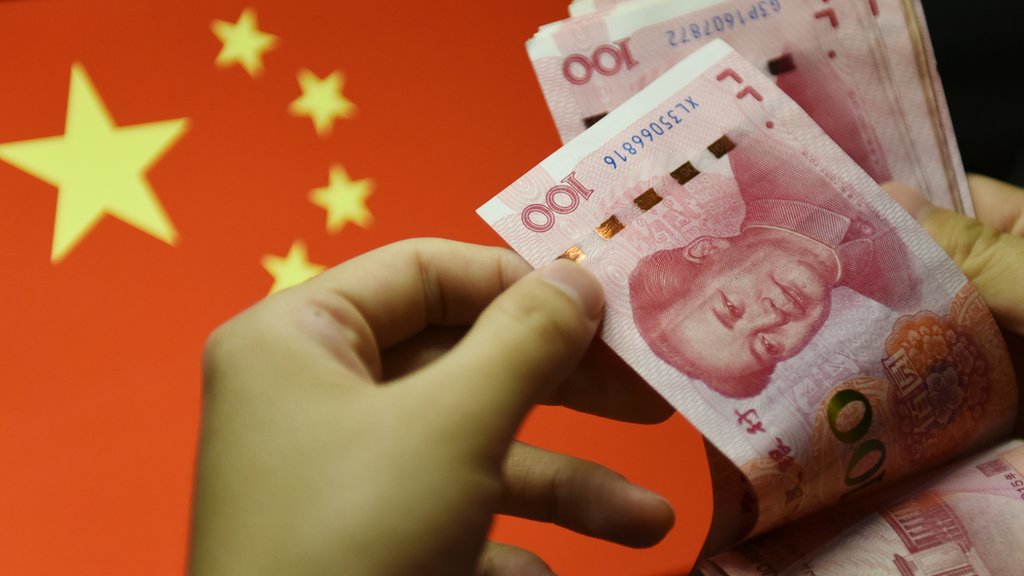
China kept its benchmark loan prime rates (LPRs) unchanged in April, marking the 11th consecutive month without any adjustment, a move that aligned closely with market expectations.
Why This Matters for the Economy
Strong economic momentum at the beginning of the year, combined with a gradual rise in inflation, has reduced the urgency for additional monetary easing. Policymakers appear comfortable maintaining current conditions rather than introducing new stimulus measures to support growth.
Key Lending Rates Remain Unchanged
The one-year LPR was held at 3.00%, while the five-year LPR remained at 3.50%, reflecting a steady monetary policy stance.
A recent Reuters survey of 20 market participants showed unanimous expectations that both rates would remain unchanged, reinforcing the predictability of the decision.
Economic Context: Growth and Inflation Trends
China’s economy expanded by 5.0% year-on-year in the first quarter, placing it at the upper end of its full-year growth target range of 4.5% to 5.0%. This highlights a level of resilience that distinguishes China from many other Asian economies.
This stability has been supported by factors such as strong strategic oil reserves and a diversified energy mix.
At the same time, factory-gate prices increased in March for the first time in over three years, signaling early inflationary pressures. Rising global tensions, including the conflict in Iran, are beginning to push input costs higher for the world’s second-largest economy.
What Analysts Are Saying
According to DBS, the absence of a sharp economic slowdown and still-weak credit demand suggest that policymakers will likely continue with targeted easing measures rather than broad rate cuts.
Societe Generale analysts noted that despite strong first-quarter growth, authorities are expected to avoid further easing during the late-April Politburo meeting, even amid geopolitical tensions in the Middle East.
They also indicated that if the conflict remains limited in duration, additional fiscal stimulus is unlikely in 2026. Instead, there may be room for just one potential interest rate cut by the People’s Bank of China (PBOC) toward the end of the year.