U.S. Military Seizes Iran-Linked Tanker as Tensions Escalate
The U.S. Department of Defense confirmed that American forces have seized another oil tanker linked to Iran, signaling a further escalation in tensions between Washington and Tehran. The move comes despite Donald Trump extending a temporary ceasefire earlier this week.
Video footage released by the Pentagon appeared to show U.S. troops boarding the vessel in the Indian Ocean as part of ongoing maritime enforcement operations.
Maritime Operations Intensify in Strategic Waters
U.S. officials stated that naval forces will continue to target vessels suspected of supporting Iranian networks. These actions are part of broader efforts to disrupt maritime activity linked to Tehran.
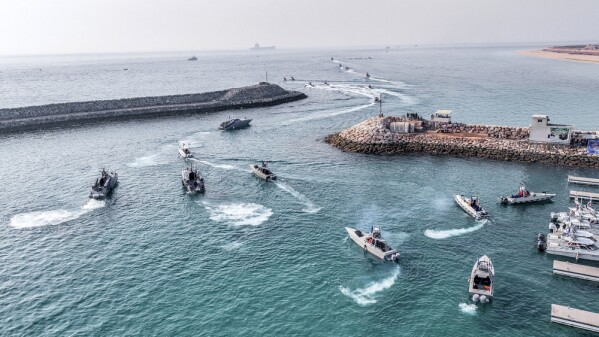
At the same time, Iran has showcased its own military presence in the Strait of Hormuz, releasing footage of its forces boarding a large cargo ship in the region.
Iran Responds with Ship Seizures
Iranian forces recently targeted three vessels in the Strait of Hormuz, seizing two of them. Officials in Tehran described the actions as retaliation for ongoing U.S. restrictions on Iranian ports and the earlier seizure of an Iranian-flagged ship.
The Strait of Hormuz remains a critical global shipping route, handling roughly 20% of the world’s oil supply, making any disruption highly significant for energy markets.
Ceasefire Extended but Fragile
Earlier this week, Trump announced that a two-week ceasefire with Iran had been extended shortly before its expiration. The extension reportedly came at the request of Pakistan, which has been acting as a mediator between the two sides.
The ceasefire is expected to remain in place until Iran presents a unified proposal for peace. However, both nations have indicated readiness to resume hostilities if negotiations fail.
Rising Risks of Military Escalation
Trump also issued a strong warning, stating that the U.S. Navy has been ordered to respond decisively to any threats in the Strait of Hormuz, including targeting vessels suspected of deploying mines. He added that mine-clearing operations are being intensified in the region.
Despite the ceasefire, the situation remains highly volatile, with both sides maintaining a firm stance on key demands.
Diplomatic Efforts Continue Amid Deadlock
Mediators from Pakistan, Turkey, and Egypt are working to revive peace talks, with discussions potentially scheduled in the coming days.
While communication between Washington and Tehran continues through intermediaries, progress has been limited. Iran has reiterated that it will not engage in negotiations unless U.S. restrictions are lifted.
Oil Prices Surge on Supply Disruption Fears
Renewed concerns over supply disruptions have pushed oil prices back above $100 per barrel. Brent crude was last trading around $103.70, reflecting fears over restricted shipping through the Strait of Hormuz.
Although prices have eased from earlier peaks following the outbreak of conflict, they remain elevated compared to pre-war levels, raising concerns about inflation and global economic growth.
Global Response to Shipping Crisis
Military representatives from more than 30 countries are meeting in London to address the ongoing crisis and explore ways to restore safe passage through the Strait of Hormuz.
The disruption has significantly reduced tanker traffic through the narrow passage, further intensifying pressure on global energy markets.