Three Ships Attacked Near Strait of Hormuz Amid Ongoing Tensions
Three vessels were attacked near the Strait of Hormuz on Wednesday, raising fresh concerns about escalating tensions in the region. The incidents occurred despite Donald Trump announcing an indefinite extension of the ceasefire with Iran while maintaining a U.S. naval blockade.
Reports of Vessel Seizures by Iranian Forces
According to Iranian state media, the Islamic Revolutionary Guards Corps (IRGC) targeted a ship in the strait, leaving it stranded along Iran’s coastline. Additional reports from U.K. maritime authorities confirmed that multiple vessels were attacked in quick succession.
Iranian sources claimed that two ships, the MSC Francesca and Epaminondas, were seized for allegedly operating without proper authorization. These developments have intensified concerns over maritime security in one of the world’s most critical shipping routes.
Strait of Hormuz Remains Largely Closed
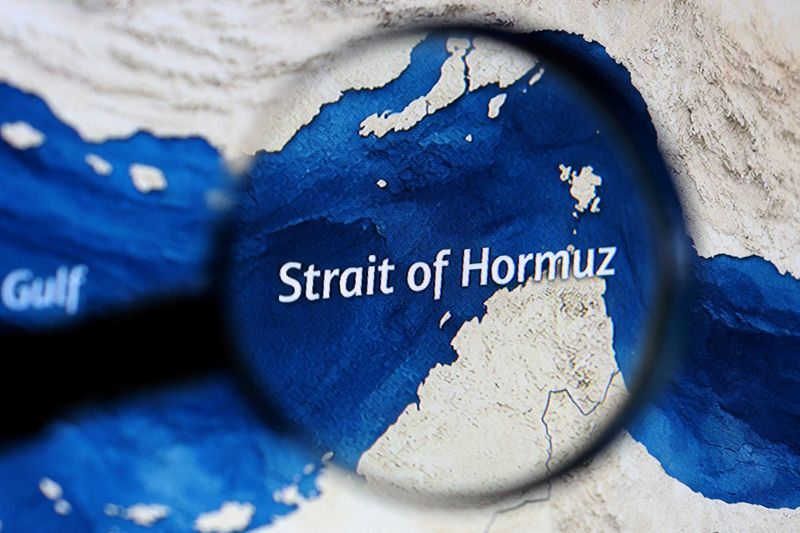
Shipping activity through the Strait of Hormuz has been severely disrupted since the outbreak of the conflict. The narrow waterway, located off Iran’s southern coast, carries approximately 20% of global oil supply, making it a vital artery for international energy markets.
The continued disruption has limited tanker movement and contributed to rising uncertainty in global trade and energy supply.
U.S. Blockade Adds to Geopolitical Pressure
Trump reaffirmed that the U.S. blockade of Iranian ports and coastlines will remain in place. Iranian officials have described the move as an “act of war,” while Trump argued that Iran is facing severe financial strain and must reopen the strait to stabilize its economy.
Oil Prices Surge Above $100
The renewed tensions pushed oil prices higher, with Brent crude rising above $100 per barrel. Prices remain significantly elevated compared to pre-conflict levels, fueling concerns about inflation and potential impacts on global economic growth.
Higher energy costs could also influence central bank decisions, as policymakers weigh the risk of inflation against economic stability.
Ceasefire Extension Leaves Uncertainty
Trump announced the ceasefire extension following mediation efforts by Pakistan, stating that military action would remain paused until Iran presents a unified proposal for peace.
Iran acknowledged the extension, but uncertainty continues to surround future negotiations. Planned diplomatic talks have faced delays, including the postponement of a visit by U.S. Vice President JD Vance to Pakistan.
Diplomatic Efforts Continue
Despite setbacks, Pakistan remains engaged in efforts to facilitate further negotiations between the U.S. and Iran. Additional talks may still take place in the coming days, although no formal agreement has been reached.
Meanwhile, international leaders including Keir Starmer and Emmanuel Macron are coordinating with global partners to improve maritime security and explore measures to reopen the Strait of Hormuz.